‘We’re going as fast as we can.’ How Atwater is moving toward carcinogen-free water
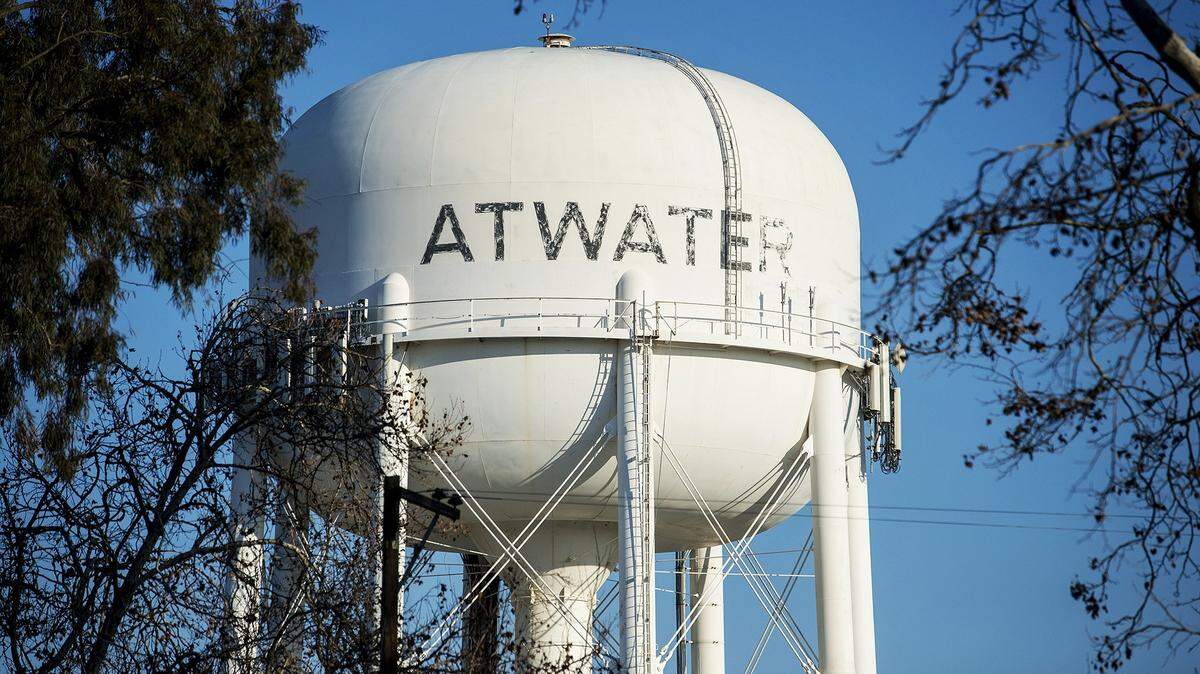
Amid coronavirus-caused slowdowns at cities across the nation, the City of Atwater has not forgotten an urgent public health issue predating the pandemic: the carcinogenic chemical, 1,2,3-Trichloropropane (TCP) contaminating the city’s wells.
Although the water is considered safe to drink, TCP quantities exceed state-approved maximum contaminant levels. This means some residents who drink the water over many years may develop an increased risk of cancer.
Atwater City Council on Monday approved next steps in a long series of ongoing efforts to restore the city’s water.
The most recent action approved a build contract for phase 1 services with Fresno-based construction company W.M. Lyles Co. and engineering services firm Provost and Pritchard Consulting Group.
The city aims to use the installation of wellhead treatment centers using granular activated carbon treatment to manage TCP levels. The method is considered the best available technology and most economic treatment solution, according to city documents.
The anticipated remediation timeline kicks off in summer of this year, with compliance projected in April 2021. Extra construction of walls, fences, driveways may continue into summer 2021. The contract is stipulated to not exceed $10 million.
In 2019, Atwater was awarded over $43 million in net settlement proceeds from oil giant Shell and Dow, a chemical company.
City Council in January unanimously passed a resolution to ensure the $43 million is safeguarded for the sole purpose of swift remediation. A supermajority vote by council is required to ever repeal or modify the protected use of the settlement proceeds.
”We held our ground, we fought and we got the people what they need,” Atwater Mayor Paul Creighton said Monday night.
Shell Oil allegedly marketed a nematicide — a chemical used to kill small worms — in the Valley for decades without disclosing that it contained TCP. The chemical was used on agricultural lands around Atwater throughout at least the 1950-70s, and made its way into several of the city’s wells.
City water rates will not go up due to the project, Creighton assured residents. The settlement proceeds are allocated to cover the cost.
Still, comprehensive TCP remediation projects are expected to be costly and require additional staffing, city officials have said. The council in January also unanimously supported procuring an investment advisor for the settlement funds, which will be invested to extend their value.
“Staff will optimize every penny, and every dollar,” Creighton said.