
Why did the name of a convicted cop killer surface in a recent Atwater homicide case?
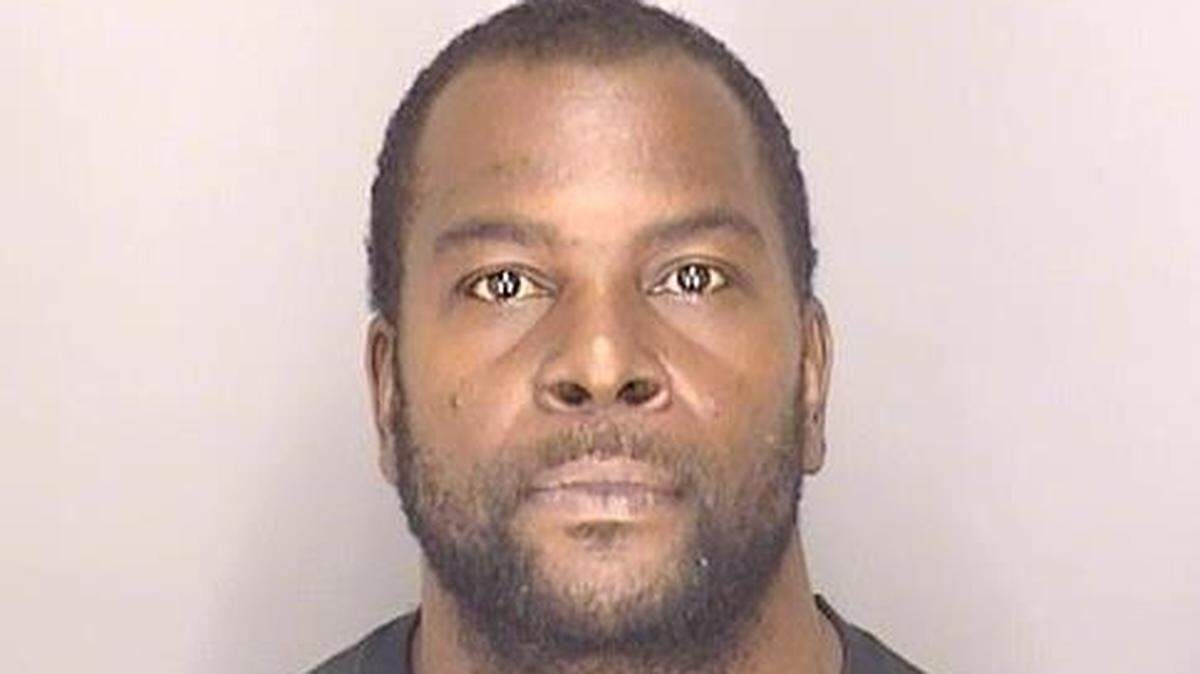
The investigation into the slaying earlier this month of a 40-year-old Atwater man included the possibility of ties to a convicted cop killer who remains on death row 14 years after the murder of Merced police officer, according to police reports.
Arthur “Ajay” Hudson Jr. was shot to death July 2 outside the stairway of an apartment on Kelso Street in Atwater. Tyrone Johnston has been charged with murder and witness intimidation in connection with Hudson’s death. Johnston has pleaded not guilty.
According to police reports filed in Merced County Superior Court, both men had ties to the same street gang as Cuitlahuac Tahua “Tao” Rivera, the man convicted of killing Merced police Officer Stephan Gray in April 2004.
Johnston was convicted in 2007 of helping Rivera evade a law enforcement manhunt in the weeks following the police officer’s death. Johnston eventually pleaded no contest to accessory charges and was sentenced to two years in prison.
Possible connections between Hudson’s slaying and the 2004 death of Officer Gray didn’t come up Monday during the preliminary hearing in Merced County Superior Court.
However, ties between the cases were detailed in reports filed by Atwater police detectives investigating Hudson’s death.
Reports from detectives detail a difficult investigation filled with conflicting accounts of the slaying, including statements that clashed with evidence at the scene.
Police were told that Johnston and Hudson had been feuding for years.
According to police reports, officers were told one of Hudson’s friends had been targeted by the gang, they believed under orders from Rivera in prison. Hudson had refused to turn his back on his friend and, police were told, became a target himself as a result, according to police reports.
But that picture conflicts with the few statements Johnston made to police.
Johnston told police he had no knowledge of the incident that led to Hudson’s death.
However, Johnston also told detectives that he’d been threatened by Hudson for several years prior to the slaying and that “a hit” had been put out on his own life. Johnston indicated he left the gang after getting out of prison several years earlier and said his exit “didn’t sit well with people.”
“Just because I don’t want to be a (gang member) no more, I have to die,” Johnston told investigators. Johnston, in the report, stopped short of saying he was at the scene when Hudson was killed but did say “some people tried to murder me.”
He did not provide police with details of the incident. Reports from detectives described Johnston as uncooperative and occasionally confrontational during his initial interview with investigators.
“So I’m sorry for whatever transpired ... I don’t know nothing at this point but what I’m telling you for sure is you got a little bit more investigating to do before this case is just closed with simple murder,” Johnston said in the report.
Investigators also dealt with conflicting statements from witnesses.
Detectives initially were told both Hudson and Johnston fired shots at each other, but investigators said they hadn’t found any evidence that Hudson opened fire at the scene.
On Monday, the court heard testimony from a witness who said only Johnston had a gun during the confrontation with the victim. According to the testimony on Monday, Johnston allegedly threatened a witness’ family, causing the witness to initially tell investigators both men were armed before changing the statement.
Johnston was ordered to stand trial in connection with Hudson’s death following Monday’s hearing.
Merced County Judge Carol Ash on Monday also approved a request from prosecutors for an order preventing Johnston from accessing key pieces of evidence including police reports and audio and video recordings.
Merced County Supervising Deputy District Attorney Nicole Silveira said blocking the defendant’s access to some specific pieces of evidence was necessary to ensure the safety of witnesses in the case.
Johnston’s court-appointed attorney, Douglas Foster, argued the order violated Johnston’s constitutional rights to see the evidence against him.
Foster said he plans to appeal the ruling to a higher court.
“We think that it’s unfair to tell defendants that they can’t have their own copy of the evidence against them,” Foster said.
Silveira said the order isn’t intended to impede Johnston’s rights.
“The laws we cited do state that the judge has the power to regulate discovery when good cause is shown,” Silveira said. “And the judge felt that good cause was shown in this case.”
Johnston is expected to appear in court again Aug. 10. He remains in custody at the Merced County Jail.