Merced College opens new virtual reality learning lab this fall. Take a peek inside
Merced College students will be transported to the White House, an intergalactic zoo and all over the globe using virtual reality tools with the launch of the new Dreamscape Learn Lab on campus.
Developed in partnership with Dreamscape Learn and in collaboration with Arizona State University, it’s the first immersive virtual reality learning facility of its kind at a California community college.
Virtual reality modules will be used to supplement curriculum for students enrolled in biology classes this fall semester, which begins on Monday, Aug. 12.
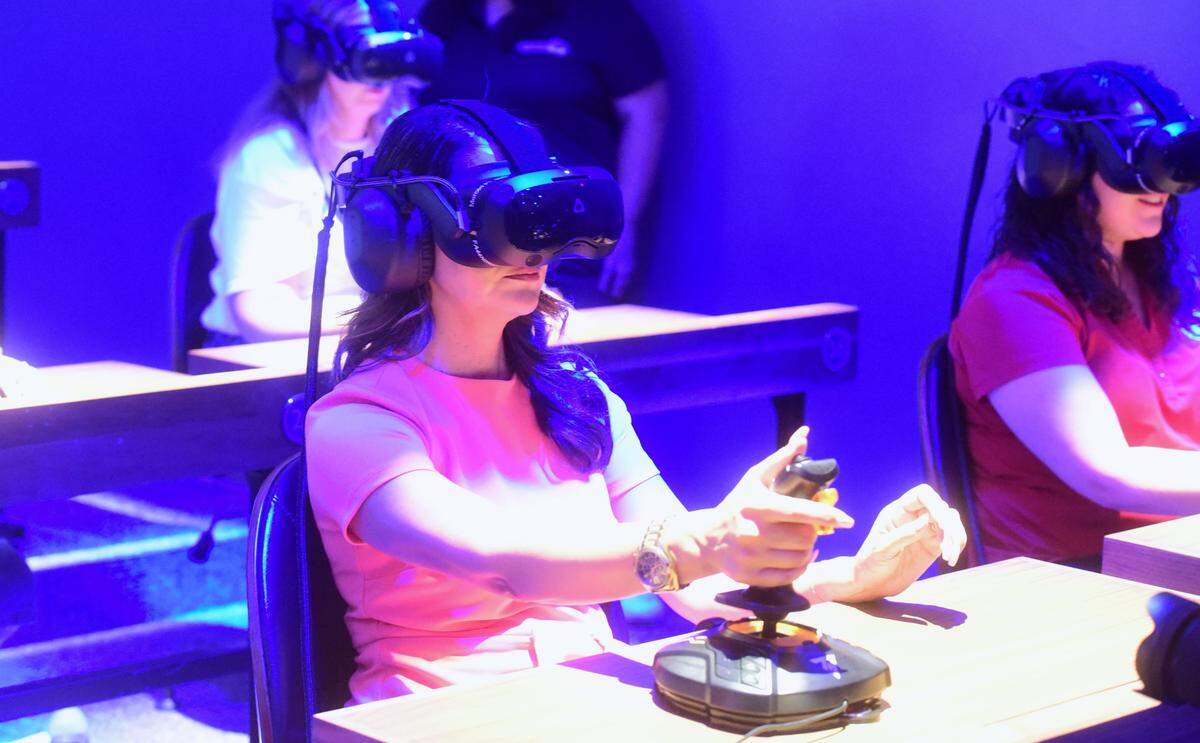
“The real showcase today is you walking through this amazing space that’s going to be transformational in how we teach and how our students learn,” Merced College president Chris Vitelli said during a ribbon-cutting ceremony for the new lab on Friday.
Through the virtual reality labs, science professors will be able bring coursework to life through cinematic, immersive learning experiences.
Close to 200 Merced College biology students will be able to pilot the program this fall.
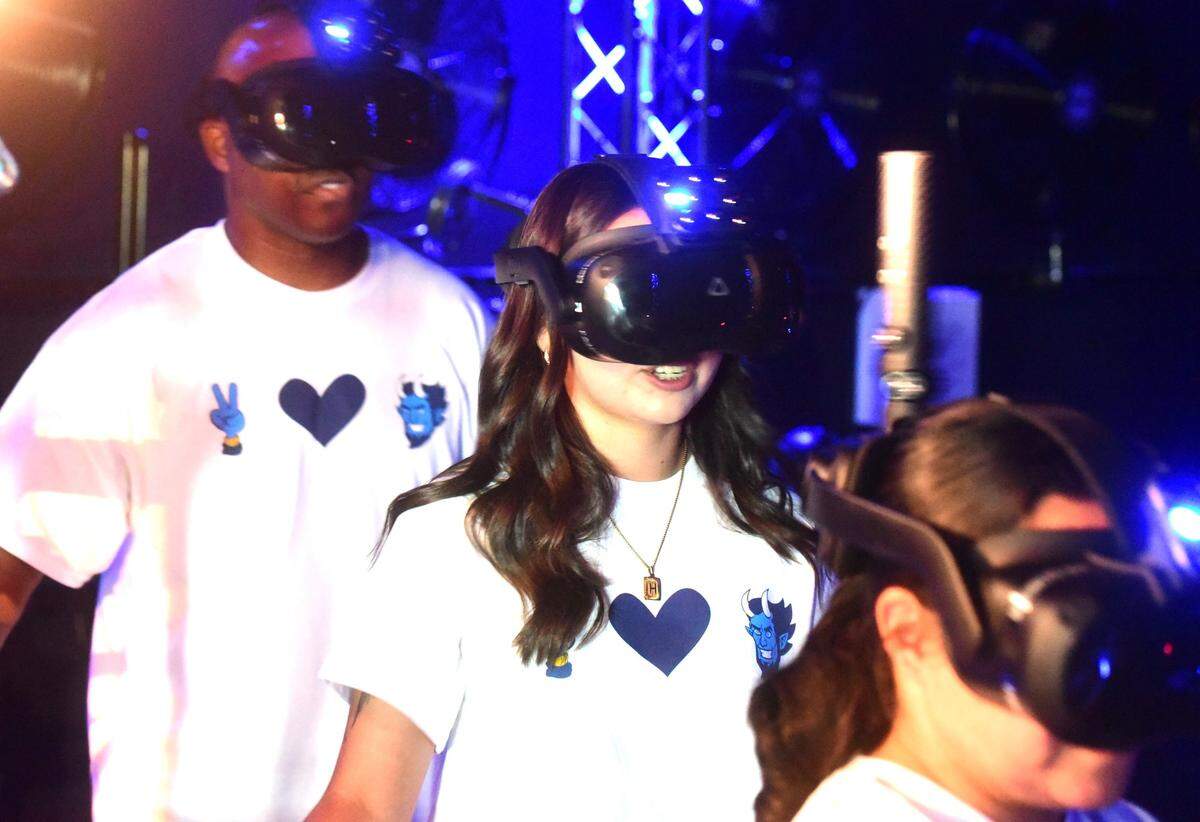
Community members were able to demo the VR-labs on Friday. They strapped on virtual reality headsets and goggles to experience a module where they were transported into the future to an alien zoo where they helped to diagnose why a dinosaur-like creature was ill.
During the module, they took the creature’s temperature, supplied fluids through an IV and observed how the creature responded to treatments.
“We deliver these experiences using advanced virtual reality and haptic technology so the students feel like they’re actually living them, not just watching them,” said Chris Huff, senior vice president Academic Partnerships for Dreamscape Learn. “So it’s really a combination of pedagogy, the emotional storytelling and the VR together that creates this unique experience.”
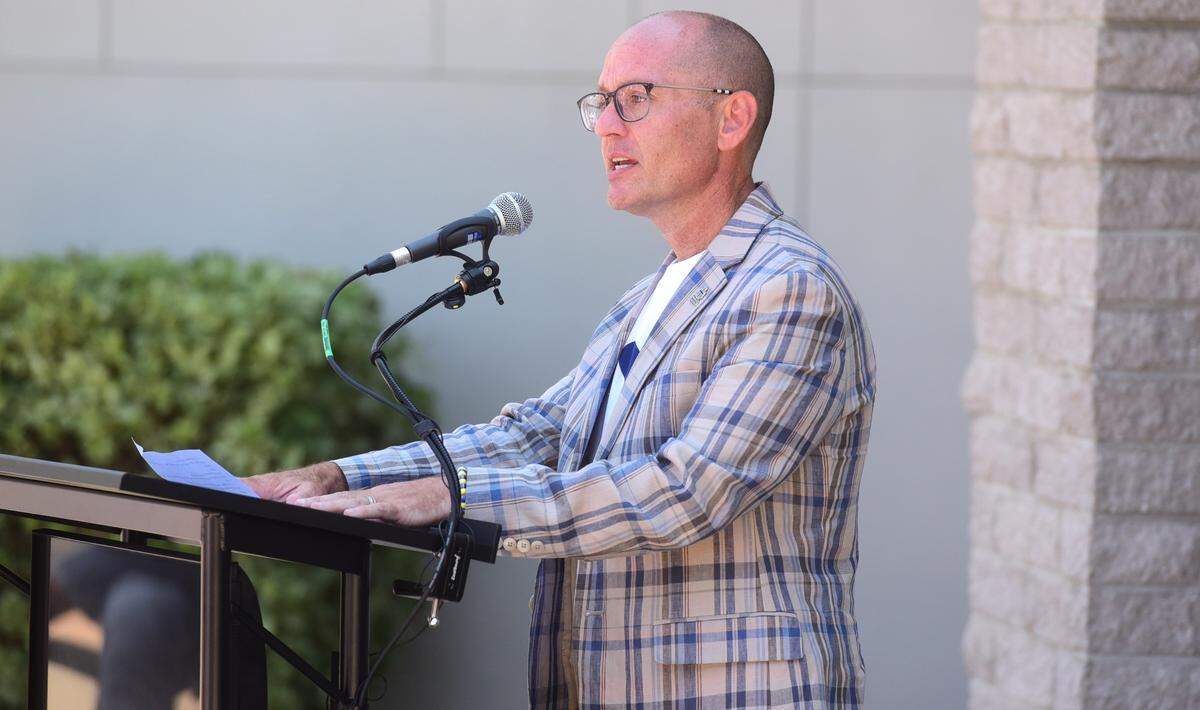
Huff says the goal is to promote engagement with students so they form a strong emotional connection with the content material which can motivate them to put in the hard work to master complex topics.
Virtual reality also can take students to places where they otherwise couldn’t go. They can be transported to the moon, the bottom of the ocean or inside a human cell. Students can also go back in time or travel to the future.
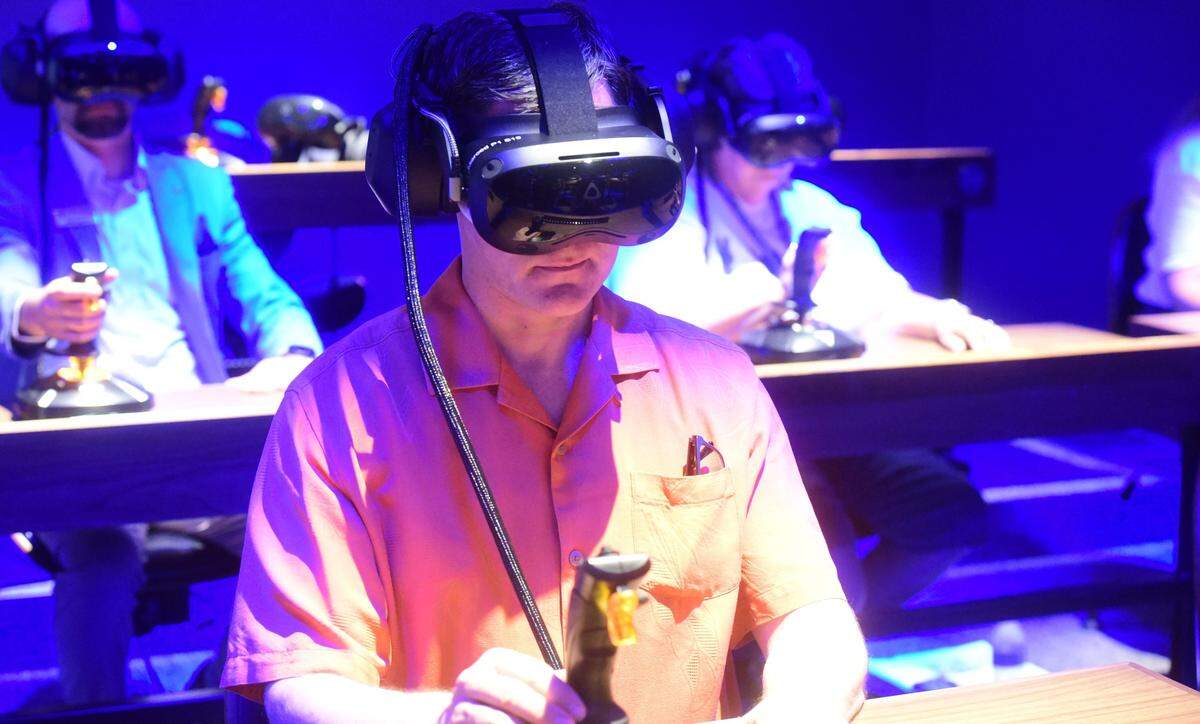
“What we’re doing is rethinking the idea of what the school is,” Huff said. “Instead of the school being the destination where you go to get the knowledge, in many ways, it’s becoming the departure point where we can take students anywhere to advance their education.”
Vitelli called the new learning tool an equity effort and an access effort. He said while many students have had an opportunity to travel to Yosemite National Park, to California zoos and museums, many students haven’t had those same opportunities.
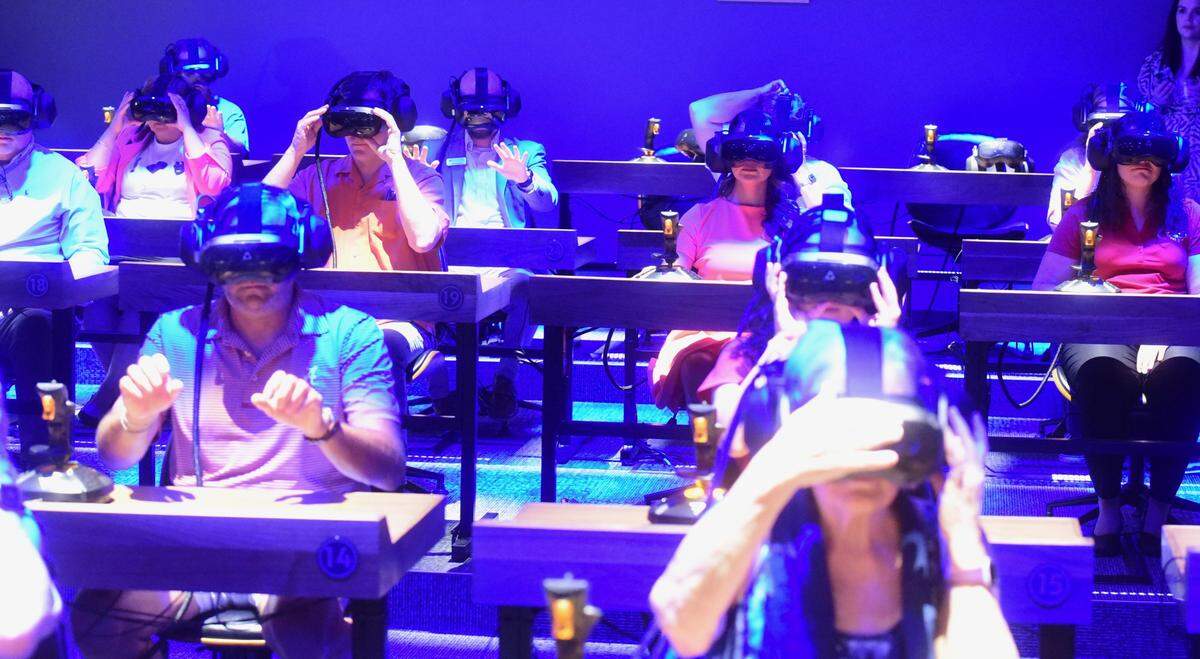
“What we can do with the technology that you’re going to see, is we can bring the world to them, and that’s what makes this technology so powerful,” Vitelli said.“
John VandenBrooks, the Arizona State University Associate Dean of Immersive Learning, teamed up with a team at Dreamscape to write the experiences, including the scripts and developing the stories and narratives, for the modules that were then passed off to the virtual reality development team.
VandenBrooks then helped write the curriculum that goes with the VR modules.
“It’s all a cohesive experience,” VandenBrooks said.
Since Dreamscape Learn’s inception in 2022, more than 20,000 students at Arizona State have engaged with the introductory biology laboratory course. Research from Arizona State found students demonstrated improvements in student performance in biology courses enhanced with VR technology.
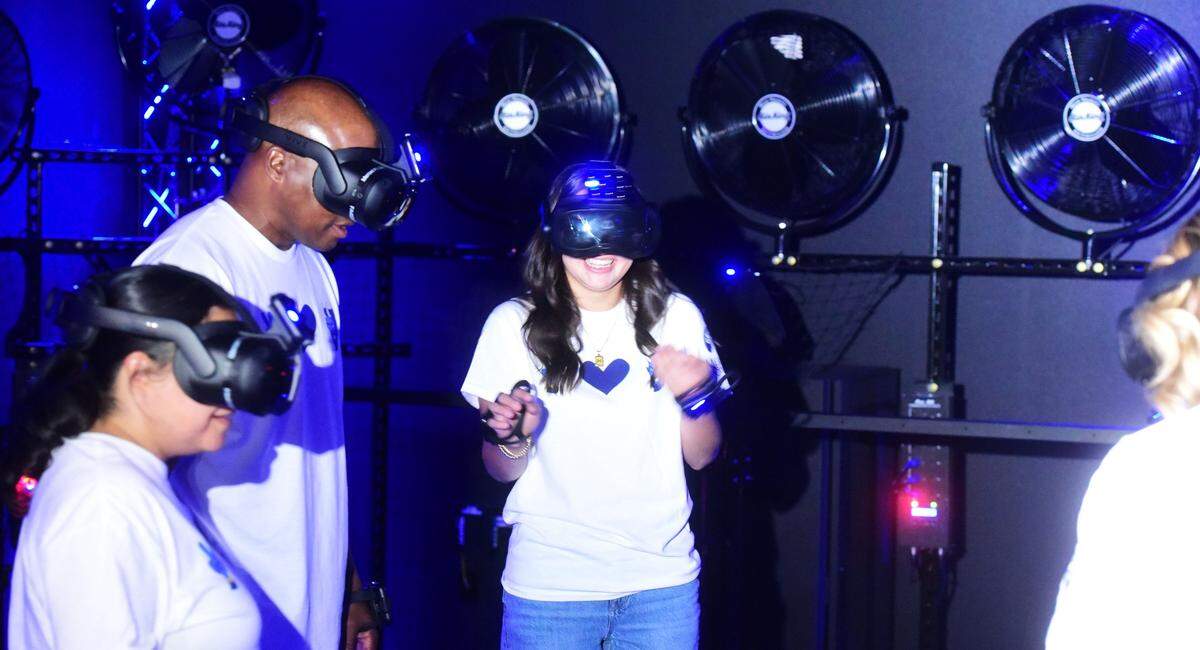
While the Dreamscape Learn classroom focuses on the educational aspect, the free-roam pod experience is more entertainment. The community members who tried out the free-roam pod on Friday got to experience an Indiana Jones-like adventure as they made their way through spider-web infested tunnels filled with booby traps to capture a giant pearl.
“Studies have shown that student learning is substantially increased through the use of the Dreamscape Learn VR platform,” said Garrick Grace, Merced College Dean of Innovation. “Unfamiliar concepts become more clear, and lessons from the classroom are understood in greater depth after students have experienced and explored them in the virtual environment.”
Virtual reality course offerings for chemistry and art history will be added as curriculum in the near future.
“I’m so happy today for Merced College,” Vitelli said. “We are laser focused on being the most innovative community college in the country and it’s projects like this, that is going to help us do that.”
This story was originally published August 10, 2024 at 2:18 PM.