California newborns and Merced County students have money waiting for them
Over 58,000 children in Merced County have funds in accounts for post secondary education with their names on them. It’s part of a $2 billion dollar investment by the state of California to start funding secondary education early.
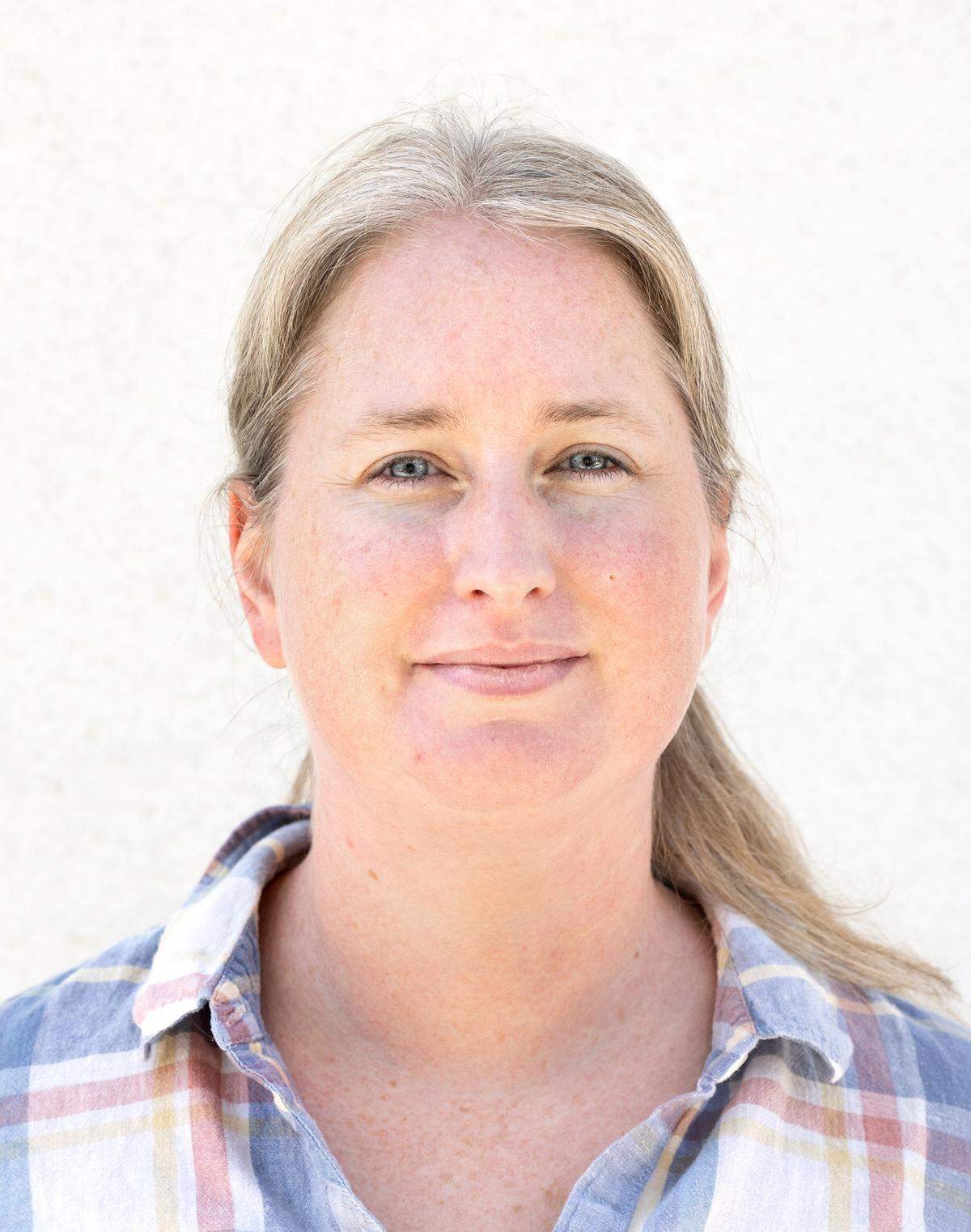
“It’s the easiest scholarship they’ll ever get,” said CalKIDS Executive Director Cassandra DiBenedetto. “There’s no application or anything like that. You are just identified as eligible, and it’s gifted to you.”
Students are eligible if they attended a California public school in grades 1st-12th starting the 2021-22 school year. And if they were identified as low-income students on the Fall Census Day (the first Wednesday in October) for that academic year.
“We are really trying to impress upon parents to make sure that they turn in their Census Day cards to their schools and make sure they fill up that paperwork, because that is how students are being identified,” DiBenedetto said.
Up to $1,500 is available per student. All income-qualified students receive $500, another $500 for students experiencing homelessness and another $500 for foster youth.
“Having a CalKIDS Account has meant not having to worry too much about paying for my education or going into financial debt,” shared Itzel Salas Aguilar, a CalKIDS recipient and student at California State University, Stanislaus.
According to CalKIDS, 71% of public school students in the county are eligible for the free savings account. Students can access the funds at age 17 using their student ID number.
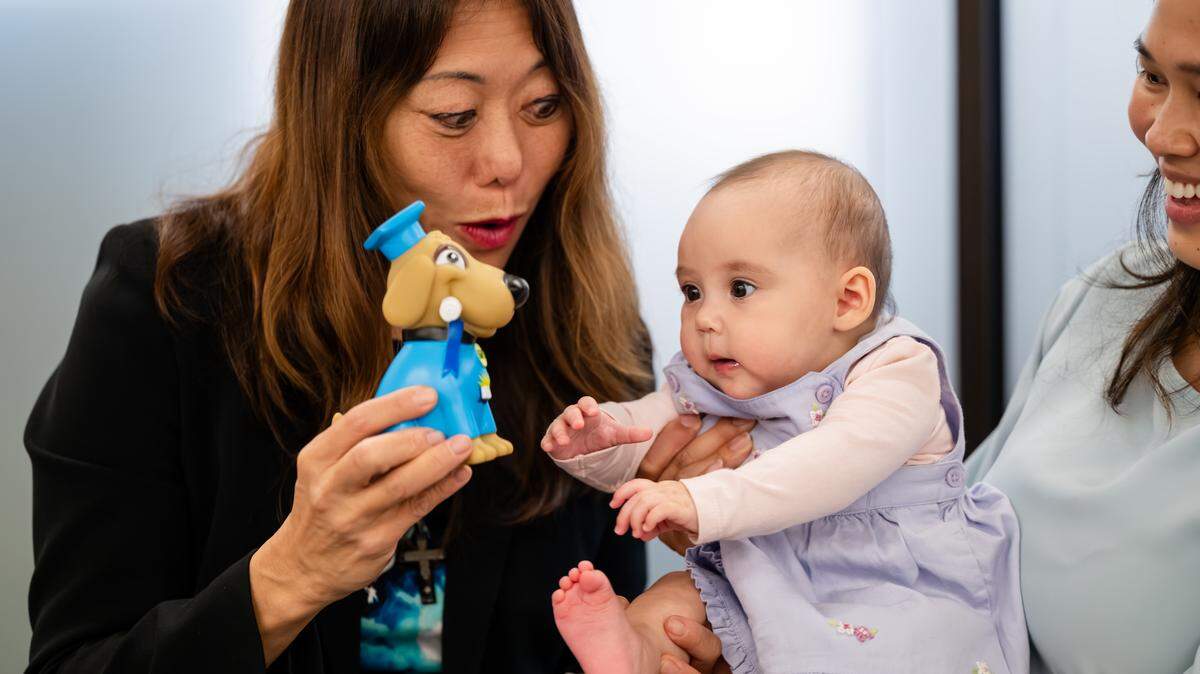
All babies born in California after July 1, 2022 also have money in accounts that can be used to help fund their post secondary education later in life.
“The Cal Kids program is the largest program for early wealth building for children,” DiBenedetto said. “It’s an education account. Essentially, it’s your baby’s first scholarship.”
The funds don’t have to be used exclusively for four-year degree programs, they can also be used to fund community college, trade schools and even professional apprenticeships. And the funds do not have to be used locally or even in-state.
The program, which started in 2022, has already had a moderate to large impact on students’ decision to pursue secondary education, according to an initial report from UCLA.
“It’s really to have students identify themselves early on as college-goers and to let them know that the state has invested in their post secondary education,” DiBenedetto said.
Not only are the accounts already set up, they accrue interest over time.
“They can use that portal to watch their accounts grow over time, and then once they hit 17 and they enter into post-secondary education, they’re able to access that account and have the money sent directly to the institution of learning that they’re attending.”
For newborns and children, parents can review their child’s account by entering their 13-digit local registration number found on their birth certificate. For students, parents need their child’s Statewide Student Identifier (SSID) usually found on a student’s school portal, transcript or report card.
“We want to make sure we let every family know that there’s opportunity out here for them and that they can pick it up,” DiBenedetto said.