
Cancer learns to resist treatment, UC Merced team finds. It's not all bad news
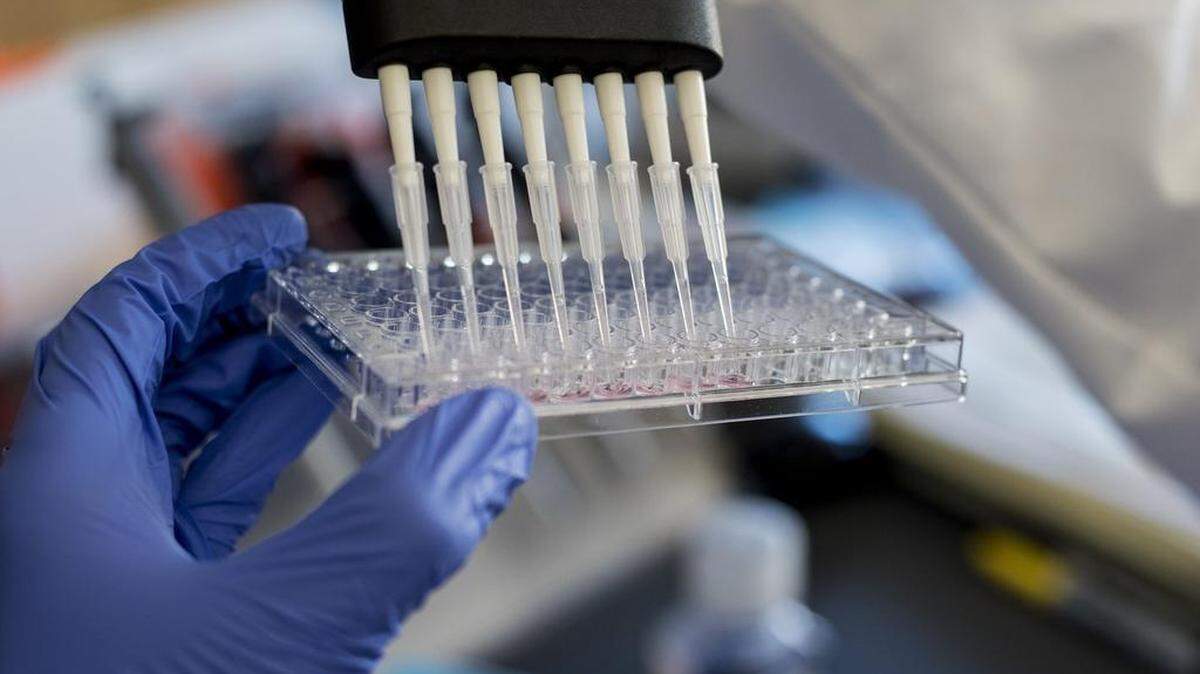
A UC Merced professor and his team have discovered that cancers like melanoma adapt to treatment, making them even harder to fight. But, he says, there is hope.
Professor Fabian Filipp's research was published last week in in BMC Systems Biology, a peer-reviewed journal. Later this month, Filipp said, it will appear in "Scientific American," the oldest continuously published magazine in the U.S. and the leading authoritative publication for science in the general media, according to the magazine.
The research compared genetic and metabolic pathways in melanomas, a form of skin cancer, that respond well to treatment and those who are resistant, according to Filipp. Though not the most common form of skin cancer, it is considered the most aggressive, according to researchers. If not caught and treated early, melanoma is among the deadliest.
“Today, many patients respond to cancer treatment very positively at first," he said. "However, unfortunately, many ultimately develop resistance and metastasis.”
When a cancer spreads, doctors say it's in "metastasis."
Knowing that cancer will adapt to treatment, Filipp said, doctors can better design specific treatments patient by patient.
“In precision medicine, molecular insights guide our therapy decisions. Drugs (can be) designed to match distinct cancer mutations like a key into a lock," he said. "Some cancers that initially respond to targeted chemotherapy become treatment-resistant – and the drug itself may not be the culprit.”
Unlike evolving bacteria that become resistant to antibiotics, Filipp said, the cancer isn't evolving but rather learning to "outsmart the drugs" by changing its activity.
The professor worked with an interdisciplinary "cancer research cluster," according to researchers. The interdisciplinary approach to cancer research could be a new path in tackling the disease, according to Paul Brown, director of the Health Sciences Research Institute at UC Merced.
“The research is an important contribution to the treatment, control and prevention of cancer,” Brown said.
As daunting as a "smart" cancer may sound, the findings offer new hope to scientists and clinicians who want to treat chemo-resistant cancers, Filipp said.
“After this study, we now understand how some cancer drugs become ineffective,” he said. “This suggests new ways of approaching therapy.”
This story was originally published April 9, 2018 at 4:25 PM with the headline "Cancer learns to resist treatment, UC Merced team finds. It's not all bad news."