Bipartisan ‘Free Britney Act’ introduced in Congress. Here’s what it would do
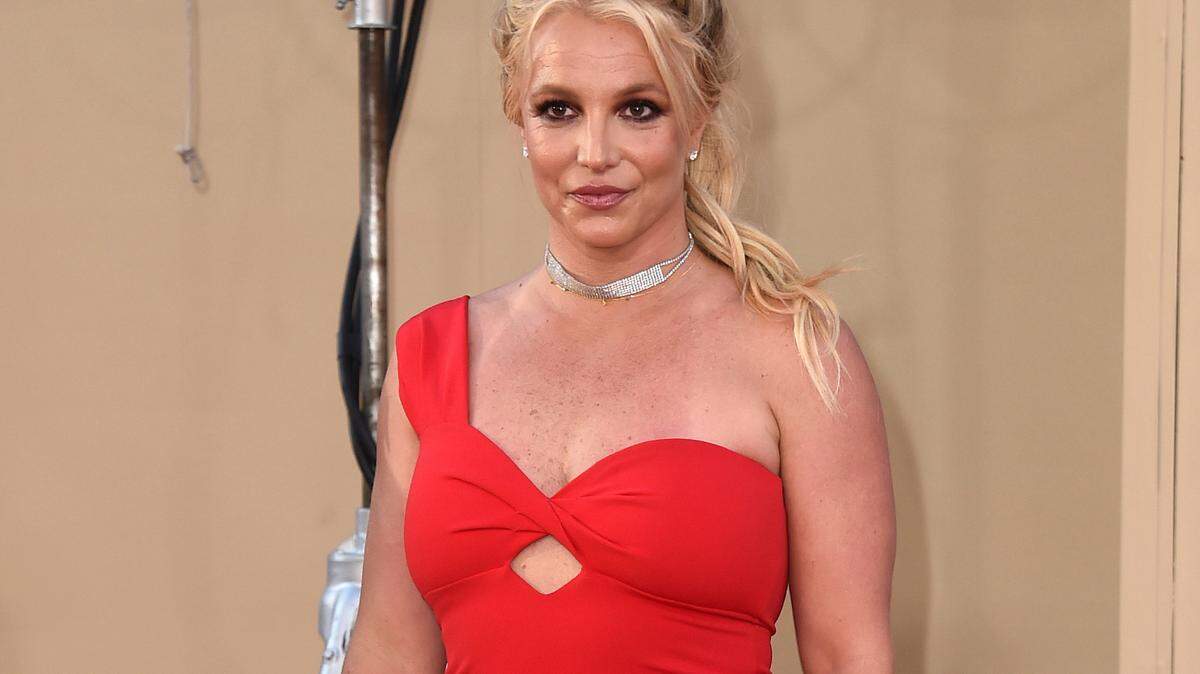
Two lawmakers on Tuesday introduced the “Free Britney Act,” which would protect people in conservatorships.
U.S. Reps. Charlie Crist, a Democrat from Florida, and Nancy Mace, a Republican from South Carolina announced the Freedom and Right to Emancipate from Exploitation, or FREE, Act. If signed into law, the legislation would establish federal safeguards for people under conservatorships.
The bill comes as singer Britney Spears’ 13-year conservatorship remains in the spotlight during her legal efforts to end it.
A conservatorship is an arrangement in which a judge appoints a person or organization to manage the finances or daily life, or in some cases both, of a person who is deemed unable to care for themselves. Roughly 1.3 million Americans are under one, according to a new release from Mace.
“Abusive conservatorships can be an unending nightmare, and tragically we don’t know how many people are being held captive against their will under the broken guardianship system,” Crist said in a statement. “We do know, however, that we need federal safeguards to protect persons under guardianship from abuse and exploitation.”
What would the “Free Britney Act” do?
The bill would establish a “four-pronged approach” to protect Americans who are in conservatorships from “abuse and exploitation,” according to a news release about the legislation.
- It would give those in conservatorships the right to petition the court to replace their private conservator with a public conservator without “needing to prove misconduct or abuse.”
- The bill would assign an independent caseworker to anyone under a conservatorship. That worker would be in charge of watching for signs of abuse and making sure the person under the arrangement is aware of their rights.
- All caseworkers and conservators would be required to disclose their finances to make sure there are no “financial conflicts of interest,” the news release says. “Private guardians are at risk for financial conflicts of interest, because a ward’s assets, which they usually control, are used to pay the guardian for their services,” a draft discussion of the bills says.
- States would be required to submit reports each year on “the state of guardianship and conservatorships” and they would be provided grants to “hire caseworkers and additional public guardians or conservators to meet the demands under the bill.”
Why was the bill introduced?
Britney Spears’ case has revealed a “darker side to a system meant to protect people,” Mace said in a statement.
Spears was placed under her conservatorship in 2008 after she struggled with her mental health and was hospitalized. But recently Spears ended her silence on her conservatorship and her efforts to get out of it.
In June, she spoke in court about her life under the arrangement, saying she has been forced to take prescription drugs she doesn’t want to take, forced to attend therapy sessions and been barred from getting married or having her IUD removed despite wanting to have another child.
She reiterated her request to end her conservatorship earlier this month, saying it’s “allowing my dad to ruin my life,” NPR reported. Her father has said he wants her accusations of abuse investigated and that he hasn’t been in contact with her or in charge of her personal care for years, The New York Times reports.
Her June court appearance sparked protests across on the country on her behalf, including some organized by the #FreeBritney movement, and has led multiple celebrities and politicians to speak out against her situation.
It’s also highlighted what the American Civil Liberties Union called a “disability rights crisis.”
“Spears’ experience is part of a long history of people with disabilities — most often people of color — being robbed of the right to control their reproductive destinies,” the ACLU said.
The organization said Spears’ platform has allowed her demands to be heard but that there are “untold thousands of people living under this same type of restrictive structure.”
Crist said the FREE Act would “free Britney along with the countless number of seniors and persons with disabilities being abused and exploited by the broken system.”
“Britney Spears conservatorship is a nightmare,” Mace said. “If it can happen to her, it can happen to anyone.”
Rick Black — Director of the Center for Estate Administration Reform, or CEAR — said in a statement that the organization is “encouraged by the changes” the bill would bring.
“Most victims lack her voice and too many vulnerable adults, seniors and the developmentally disabled, are being abused by the predatory legal community who routinely leverage the dysfunction of our nation’s equity court to exploit the vulnerable,” Black said. “These county courts must have oversight and we are encouraged with what the future may hold if the FREE Act becomes law.”
This story was originally published July 20, 2021 at 11:35 AM with the headline "Bipartisan ‘Free Britney Act’ introduced in Congress. Here’s what it would do."