Salmonella outbreak lasted for 11 years at Michigan eatery. CDC report explains how
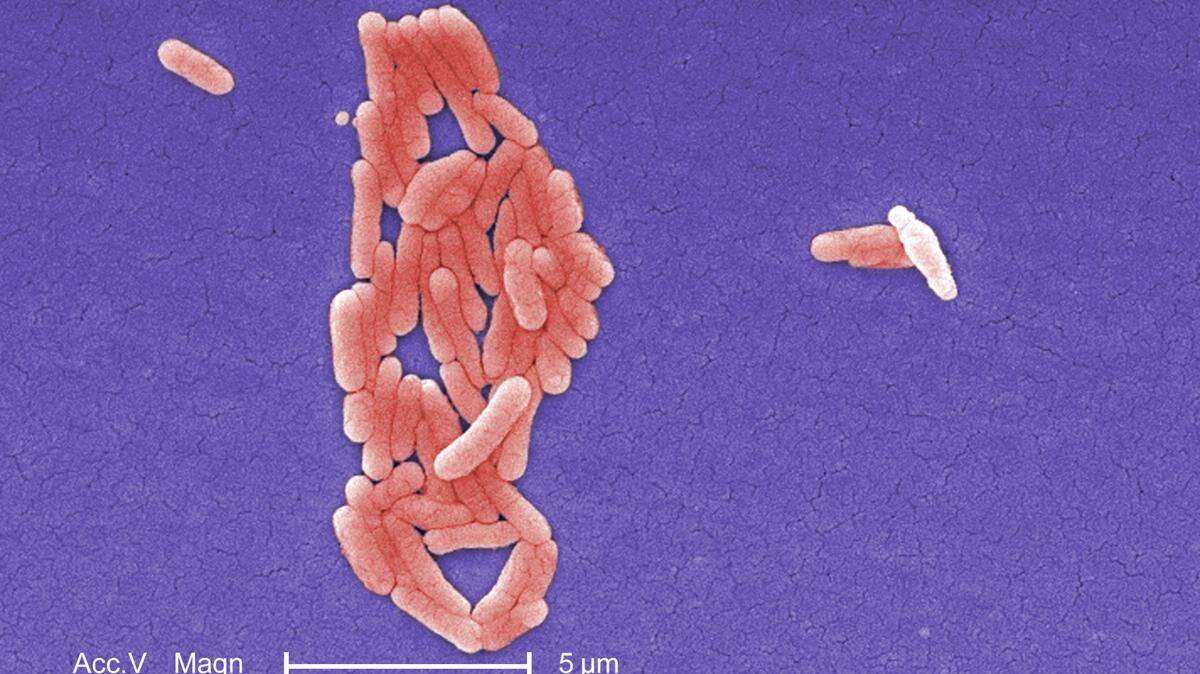
For nearly 11 years, salmonella lurked on kitchen dishes, storage containers and bathrooms of a southwest Michigan restaurant, secretly — at first — infecting employees and hungry customers.
Even after public health officials determined the eatery was a cesspool for the bacterium, employees and visitors continued to come down with diarrhea. The restaurant underwent two temporary closures to renovate its floors, kitchens, walls and major equipment to eradicate the intruder, but still, people got sick.
The restaurant, which was not named in the report, eventually closed for good in 2018 after a decade-long outbreak that infected 36 people and hospitalized six. The sporadic event certainly was not the most infectious or deadly, but it may have been one of the longest.
But why did the outbreak go on for that long?
A Centers for Disease Control and Prevention report published Thursday says the investigation initially focused on items of food rather than sources of food, such as restaurants, and only via questionnaires people answered. Not to mention it was difficult to record food history among sick people given cases occurred sporadically over years.
But the investigation’s biggest downfall, the CDC suggests, was the failure to check for salmonella cases that weren’t producing any symptoms, also known as asymptomatic infections.
In 2018 when the intensive investigation began, health officials collected stool samples from 100 employees working in the restaurant. None of them reported symptoms at the time of collection or in the weeks before, yet four of them tested positive for salmonella. Additional tests found more infections throughout the outbreak’s entirety.
Of 80 swabs of the kitchen and bathrooms, about 50% of them contained the bacteria.
The CDC said the outbreak highlights the importance of keeping restaurants clean and maintaining hygienic policies.
“Whereas initially small numbers of cases might present a challenge to definitively implicating a common source, gathering as much high quality exposure data as possible, including repeated interviewing of patients with cases that are clustered in time using closed-ended questions about exposures of interest, can aid an investigation,” the CDC said in the report. “In addition, conducting environmental assessments, environmental sampling, and employee testing for Salmonella are best practices that should be considered early in an investigation, particularly when a single foodborne vehicle is not apparent.”
What to know about salmonella
Salmonella outbreaks in the food industry typically occur when people are served undercooked or contaminated food, such as eggs, meat, poultry and milk. There are more than 2,500 identified types of salmonella, but only a small number of them can make people sick.
Americans who travel to Africa, Latin America, the Caribbean and Asia have the largest risk of consuming the bacteria.
The bacteria is known to be “hardy,” with the ability to survive several weeks in dry environments and several months in water, according to the World Health Organization.
Symptoms of a salmonella infection are usually fever, abdominal pain, diarrhea, nausea and vomiting, beginning anywhere between six to 72 hours after ingestion and lasting two to seven days.
Most people will make a speedy recovery without treatment, but children and older adults can become dangerously dehydrated and require medical attention.
The CDC estimates that salmonella infects about 1.35 million Americans each year, while hospitalizing 26,500 and killing 420.
“Although large salmonella outbreaks usually attract media attention, 60–80% of all salmonellosis cases are not recognized as part of a known outbreak and are classified as sporadic cases, or are not diagnosed as such at all,” the WHO said.
This story was originally published August 19, 2021 at 10:02 AM with the headline "Salmonella outbreak lasted for 11 years at Michigan eatery. CDC report explains how."