
Are robocalls really ending? What to know about FCC crackdown that began this week
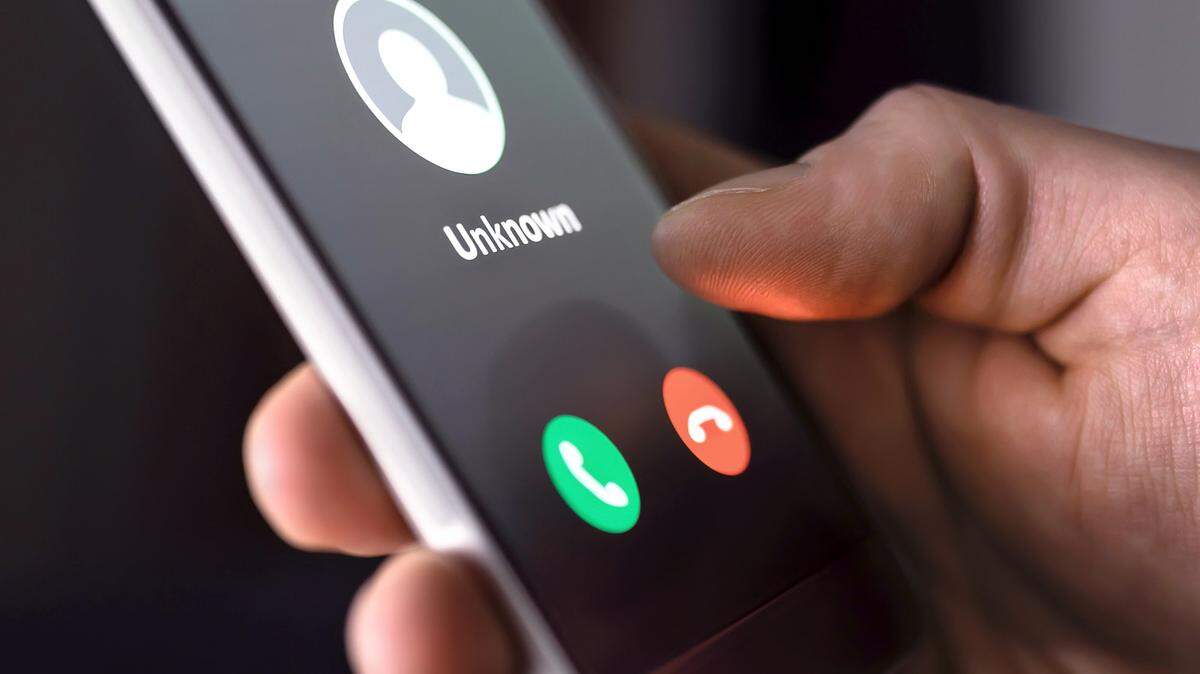
Are robocalls really coming to an end? Well, it’s complicated.
All U.S. phone providers are required to take steps to lessen robocalls starting Tuesday — or face a fine, according to the Federal Communications Commission.
Wireless companies had to come up with a plan on how they would stop spammers from calling customers as part of the Robocall Mitigation Database that launched in April.
By June 30, phone providers had to implement caller ID authentication standards through STIR/SHAKEN, a set of industry rules that verify if the call people receive is from the number displayed, the FCC said.
If the plan isn’t submitted by Tuesday, carriers have to stop accepting calls from providers not in the database altogether, the FCC said.
Of the 3,063 telecommunications providers who reported their plans, only 17% said they “completely implemented anti-robocall technology,” according to a report last week from the Public Interest Research Group Education Fund. Only 27% of phone providers “partially implemented the technology,” and 56% were “using their own methods to manage robocalls.”
“Here we are with more than 80 percent of phone companies not doing all they can to stop robocalls,” Teresa Murray, consumer watchdog for the foundation, said in a news release. “These unwanted calls terrorize all of us and victimize many of us.”
“As if the $10 billion a year in fraud losses from illegal robocalls isn’t bad enough, they cost us Americans another $3 billion a year in wasted time,” she added.
But there’s a catch.
Despite the Federal Communications Commission’s crackdown at home, U.S. law can’t be enforced overseas, which is where a lot of these robocalls originate, CNBC reported.
Americans “received nearly 4 billion robocalls per month in 2020, according to private analyses,” the FCC reported.
Robocallers also found clever ways to scam, including using “artificial intelligence or data to create targeted lists,” CNBC said.
These kinds of scams affected over 59 million people who lost $29.8 billion dollars between June 2020 and 2021, according to phone identification app Truecaller.
“We’re not going to stop until we get robocallers, spoofers, and scammers off the line,” FCC acting chairwoman Jessica Rosenworcel said in a news release.
Rosenworcel fined Texas telemarketers $225 million earlier this year for sending out 1 billion robocalls in an attempt to “sell short-term, limited-duration health insurance plans” from Aetna, Blue Cross Blue Shield, Cigna and UnitedHealth Group, according to an FCC news release.
The fine was the largest in FCC history, according to the news release.
“Unwanted robocalls are not only a nuisance, but they also pose a serious risk to consumers who can inadvertently share sensitive, personal information in response to bad actors’ malicious schemes,” Rosenworcel said in a statement.
This story was originally published September 28, 2021 at 11:53 AM with the headline "Are robocalls really ending? What to know about FCC crackdown that began this week."
.png)