Opioid overdoses could be detected, reversed with device worn on stomach, study says
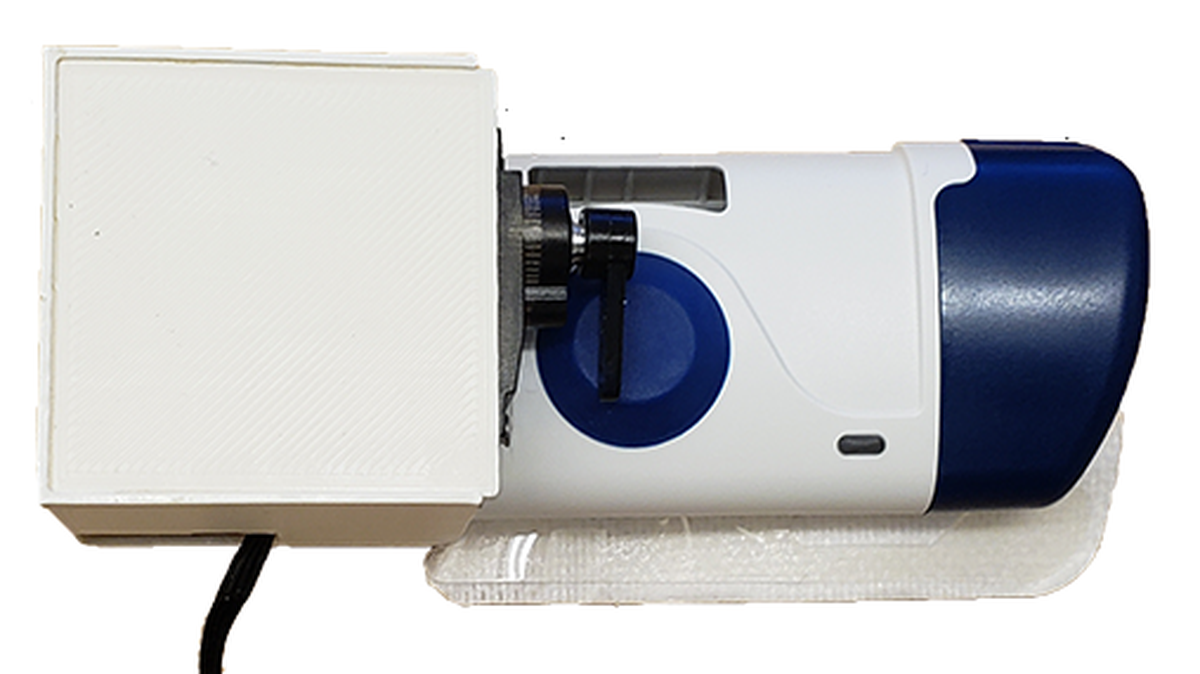
An experimental device worn on your stomach could detect and reverse an opioid overdose as soon as a person stops breathing and moving, automatically triggering the release of anti-narcotic medications that could save lives.
The proof-of-concept wearable can also send data about breathing rates and motion to a smartphone via Bluetooth.
Although drugs like naloxone, better known under the brand name Narcan, are highly effective at reviving people who have overdosed if administered in a certain period of time, there’s still a “critical need” for methods to prevent and treat overdoses that go unwitnessed.
The University of Washington researchers say their device can provide an additional layer of harm reduction that could prevent accidental deaths, particularly in cases where people experiencing an overdose are alone.
Such technology is especially important as fatal opioid overdoses in the U.S. skyrocket during the COVID-19 pandemic, according to the study published Nov. 22 in the journal Scientific Reports.
More than 81,000 drug overdose deaths were recorded between June 2019-May 2020, with opioids responsible for 70% of those in 2019. Generally, up to about 52% of fatal overdoses occur when the person is alone, while 27% of cases go unnoticed by bystanders who don’t recognize overdose symptoms.
“As fatal drug overdoses continue to increase, new strategies are required to reduce mortality and morbidity rates,” the University of Washington researchers said in their study. “While existing harm reduction interventions like take-home naloxone programs and supervised injection facilities have been efficacious, there is a critical need for systems that can reverse opioid toxicity events especially in the absence of bystanders, where many overdoses occur.”
How does the device work? How was it tested?
The device comprises three parts: accelerometers that measure breathing rates, a wearable injection system that delivers naloxone through the skin and an “actuator” that activates the injector system when a person stops breathing and moving.
It was developed with the company West Pharmaceutical Services of Exton in Pennsylvania that created a wearable medication injector used in the new device.
The device was tested in two separate clinical trials, one of them involving 25 volunteers with opioid-use disorder who self-administered drugs in a supervised injection facility in Vancouver, British Columbia, in Canada. The goal of the study was to evaluate the sensors and measure breathing patterns to develop an algorithm that would help the devices detect an overdose in real life.
Naloxone was not injected in the volunteers because it could have triggered withdrawal if given without due cause. None of the volunteers experienced an overdose.
The second clinical trial involved 20 healthy volunteers in a hospital setting. Participants held their breath for 15 seconds to simulate an overdose event when someone stops breathing. Once the device detected this, it injected a dose of naloxone that “is safe for a human volunteer and within the range of an initial dose that someone experiencing an overdose may receive.”
Blood samples collected after the injections confirmed the device successfully delivered the drug into volunteers’ circulatory system, revealing its potential to reverse opioid overdoses, researchers said.
Additional measurements showed sex and body mass index did not affect the device’s ability to detect an overdose.
Researchers say further studies are needed to determine “comfort and discreteness of the device over longer time periods, particularly in unsupervised settings.”
This story was originally published November 23, 2021 at 2:50 PM with the headline "Opioid overdoses could be detected, reversed with device worn on stomach, study says."