Children’s beliefs about gender may be influenced by the books they read, study finds
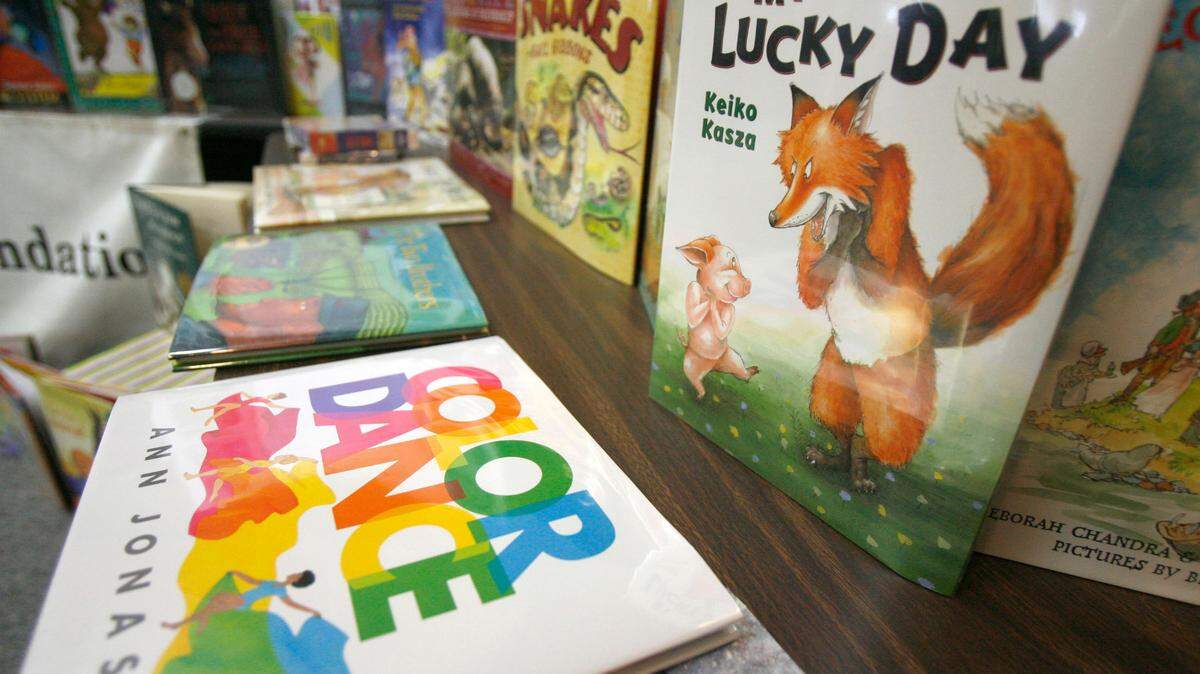
A new study combed through hundreds of thousands of words in 247 children’s books and found that the books could affect what kids age 5 and younger think about gender, femininity and masculinity.
The study, which was published in the Psychological Science journal on Dec. 23, concluded that children’s books convey systemic ideas about gender and can often insinuate gender stereotypes, including ideas like boys are better at math, or girls excel more at reading.
Why is it important? Because reading at a young age is beneficial to children, the study said, and it could influence a child’s belief about gender. In some cases, the gender bias in children’s books was stronger than what is found in adult literature.
“We found that many popular children’s books often read to young children, like Curious George and Amelia Bedelia, contain rich information about gender that is presented in subtle ways,” lead study author Molly Lewis said.
The researchers tested several different methods of identifying gender bias in children’s literature, including focusing on four gender stereotypes that have previously been examined between adults and children.
Women as “good” and men as “bad”
Women better at language skills, men better at math skills
Women better at art skills, men better at math skills
Women are family-oriented, men are career-oriented
The study then used word and language comparison models to identify stereotypes and biases in books. Based on the results, the models showed that biases between language and math, arts and math, and family and career were more prominent in children’s literature than adult literature, indicating that stereotypes may not just be present in children’s books, but exaggerated, too.
“These findings are broadly consistent with prior work showing similar bases in a historical corpus of children’s books published around 1900,” the study concluded. It also noted that almost half the books had gendered characters that were only male, or only female.
Then, the study looked at what gender the characters were in the books boys tend to read, versus books read by girls, by looking at reviews on Amazon.com. The study broke down the reviews by identifying keywords in customers’ reviews about each book, such as referring to their daughter, son, niece or nephew.
According to the data, books that had more female-biased content and characters were read more often to girls, and more books with male bias were read to boys. It was also found that there was a stronger bias toward reading girls books with a female gender bias than reading boys books with a male bias.
“The findings suggest that children’s books featuring a particular gender and content associated with that gender tend to be read disproportionately to children of that gender,” the study stated.
Some of the books that scored as the most feminine-biased were Chrysanthemum, Brave Irene and Amelia Bedelia. Some of the highest masculine-scored books were Curious George, Dear Zoo and Goodnight, Goodnight Construction Site.
The results indicated that since children were more prone to read books about their own gender, that girls would learn more about stereotypes applied to females and boys would learn about gender stereotypes associated with men, which leads to a question about how children identify stereotypes of the opposite gender, a release about the study noted.
“One possibility is that they gain this information from other sources such as media and direct interactions,” the study said.”
Considering the frequent bias of gender in children’s books, Lewis said that it could imply parents have the ability to influence children’s concepts and beliefs of gender through books. It was still undiscovered whether the children’s interest in reading about their correlating gender bias was due to the caregiver or the child’s preference, the study said.
Another trend that was noted in the study was that biases and the frequency of gender prominence in books has changed through history, it said. Older books typically had more male characters, based on publication data.
The swell in female character presence in media goes beyond children’s books, too. According to a 2020-2021 study from the Center for the Study of Women in Television and Film, female characters in speaking roles for broadcast networks and streaming services hit 45%, according to the study, which was a historic high.
Streaming services also had the highest percentage of major female characters, at 52%.
Future research should be done to evaluate how different gender biases and disparities are displayed in children’s books in order to understand how it could influence kids at a young age, the study on children’s literature said.
“There is no doubt that shared reading has numerous benefits. However our data show that contemporary children’s books also convey systematic information about gender,” the study said. “Caregivers may inadvertently promote the development of gender stereotypes via shared reading of books.”
This story was originally published December 27, 2021 at 5:00 PM with the headline "Children’s beliefs about gender may be influenced by the books they read, study finds."