Metal detectorist ‘never expected’ to find ancient gold treasure — then he found two
.jpg "Three metal detectorists found 15 gold coins from 2,000 years ago, a first-of-its-kind collection in Wales, archaeologists said. Photo shows a representative field in Anglesey.")
Lloyd Roberts swept his metal detector across a field in Wales. The device beeped, alerting him to a buried object. He dug it up — and uncovered something he “never expected” to find.
Roberts and his friend Peter Cockton were searching a field in Anglesey in July 2021 when they stumbled on buried treasure, the Amgueddfa Cymru National Museum Wales said in an Aug. 9 news release shared with McClatchy News.
“Having been searching for history for over 14 years, finding a gold stater” — a type of gold coin from the Iron Age — “was always number one on my wish list,” Roberts said in the release.
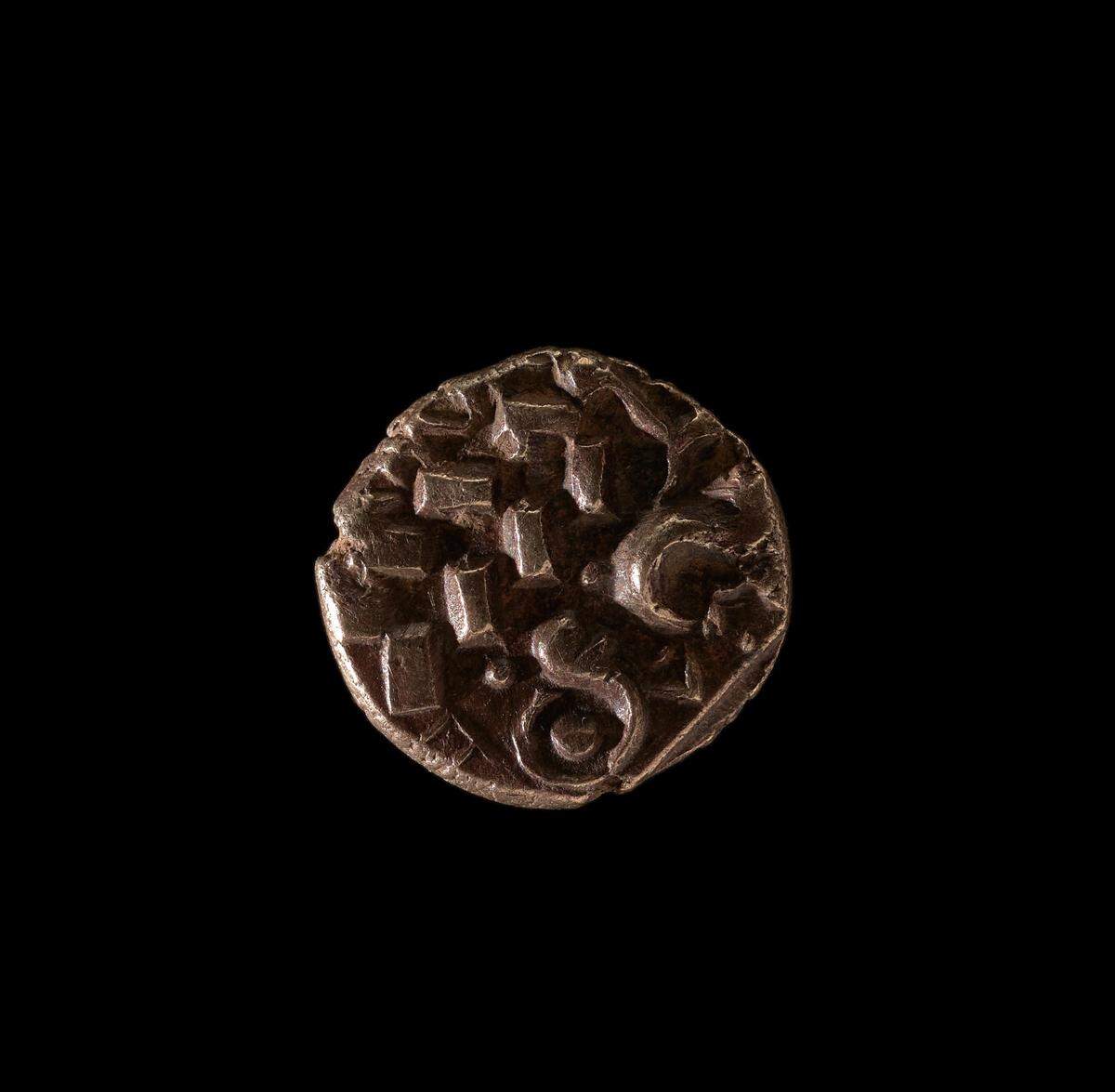
And that day his wish came true. He found a well-preserved 2,000-year-old gold coin. The still-shiny coin has a relatively abstract design with swirls and rectangular markings, a photo shows.
“Can you imagine my shock, delight and surprise… having dug up a beautiful full gold stater in mint condition?!” he said in the release. “That one coin alone would have made my year, but I went on to find another.”
Cockton also uncovered three ancient gold coins scattered around the field, the release said.
But that was just the beginning. Another metal detectorist, Tim Watson, decided to search the same field.
“I’d been over this field a few times and not found much of interest,” Watson said in the release, “and then one evening literally struck gold!”
“I rushed home to show my wife and we were both in awe of this coin, which was like nothing else I had found,” he said. The gold coin was “immaculately preserved with such unusual stylized images.”
Returning to the field with a better metal detector, “I proceeded to find another nine coins in the same area in the following weeks,” Watson said.
A photo shows the full collection of gold coins. The coins vary slightly in color but are all roughly the same size. They appear to have distinct designs but one cohesive style.
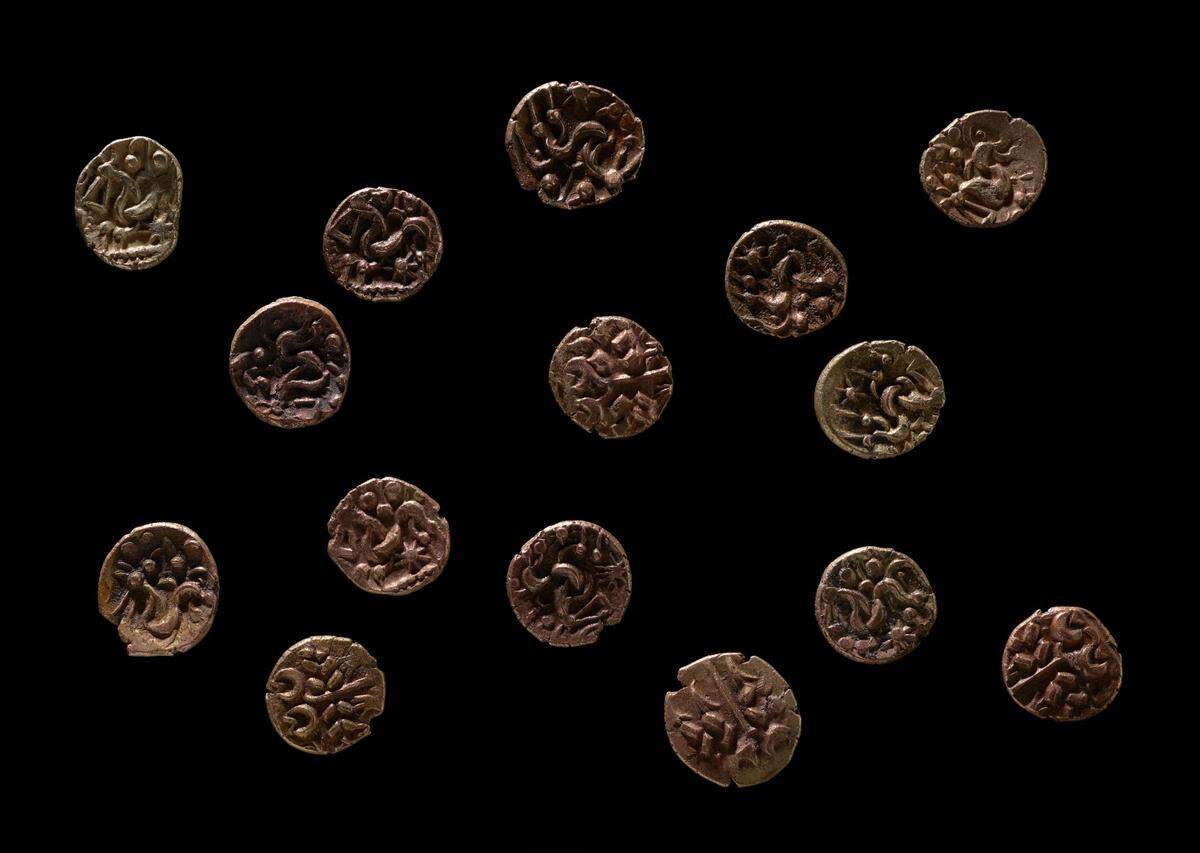
Archaeologists identified the collection of 15 coins as “the first hoard of Iron Age gold coins to have been discovered in Wales,” the release said. The “rare” coins were minted between 60 B.C. and 20 B.C. by the Corieltavi tribe.
The Corieltavi, or Corieltauvi, tribe were an agricultural people group who lived in eastern England during the Iron Age, according to the University of Warwick. They were mostly “smaller, self-governing tribal groups” who became a “client kingdom, or civitas,” after the Romans invaded the United Kingdom.
Unlike the Corieltavi, “Iron Age tribes inhabiting modern Wales did not make their own coins and rarely used other tribes’ coins,” archaeologists said. When these tribes did use coins, they probably used them as gifts or religious offerings, not day-to-day currency.
The first-of-its-kind collection of gold coins found in Anglesey might have been linked to trade with the Corieltavi or part of a religious offering, the release said.
The Oriel Môn museum and art gallery in Anglesey is interested in acquiring the coins after a committee assesses their value.
Anglesey is an island in northwestern Wales, about 250 miles northwest of London.
This story was originally published August 10, 2023 at 10:17 AM with the headline "Metal detectorist ‘never expected’ to find ancient gold treasure — then he found two."