Inscribed blade hid under grave for almost 1,900 years — until now. What does it say?
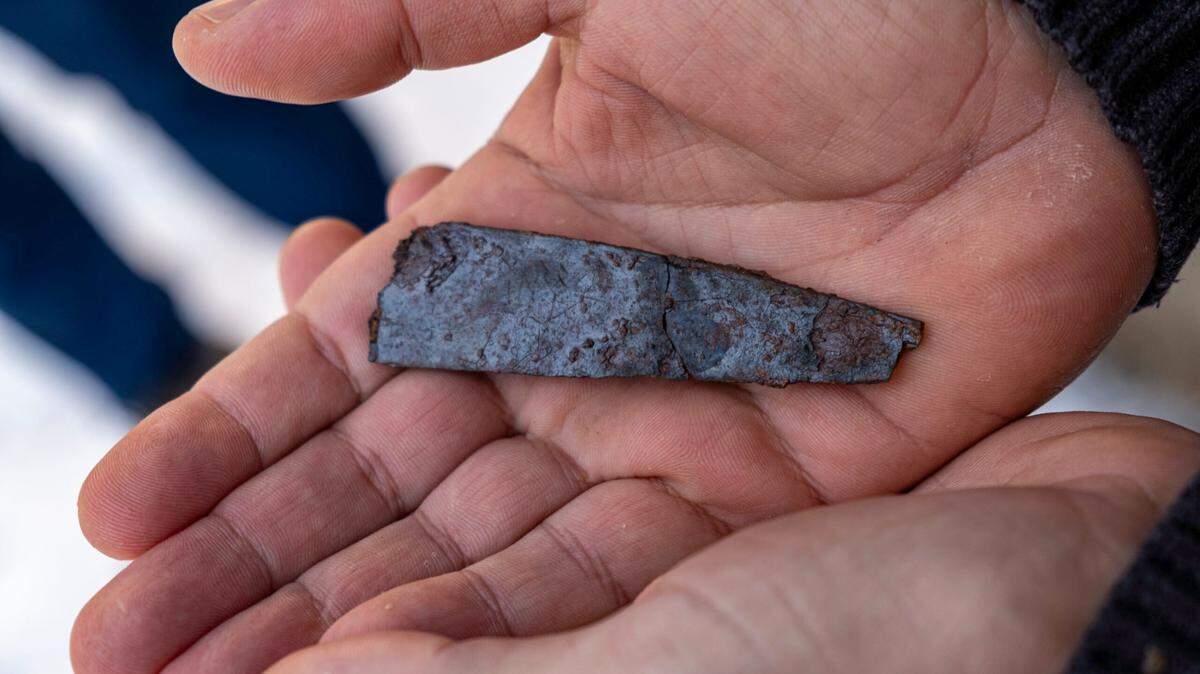
Nearly 1,900 years ago, an ancient inhabitant of what is now Denmark was cremated and buried in an urn. Before they were buried though, a hole was dug and a treasured knife with a special inscription was placed beneath their grave.
That’s where the blade has stayed — until now.
Archaeologists from the Museum Odense recently unearthed the runic blade, according to a Jan. 22 Facebook post from the museum. The discovery marks the oldest known runes in Denmark.

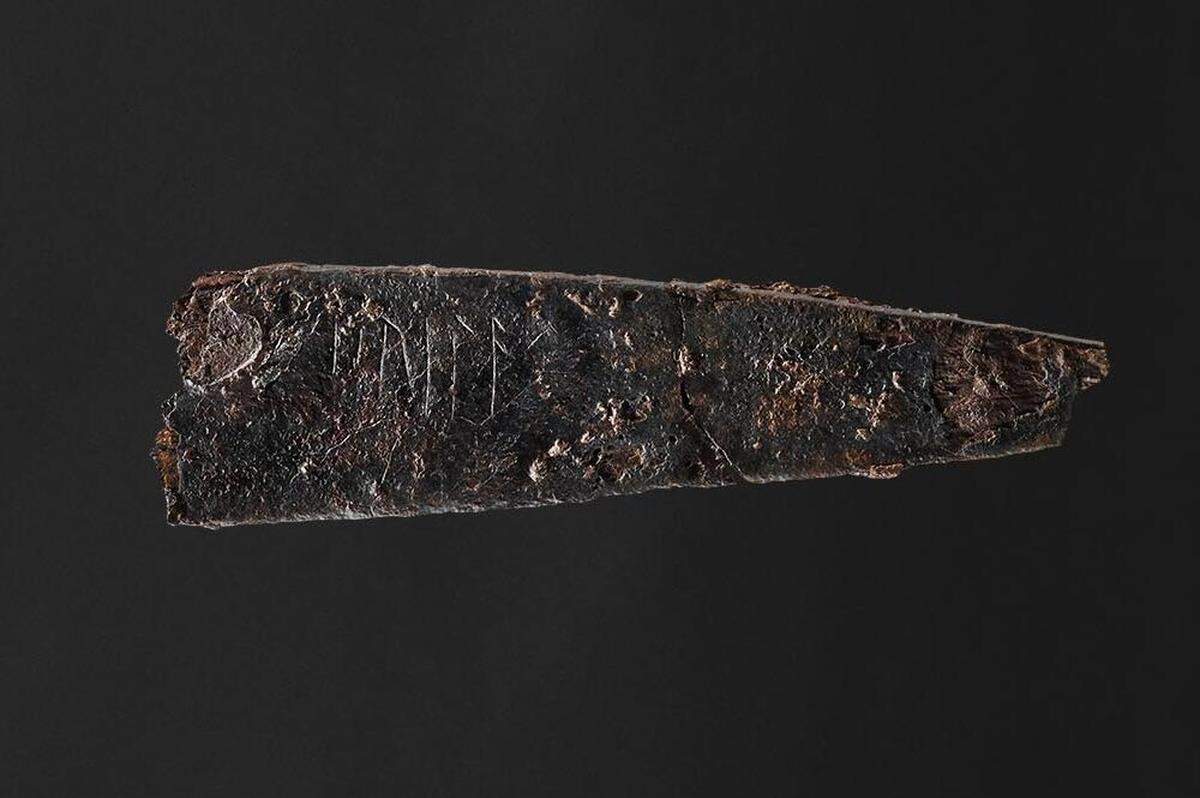
Experts said the small knife dates back to about 150 A.D., and it is inscribed with a message using the oldest known rune alphabet.
The five runes spell the name “hirila,” which translates to “little sword” in Old Norse, the museum said in a news release. Archaeologists are unsure whether “little sword” referred to the blade’s owner or the blade itself.
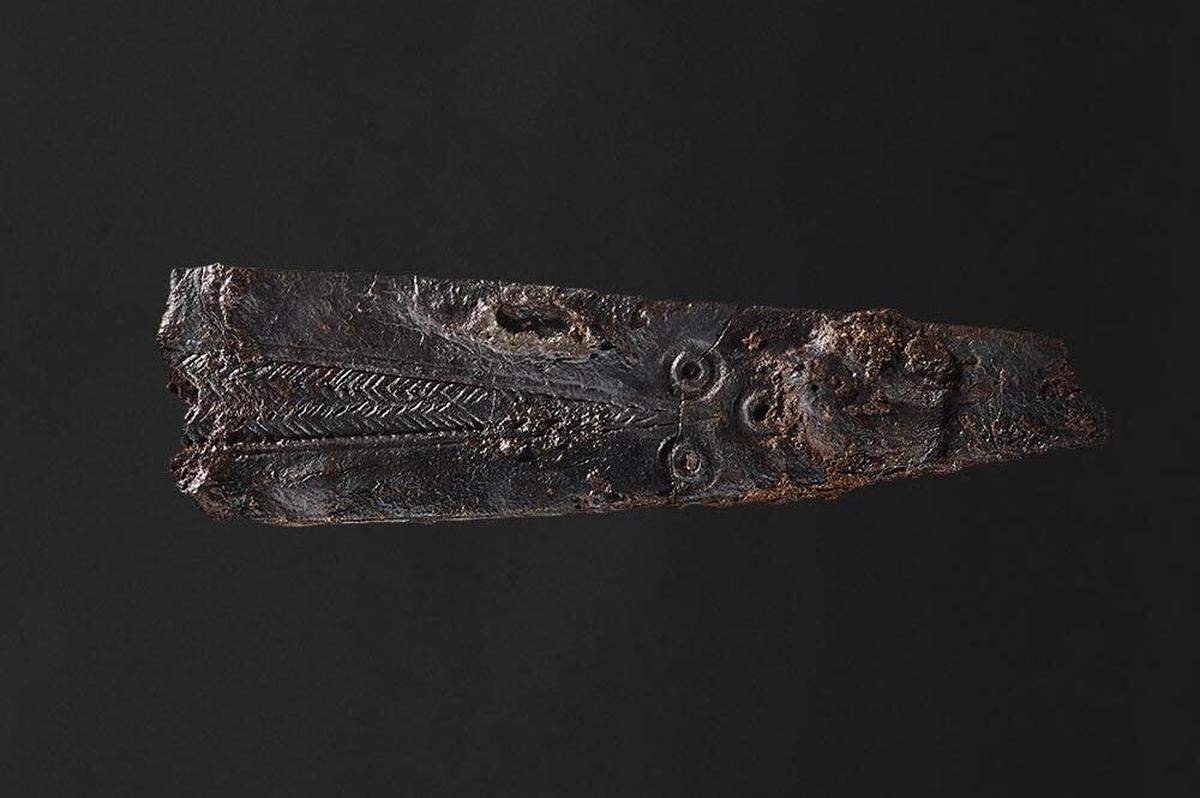
Photos shows both sides of the blade: one with the runes and the other with an intricate chevron-like pattern followed by three holes.
The grave and knife were found in Tietgenbyen, less than 10 miles from the site where a similar discovery was made in 1865, experts said. That’s when archaeologists unearthed a comb from the same time period with a runic inscription meaning “harja.”
Archaeologists said the knife was likely a treasured possession to its owner.
Google Translate and Facebook were used to translate a news release and Facebook post from the Museum Odense.
This story was originally published January 23, 2024 at 6:19 AM with the headline "Inscribed blade hid under grave for almost 1,900 years — until now. What does it say?."