Camouflaged creatures — with ‘mushroom-like’ eggs — found as new species in Vietnam
Around the world, animals blend into their environment using the colors, shapes and patterns of their bodies.
Sometimes these camouflaged creatures are predators, like owls indistinguishable from tree trunks or octopuses that appear one with coral.
Other times, the adaptation provides refuge and safety, like Arctic hares that blend in with the snow or mallard ducks nestled between rocks.
In the mountain forests of Vietnam, two creatures use their bodies to blend in with the leaves and branches — stick insects.
The two animals, Mycovartes khoii and Mycovartes montanus, were recently discovered as a new genus and species, according to a study published Oct. 22 in the peer-reviewed European Journal of Taxonomy.
The stick bugs “are nocturnal and were collected at night with the help of lightweight and water-proof head torches (or head lamps),” researchers said.
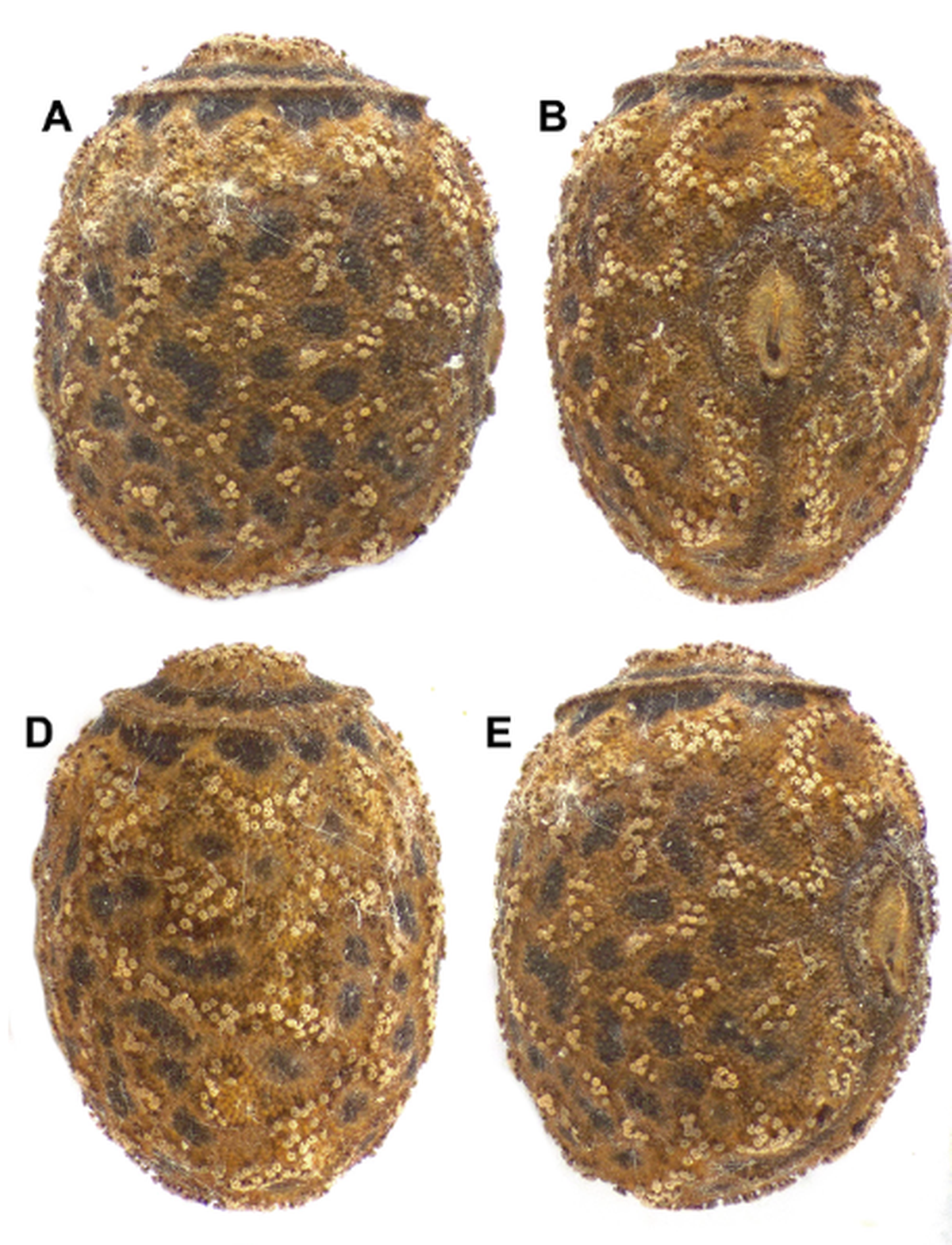
Both insects create the genus Mycovartes, a name that comes from the Greek word μύκης, or “myco,” meaning mushroom or fungus, according to the study. All species in the genus have “mushroom-like structures” on their eggs.
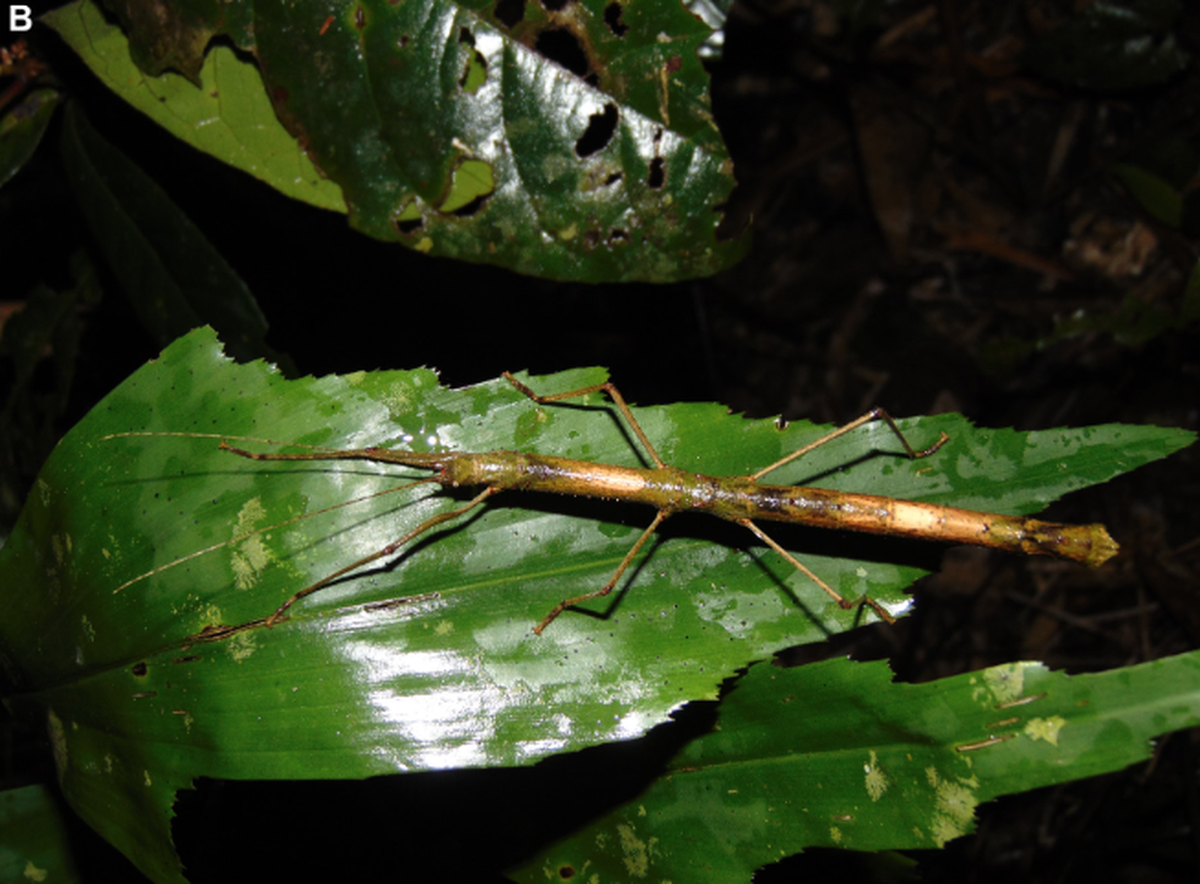
Mycovartes khoii was found in southern Vietnam and was named after Nguyễn Văn Khôi, a driver who transported the researchers on multiple expeditions “over more than 10 years,” according to the study.
The holotype, or primary specimen, was about 2.7 inches long, researchers said. Other male M. khoii were similar in size, while females of the species reached lengths of 3.5 inches.
They are distinguishable from other species by a small patch of orange on a portion of their wings, according to the study.
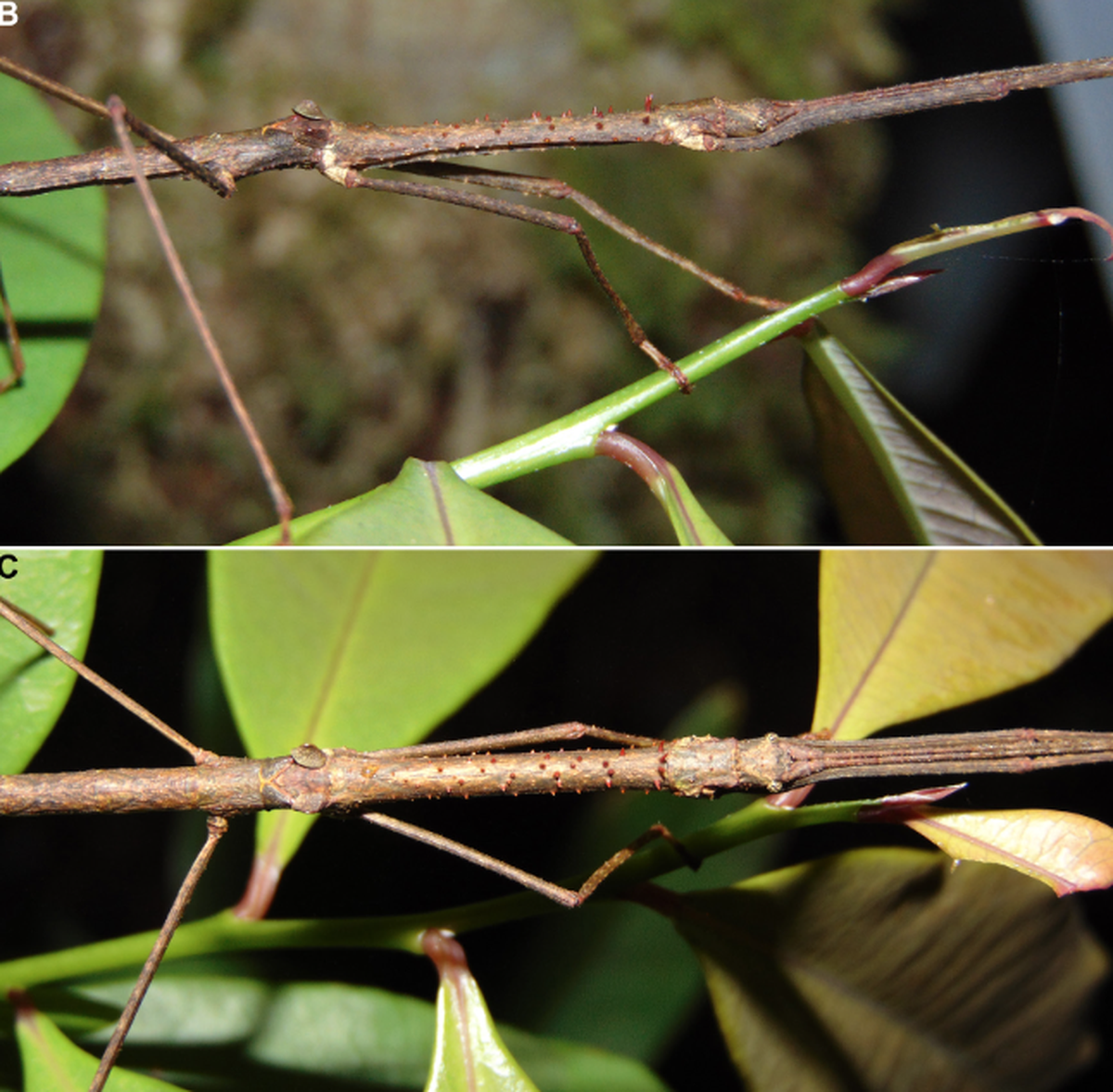
Mycovartes montanus stands out from other species because of a “scale-like” tegmina, the hardened outer wing that covers a typically softer and smaller inner wing, researchers said.
The species earns its name from the mountain region where it was found.
There are small bumps on the insects’ body, appearing to mimic spines on a branch, photos show.
M. montanus are a bit larger than M. khoii. The male holotype was about 2.9 inches long, and females of the species reached nearly 3.9 inches long, according to the study.
“The species was collected in mountainous tropical evergreen rainforest, at a rather high altitude (more than 5,200 feet above sea level),” researchers said. “The specimens were observed on low vegetation and seemed to feed on a variety of plant species. The eggs are dropped to the ground.”
The study, which announced the discovery of the new genus, also included the description of two new species from the existing genus Neooxyartes.
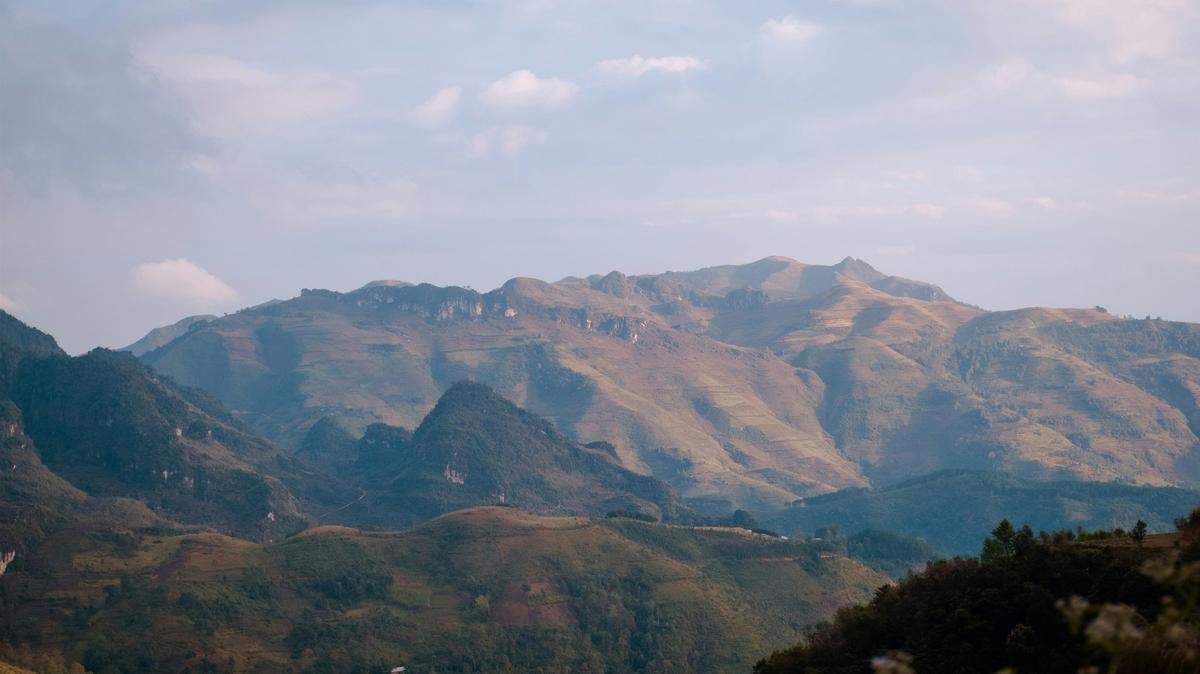
The new species were found in the Annamite Mountains, a range that runs the length of Vietnam near the border with Laos.
The research team includes Joachim Bresseel and Jérôme Constant.
This story was originally published October 24, 2024 at 8:46 AM with the headline "Camouflaged creatures — with ‘mushroom-like’ eggs — found as new species in Vietnam."