Pregnant creature with ‘visible’ eggs found at Thailand waterfall. It’s a new species
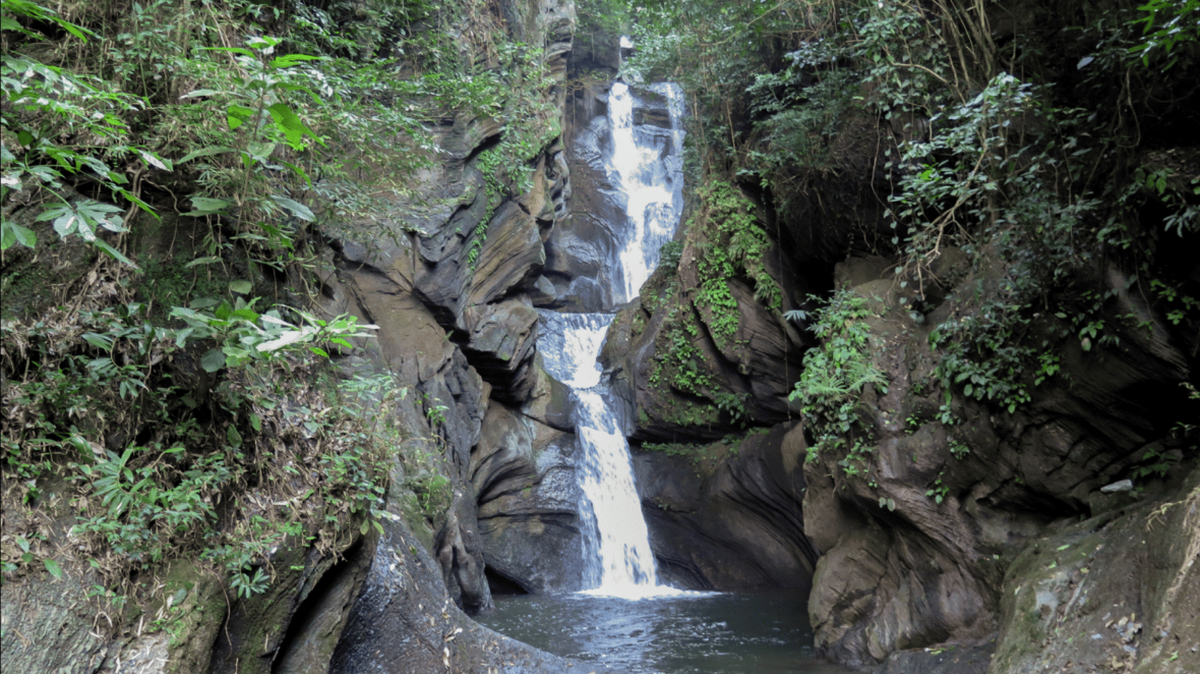
Near a waterfall in Thailand, a pregnant creature with two “externally visible” eggs perched on a rock. Its “large” mosaic-like eyes scanned the dark landscape, but it wasn’t the only one looking around.
Visiting scientists spotted the banded animal — and discovered a new species.
Researchers hiked into a national park in Kanchanadit District in 2019 to survey wildlife, according to a study published Nov. 11 in the peer-reviewed journal Animals. The park is in a “major global biodiversity hotspot” but had been “poorly” surveyed.
During their nighttime visit, researchers encountered several brown and black geckos near a waterfall, the study said. Intrigued, the team took a closer look at the lizards, analyzed their DNA and realized they’d discovered a new species: Cyrtodactylus kanchanadit, or the Kanchanadit bent-toed gecko.
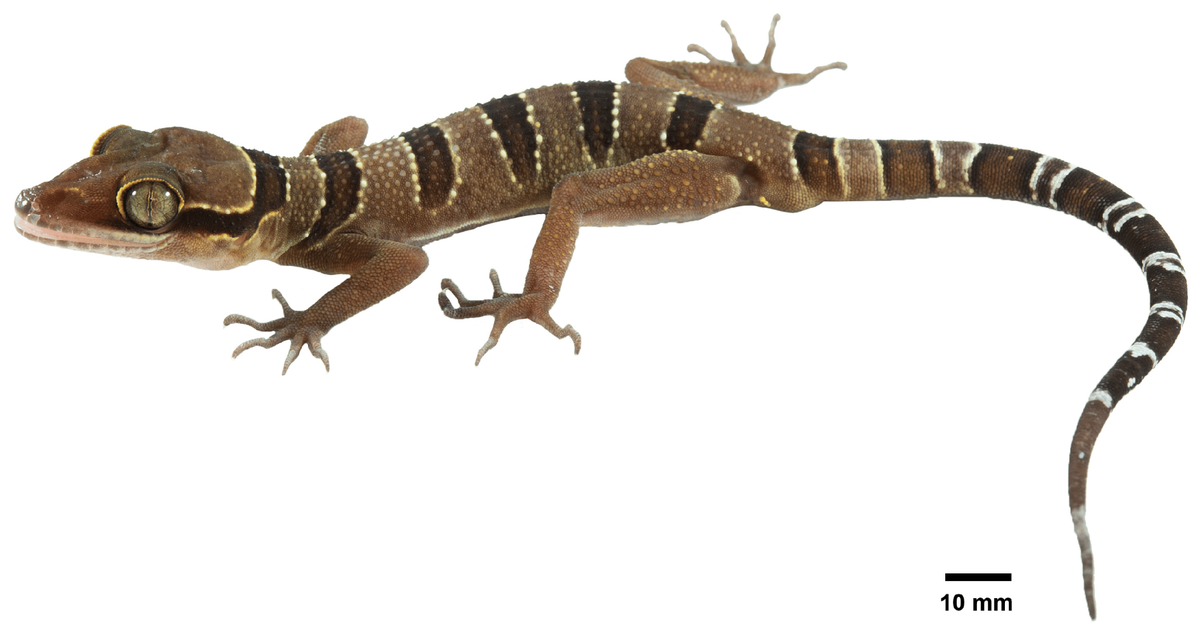
Kanchanadit bent-toed geckos can reach over 9 inches in length, the study said. They have “triangular” heads with “rounded” snouts and “large” eyes. Their “short” bodies have a few spikes and “well-developed” claws.
Photos show the “light brown” coloring of the new species. Several dark brown bands with white edges run across its back and tail. Yellow eyelash-like scales ring its eyes.
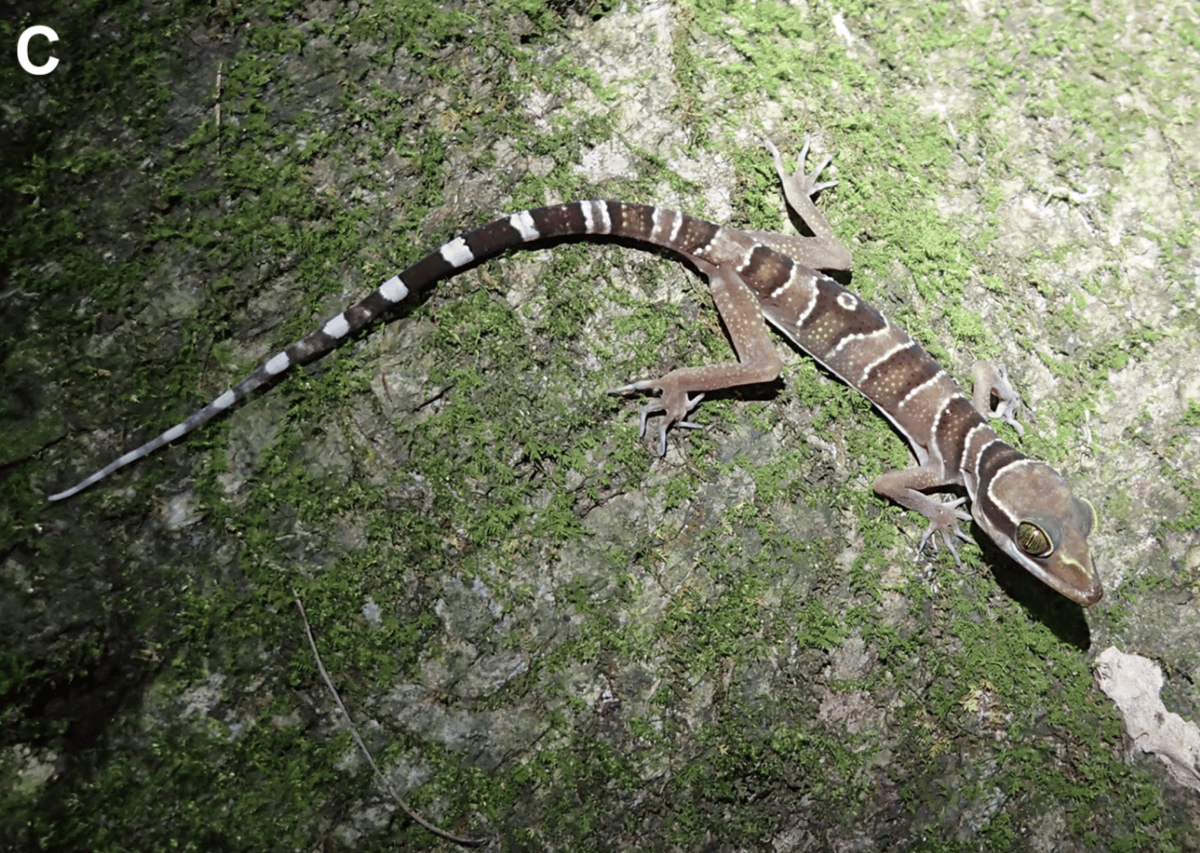
Kanchanadit bent-toed geckos live in “evergreen forests with large trees, numerous rocks, and boulders along the rocky stream and waterfalls,” the study said. Most geckos were spotted along the rocky riverbanks, but one “was found on a midstream rock.”
Researchers also found a pregnant gecko with two “externally visible” eggs.
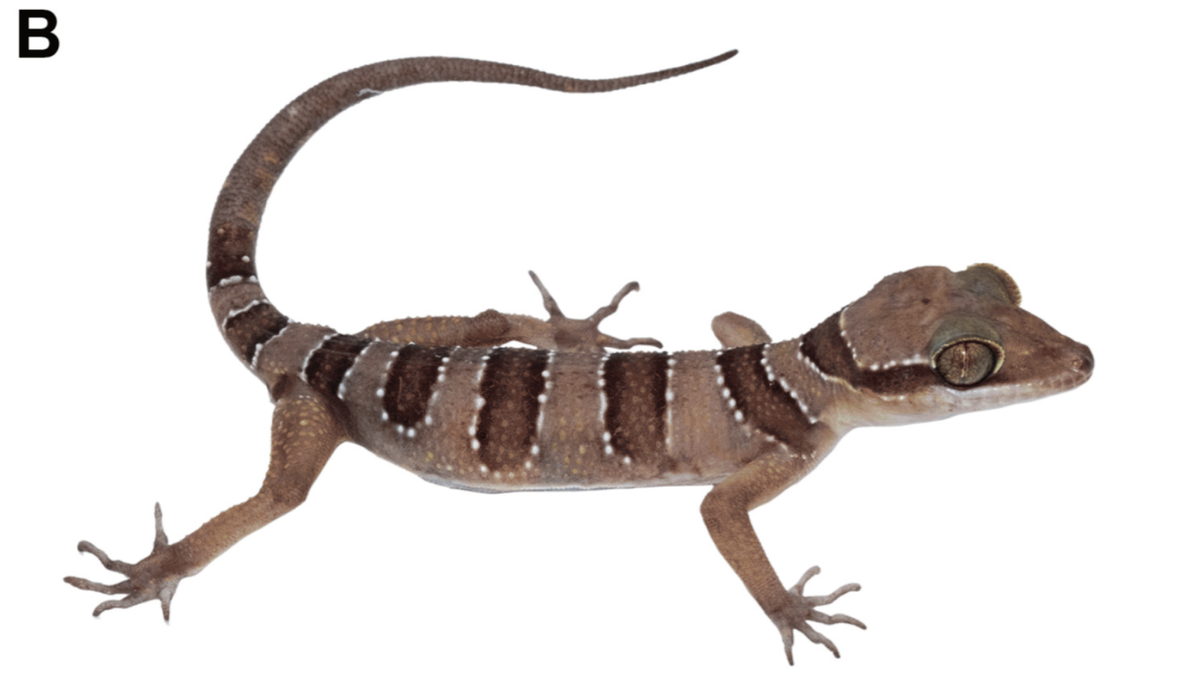
Researchers said they named the new species Kanchanadit after the district where it was discovered and, so far, the only place where the geckos have been found. Kanchanadit District is a coastal region in southern Thailand and a roughly 430-mile drive southwest from Bangkok.
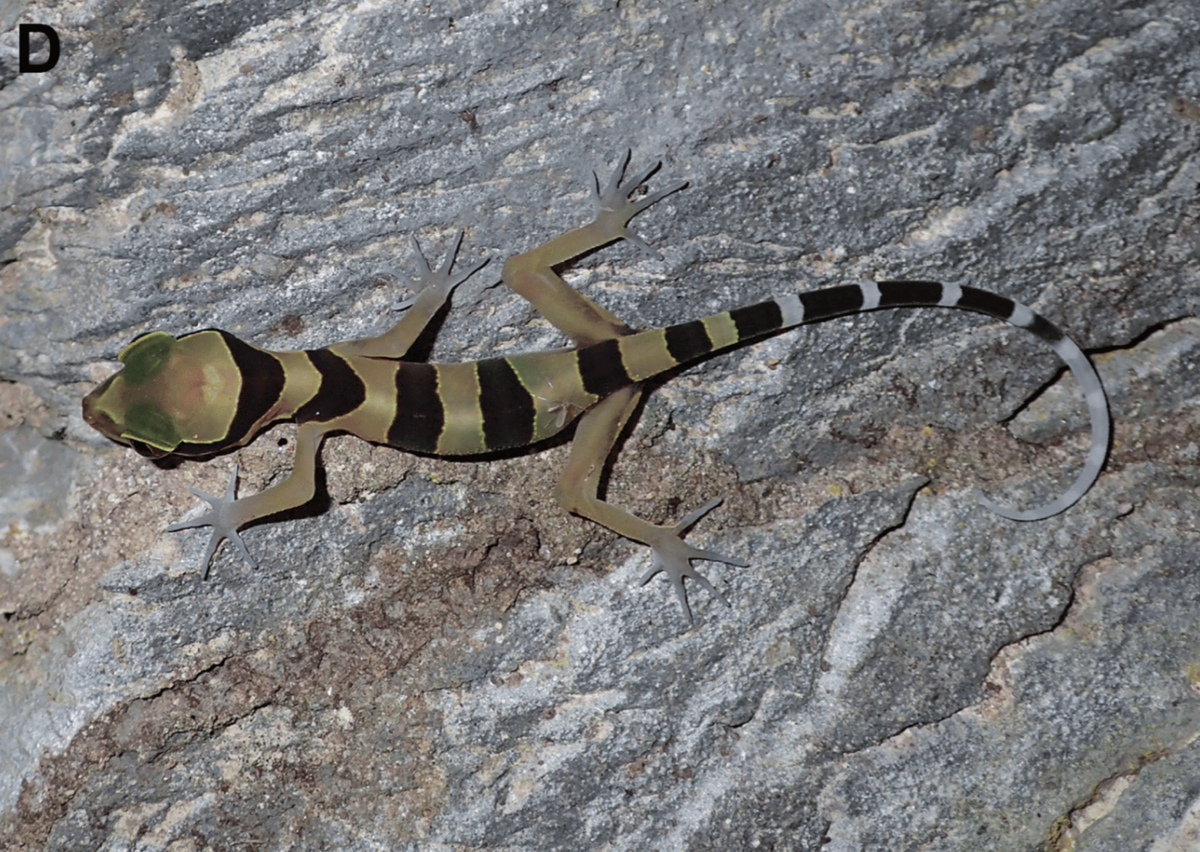
The new species was identified by its body shape, scale pattern, spike arrangement and other subtle physical features, the study said. DNA analysis found the new species had at least 4.5% genetic divergence from other related species.
The research team included Korkhwan Termprayoon, Attapol Rujirawan, Larry Lee Grismer and Anchalee Aowphol.
This story was originally published November 12, 2024 at 10:32 AM with the headline "Pregnant creature with ‘visible’ eggs found at Thailand waterfall. It’s a new species."