Brain-eating cannibalistic community lived in Poland cave 18,000 years ago, bones show
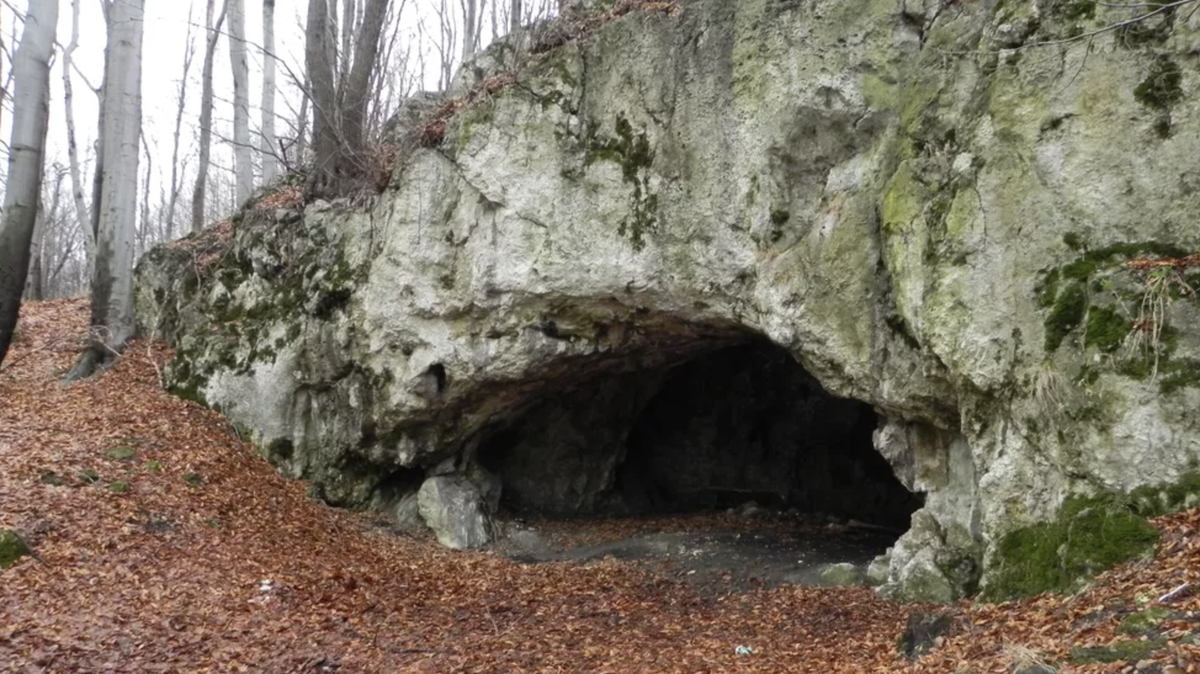
In prehistoric Europe, the Magdalenian culture was known for its toolmaking and artistry, left behind on cave walls and rocky outcrops.
For thousands of years, they hunted large game and lived together under the protection of substantial rock structures as their populations continued to grow.
In the 1990s, archaeologists in Poland excavated one of these settlements from 18,000 years ago called Maszycka Cave. Now, researchers believe there is conclusive evidence the cave was home to cannibals.
When the cave was studied three decades ago, archaeologists noticed the human remains had cut marks on the bones made by tools, according to a study published Feb. 6 in the peer-reviewed journal Scientific Reports.
The initial conclusion was cannibalism, researchers said, but later analysis of the same bones refuted this answer, saying the cuts were made to prepare the bodies for burial and to make ceremonial items out of the bones, rather than for consumption.
Hoping to put an end to the debate, researchers analyzed the bones again, including pieces that weren’t present in previous studies to determine what happened to the Magdalenian people when they died, and what might have pushed a community to the point of eating its neighbors.
Researchers collected 63 human bone fragments from the Maszycka Cave collection, including skulls and long limb bones, according to a Feb. 6 news release from the Catalan Institute of Human Paleoecology and Social Evolution, the home institution of lead author Francesc Marginedas.
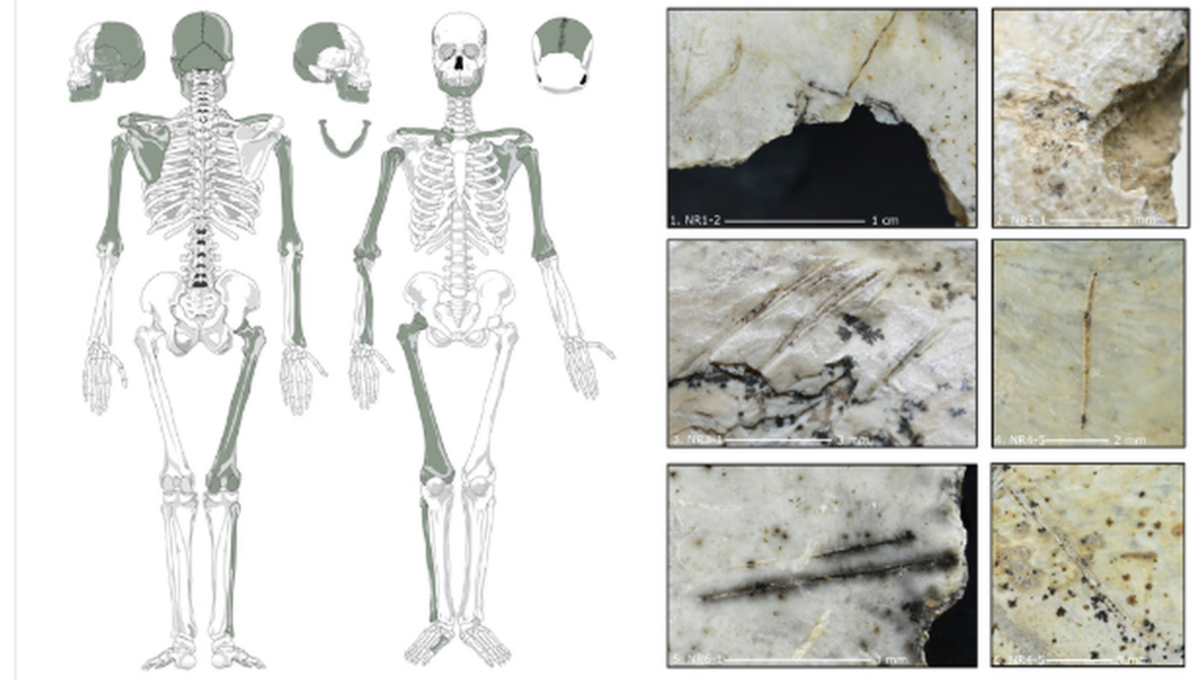
More than half of the bones, 68%, showed evidence of human manipulation, researchers said. The team used a process called 3D microscopy to map the cuts, and found that many were indicative of the removal of muscle bundles, the brain and marrow from inside the bones, according to the release.
The cuts were made shortly after death, suggesting the community didn’t want to wait for the flesh to decompose, and the bones were broken in a way to access the squishy interior, researchers said.
“In this case, the main difficulty is differentiating between butchering processes related to the preparation of the corpses for consumption and other types of (soon after death) manipulation that may have taken place as part of mortuary practices in which ingestion did not play a part,” according to the study. “Nonetheless, the purpose of the butchering process was the extraction of nutritional resources — meat, viscera, and marrow — a procedure in which clear patterns related to exploiting carcasses are evident.”
Other members of the Magdalenian culture created skull cups out of the dead, meaning when they scalped the bodies and opened the skull, they did so in a specific pattern.
In the case of the Maszycka Cave, the cut marks do not follow a pattern and use fewer cuts to get inside the skull cavity, suggesting the skulls were broken up for access to the brain, and not for use of the skull cap, according to the study.
The evidence found in this analysis suggests the bodies were cut up in a way to get the most nutritional benefit from consuming the meat, focusing on the fatty marrow and nutrient-rich brain, researchers said. The handling of the remains showed they focused on nutritious parts of the body, neglecting areas such as the hands and feet with little to offer.
But what could have driven this particular Magdalenian group to cannibalism?
Palmira Saladié, co-author on the study and researcher at the Catalan Institute of Human Paleoecology and Social Evolution, said the group may have chosen cannibalism as a means of survival rather than holding a symbolic or ritualistic meaning.
Cannibalism for survival is more common in prehistoric contexts, Saladié said, and can be caused by intergroup violence. There are five other sites with evidence of cannibalism from the same time in Europe , which experienced a changing climate that caused competition for resources and possibly even war.
Researchers said it’s hard to know whether the consumed bodies are those of the group that lived in the cave, or if they belong to the enemy.
Maszycka Cave is located in southern Poland, about a 10-mile drive north from Kraków.
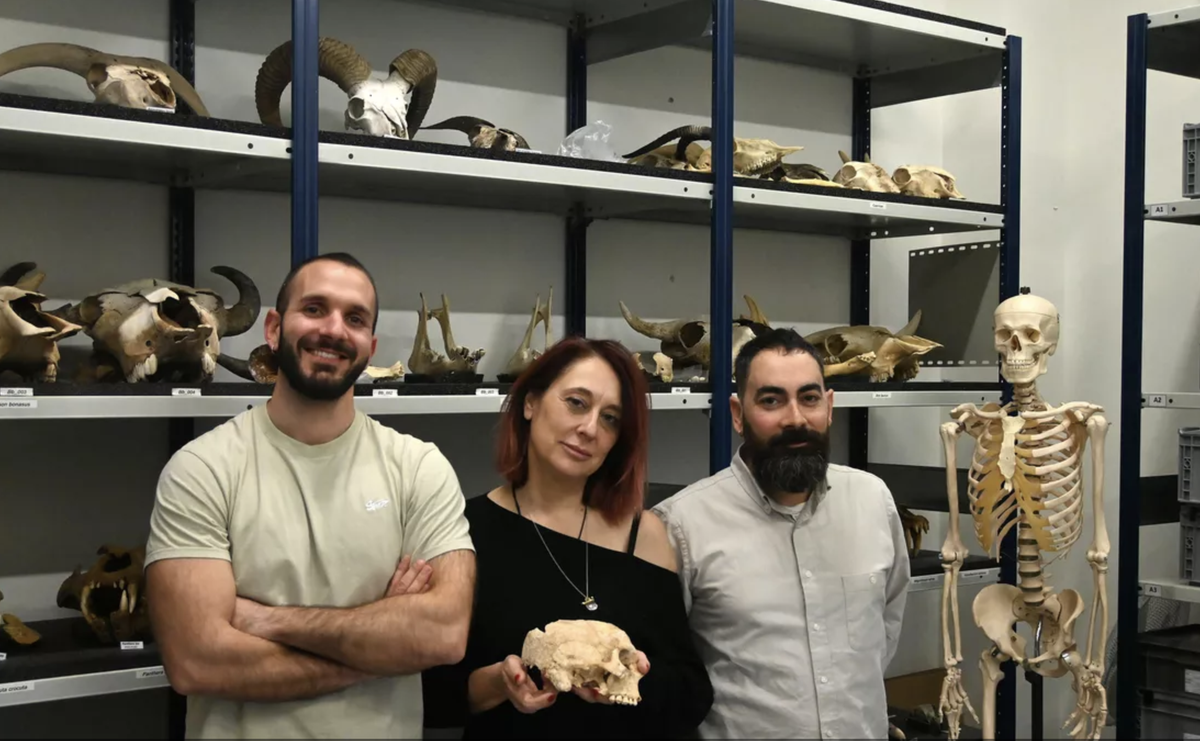
The research team includes Francesc Marginedas, Palmira Saladié, Marta Połtowicz-Bobak, Thomas Terberger, Dariusz Bobak and Antonio Rodríguez-Hidalgo.
This story was originally published February 7, 2025 at 1:02 PM with the headline "Brain-eating cannibalistic community lived in Poland cave 18,000 years ago, bones show."