Sound of thousands of ‘bouncing marbles’ turns out to be new species from Namibia
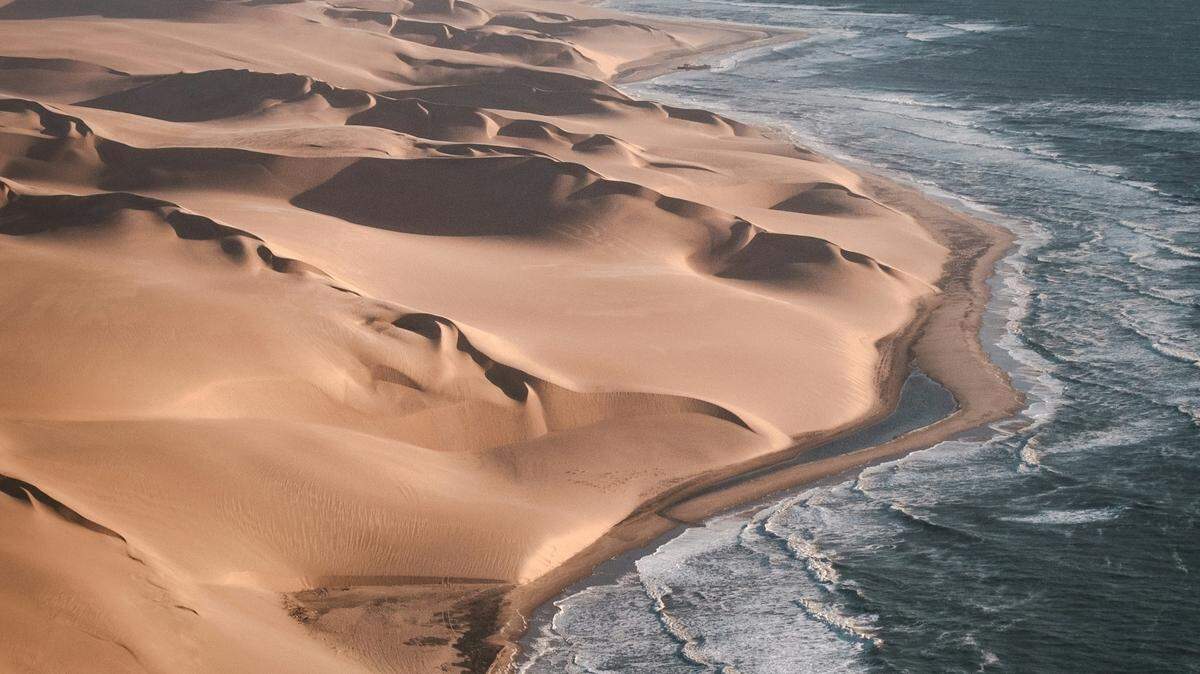
On warm nights in the Namib Sand Sea — Namibia’s vast coastal desert — an unusual sound carries through the air.
“The call strongly resembles the sound of bouncing marbles,” researchers said in a study published Aug. 28 in the peer-reviewed journal Vertebrate Zoology.
The team has now confirmed the unique calls are coming from a previously unknown species of “barking” gecko, according to the study. This group of geckos earns its name from its loud and “unique vocal abilities,” which males use to attract females, researchers said.
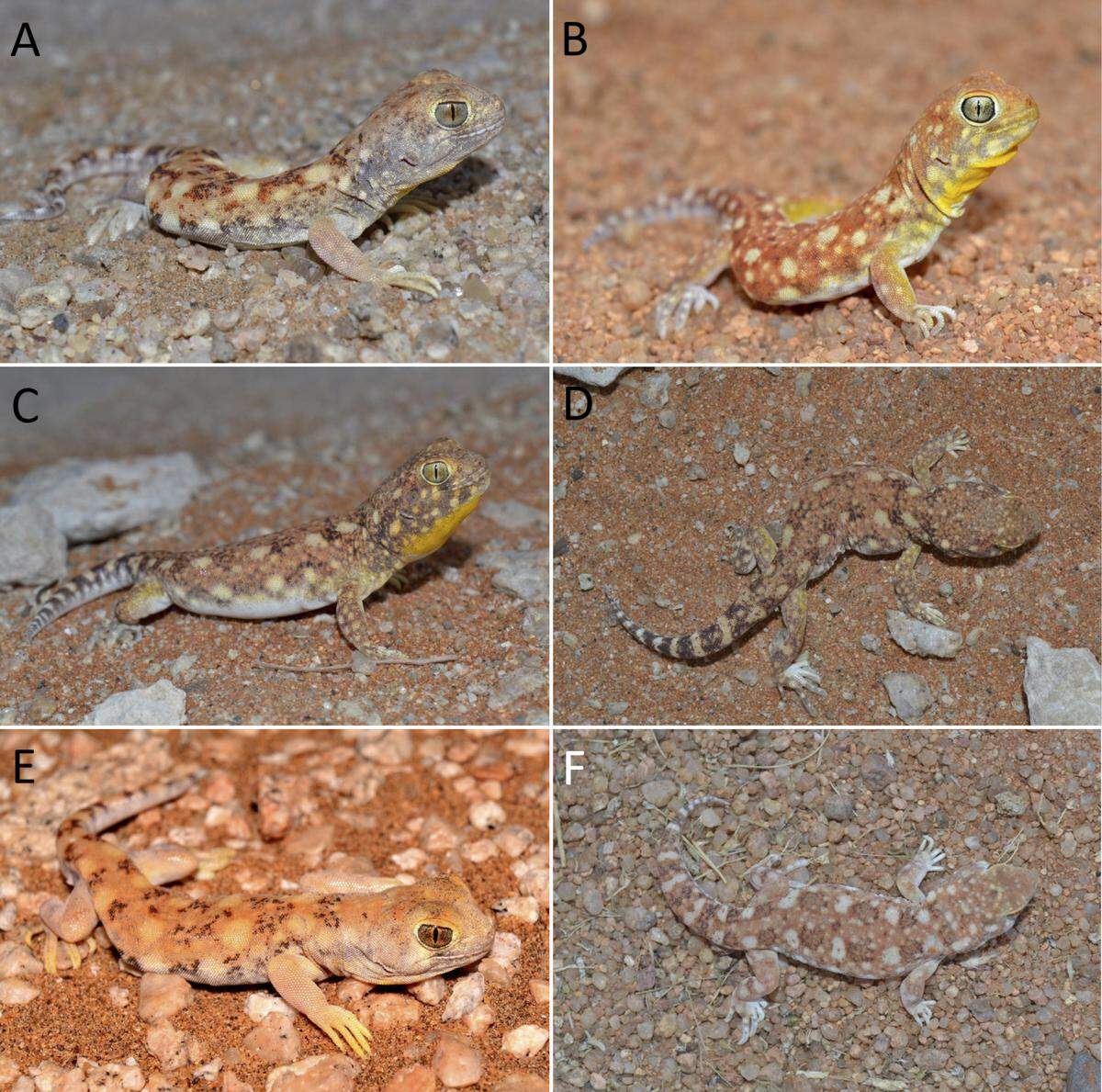
Ptenopus circumsyrticus, or the interdune barking gecko, is found on the “interdune plains within, and sandy plains around the northern and eastern edges of the Namib erg,” or the Sand Sea, researchers said.
The new species begins calling “shortly before sunset” and “may continue throughout the night as long as the moon is above the horizon,” according to the study.
“Thousands can be heard calling in chorus,” researchers said. The new species peak calling season is between August and November.
Occasionally, the interdune barking gecko will call during the day if the conditions are foggy or cloudy, the study said.
The new species is described as being “moderately small … with a short tail and a lean appearance.” Most of its body is ochre-colored “with deep orange, cream, and dark brown spots,” with the exception of its throat, which is yellow, researchers said.
It has a distinct “fringe” on its long fingers and toes, according to the study.
According to researchers, the interdune barking gecko lives alone in burrows beginning from a very young age.
While barking geckos have “multiple natural predators,” researchers observed a “large solifuge,” sometimes referred to as sun or camel spiders, capturing an interdune barking gecko, making it the first record of its kind, according to the study.
The interdune barking gecko was one of five new barking gecko species recently discovered in the “xeric,” or desert-like regions of southern Africa, according to the study.
The research team included François S. Becker, Graham J. Alexander and Krystal A. Tolley.
This story was originally published September 2, 2025 at 2:50 PM with the headline "Sound of thousands of ‘bouncing marbles’ turns out to be new species from Namibia."