Merced County budget gets boost from June draft but still includes job cuts
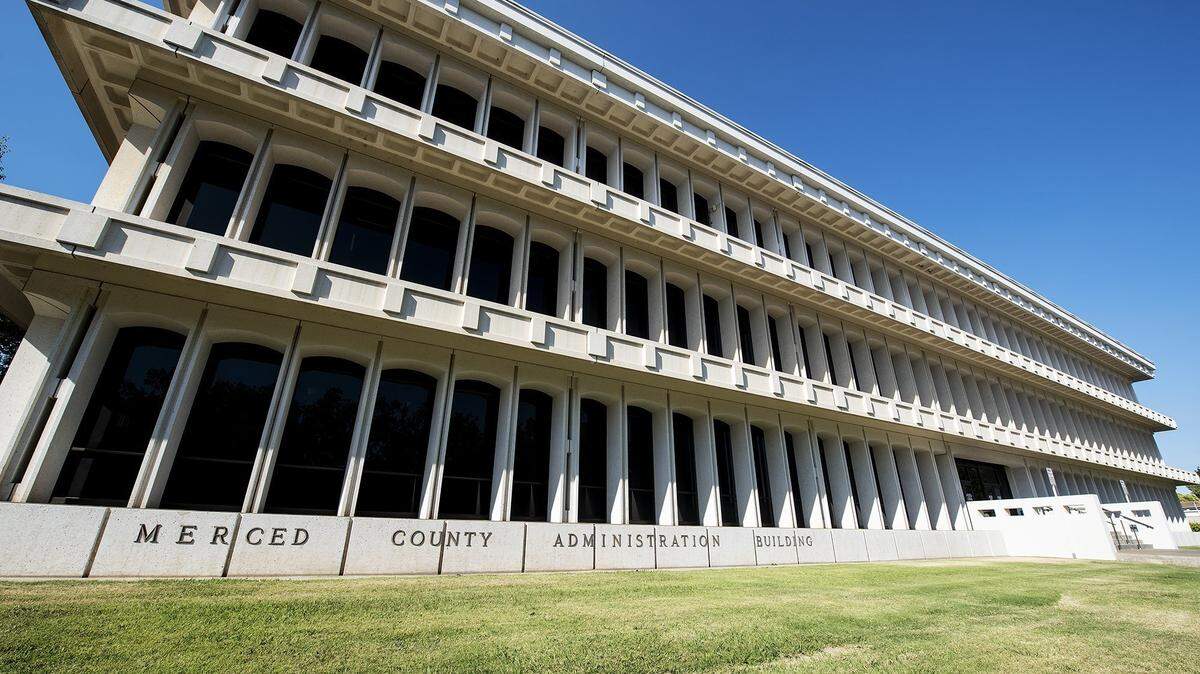
During a special Board of Supervisors meeting held on Tuesday to finalize the Merced County 2020-21 budget, it was clear that the specter of the coronavirus pandemic will color financial decisions for at least the next fiscal year.
The budget meeting was held the same day that Merced County Department of Public Health officials confirmed that economic relief could be just ahead — if the county’s COVID-19 data remains stable or improves over the next two weeks.
Merced County would then be permitted to reopen more nonessential businesses. Currently, the county is subject to the strictest of state-mandated business restrictions due to its local COVID-19 demographics.
But possible reopenings won’t be enough to ensure that Merced County’s economic outlook is secured for the long-term. County staff urged the Board of Supervisors to prepare for more challenges and budget toward fiscal stability.
“The economic picture is still very unpredictable,” said county CEO Jim Brown on Tuesday. “With the uncertainty of the economy, COVID and the November election, we are concerned with the upcoming year and encourage you to continue your emphasis on steady, cautious budgeting processes.”
Job cuts, additions
The supervisors adopted a proposed budget in June, which serves as a temporary road map until the final budget is passed.
The proposed budget included job cuts of both filled and vacant positions. County officials at the time said that passing the cuts was one of the hardest decisions they’ve made. Two supervisors, Lee Lor and Rodrigo Espinoza, voted against eliminating the positions, but the item ultimately passed with a majority vote.
Cuts are still moving forward with the final budget and open positions remain vacant across departments, Brown said.
For example, the Merced County Sheriff’s Office is holding off on filling several deputy sheriff vacancies. Plus, two filled management positions are being deleted, effective Oct. 25. The reduction in staff is estimated to save the county $301,359 during fiscal year 2020-21.
In total, countywide jobs decreased by 74 positions from the prior fiscal year.
Salary and benefits, worker’s compensation and health insurance were reduced for many county departments, as well.
Funding opportunities did allow some new county jobs to be added, including a grant-writing position to aid all county departments. The addition was met with enthusiasm by the Board of Supervisors.
The creation of a Justice and Community Integration Division within the Department of Behavioral Health and Recovery Services also carries with it five new jobs.
Designed as a roll-out over multiple years, the division will expand crisis support, reduce criminal justice involvement with the mentally ill and divert individuals struggling with mental health or substance abuse away from jail or prison.
Plus, the Human Services Agency gained a full-time deputy director position, paid for via federal, state and realignment dollars. The new position aids the county’s housing and homeless programs.
One-time revenues bolster budget
Several other adjustments were made to the final budget since the proposed budget was adopted in June.
The total county budget rose to $726.6 million from a proposed $684 million. This represents a $52.6 million increase from the 2019-20 fiscal year’s final budget.
Merced County benefited from one-time revenues of over $10 million to help the general fund, which pays for the bulk of county-run operations, recover from an estimated $4.4 million shortfall projected in June.
Final general fund revenues came to $445 million, exceeding expenditures of $439 million.
Both general fund revenues and expenses rose significantly during fiscal year 2019-20 due to a strong financial start followed by pandemic-related costs, Director of Workforce Investment David Mirrione said. The general fund budget increased to $547.9 million from the prior fiscal year’s $513.9 million.
The general fund contingency, which secures dollars for unforeseen expenses or emergencies, grew from $7.5 million to $9.5 million to account for unexpected costs during the pandemic.
The Board of Supervisors also unanimously passed a policy to safeguard the general fund’s reserves, which are built up when revenues exceed expenses. The policy is intended to provide backup cash for unanticipated costs and mitigate expenses during difficult economic times.
“We need to add to the reserves as much as we can every year, and always save for pandemic-times,” said Espinoza, the board chairman.
Going forward, the general fund reserve will be maintained within 7-9% of the average general fund revenue over the prior three years. Tapping into the reserves are allowed only in certain circumstances outlined by the policy and by a four-fifths vote.
Despite the challenges presented by the pandemic, the Board of Supervisors expressed satisfaction with the final budget.
“I can walk away from this meeting knowing we gave it a good shot at trying to address all the needs,” said Supervisor Scott Silveira.
This story was originally published October 2, 2020 at 3:02 PM.