California voters to reject Proposition 32, the $18 minimum wage, by narrow margin
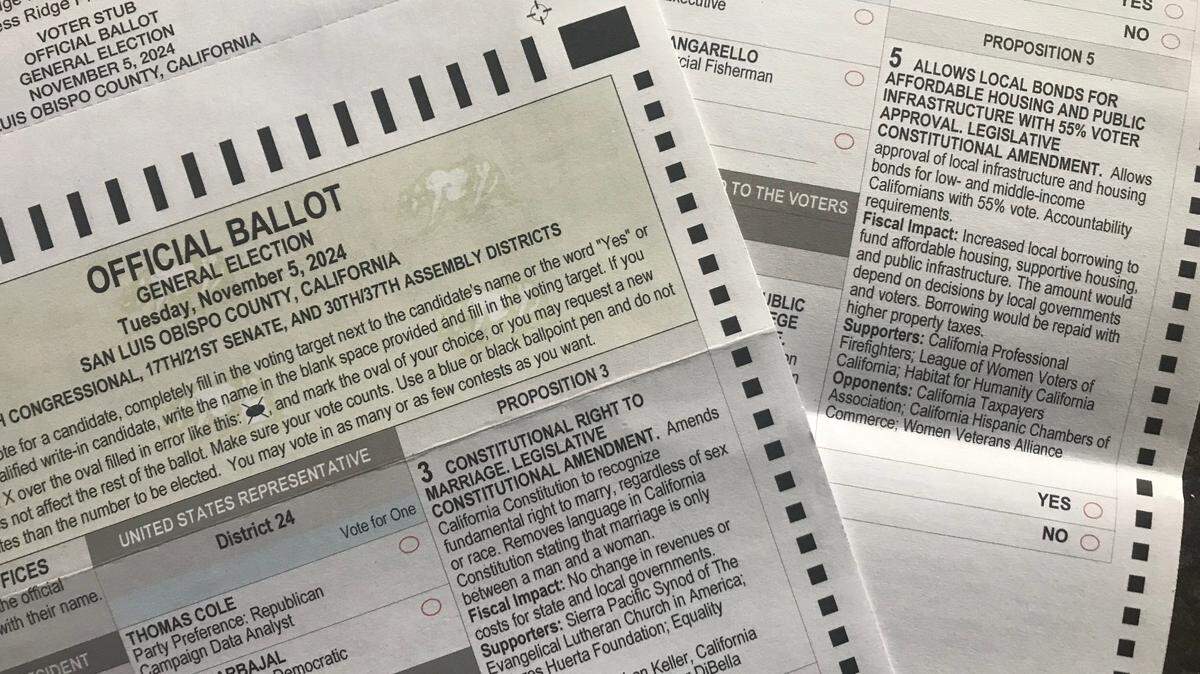
California voters narrowly rejected a proposal to increase California’s minimum wage to $18 an hour, according to the Associated Press. After weeks of tallying ballots, unofficial election results from the Secretary of State indicated that just over half of voters, 51%, cast “no” ballots on the measure.
In the two weeks since election day, the minimum wage measure very nearly earned majority support. But in the end, Proposition 32 supporters weren’t able to convince Californians to raise wages for the lowest-income workers in the state.
The current statewide wage floor of $16 an hour. Prop. 32’s passage would have immediately increased to $17 for businesses with 26 or more employees. Smaller companies will have to pay $17 an hour beginning next year.
The ballot measure, if passed, would have required those larger businesses to pay $18 an hour starting next year. Smaller companies would have until 2026 to make the jump.
The state has passed recent legislation to increase wages of some workers. Earlier this year, California set a new wage floor for fast-food workers at $20 an hour. A gradual increase in pay for healthcare employees will eventually guarantee workers a minimum of $25 an hour.
Past ballot measures that have put labor and business interests at odds in California have drawn huge amounts of money, said UC San Diego Political Science Professor Thad Kousser.
The fight over Prop. 32 was remarkably quiet — and cheap, Kousser noted.
A total of $1.8 million was raised by both supporters and opponents — the lowest amount of all the propositions on Californians’ ballots this year. For the most part, both campaigns opted for text messages and podcasts in lieu of television spots and mailers.
The minimal spending and few advertisements around the measure meant that many voters didn’t have preconceived decisions before encountering Prop. 32 on their ballots, Kousser said.
“This is a pure public opinion poll,” said Kousser.
Prior to the election results, Kousser said voters’ rejection of the minimum wage increase doesn’t mean California doesn’t support workers as it has done so in the past.
He speculated that the majority of voters are recognizing the recent minimum wage hikes and want to wait and see how they work. It’s not a new anti-labor era or backlash, he said.
This story was originally published November 6, 2024 at 1:37 PM with the headline "California voters to reject Proposition 32, the $18 minimum wage, by narrow margin."