
Spevak: Living like a monk while sheltering in place
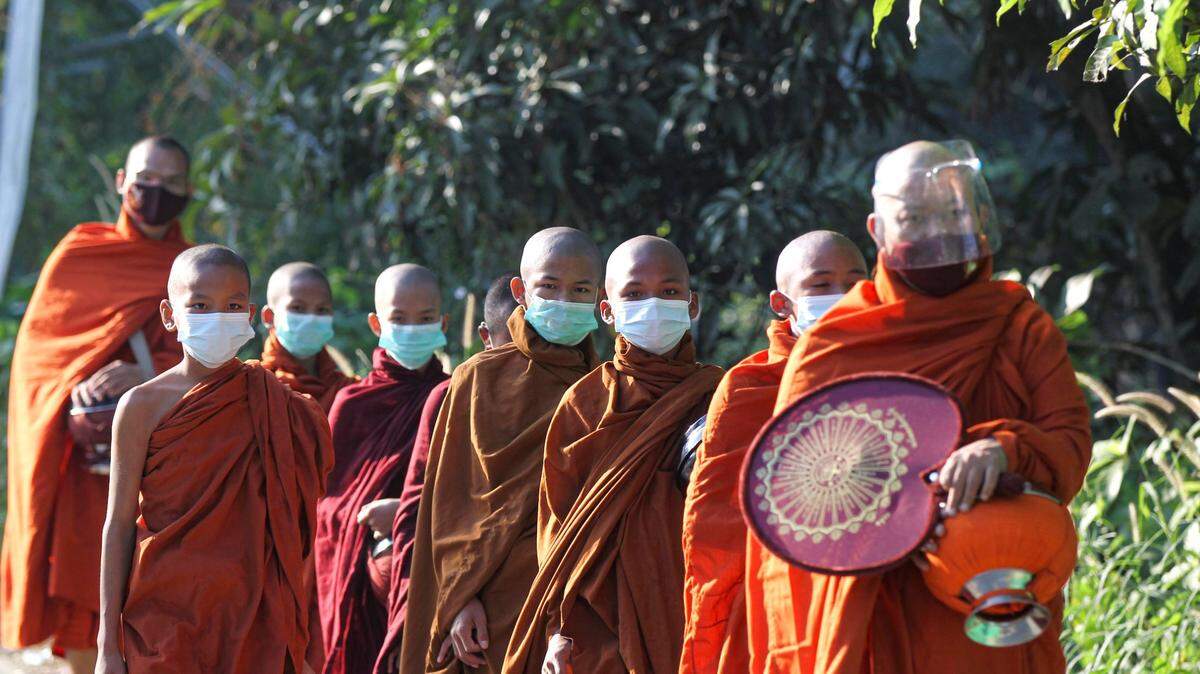
“Think Like a Monk,” a book published earlier this year, has been a New York Times best seller. This would’ve seemed strange in any other year except 2020, the year of the pandemic. This year it makes sense.
Most Americans have lived in what I would call “mini-monasteries” — also known as their homes, in which they’ve been sheltering. For many people, especially those without children, their homes have become places of monastic-like quiet and solitude.
That includes me.
Jay Shetty wrote “Think like a Monk” before COVID-19 infected our world. Born in England in 1987, he headed to India after college and became a monk. Later he returned to England and began to help people stressed by the hectic world of work. As the book’s cover states, he helped “by coaching them on well-being, purpose and mindfulness.”
I can relate to Shetty’s suggestion to “think like monk.” I feel many of my readers can also appreciate a monk’s sense of “well-being,” even those who have never seen, let alone visited, a monastery. With so much time on our hands while sheltering in place, we have been able, some would say “forced,” to live monk-like solitary lives.
Living in solitude is not always easy. For some it equates to loneliness and can lead to depression. But solitude can often lead to peace of mind and a sound perspective on the world.
I was fortunate to spend eight years of my life in the shadow of a monastery. Unlike the Hindu monastery (or ashram) where Shetty, a Vedic monk, lived, the monastery near me was Christian, specifically Benedictine.
The all-boys high school I attended was, in fact, in the shadow of two Benedictine monasteries, one for men across the street, the other for women (at that time called a convent) next door.
Many of my high school classes were taught by Benedictine monks who understood the world as well as the monastery. I had some wonderful priest-teachers who were well aware of the hormone levels of teenage boys but who gave us a perspective on life that went beyond sports, girls, partying and becoming materially successful.
For college I traveled across the street, closer to the monastery, where some classes were taught in the same building where the monks lived. Again, I was fortunate to have some terrific priest-teachers, especially Father Leo, whose enthusiasm for modern art, Russian literature and world literature was boundless.
The perspectives of the monks I knew have stayed with me throughout my life and have come in handy while sheltering in place, which I have done more than the average Los Banosan.
I have stayed inside my home a lot, in many ways out of respect for my wife Sandy, who has a strong spirit but a fragile body. Her immune system is not strong, so she is among the people doctors term “vulnerable” to COVID-19.
I haven’t interacted with many people during the last nine months because I didn’t want to take the chance of getting COVID and giving it to Sandy. So we have both sheltered in place vigilantly.
As a result, Sandy and I have stayed home a lot. And we have both been doing what Shetty recommends in his book—coincidentally, even before reading his book. Although Shetty’s experience was with Hindu spirituality, his ideas reflect centuries of monastic tradition in the Christian, Islamic, Taoist and Buddhist religions as well.
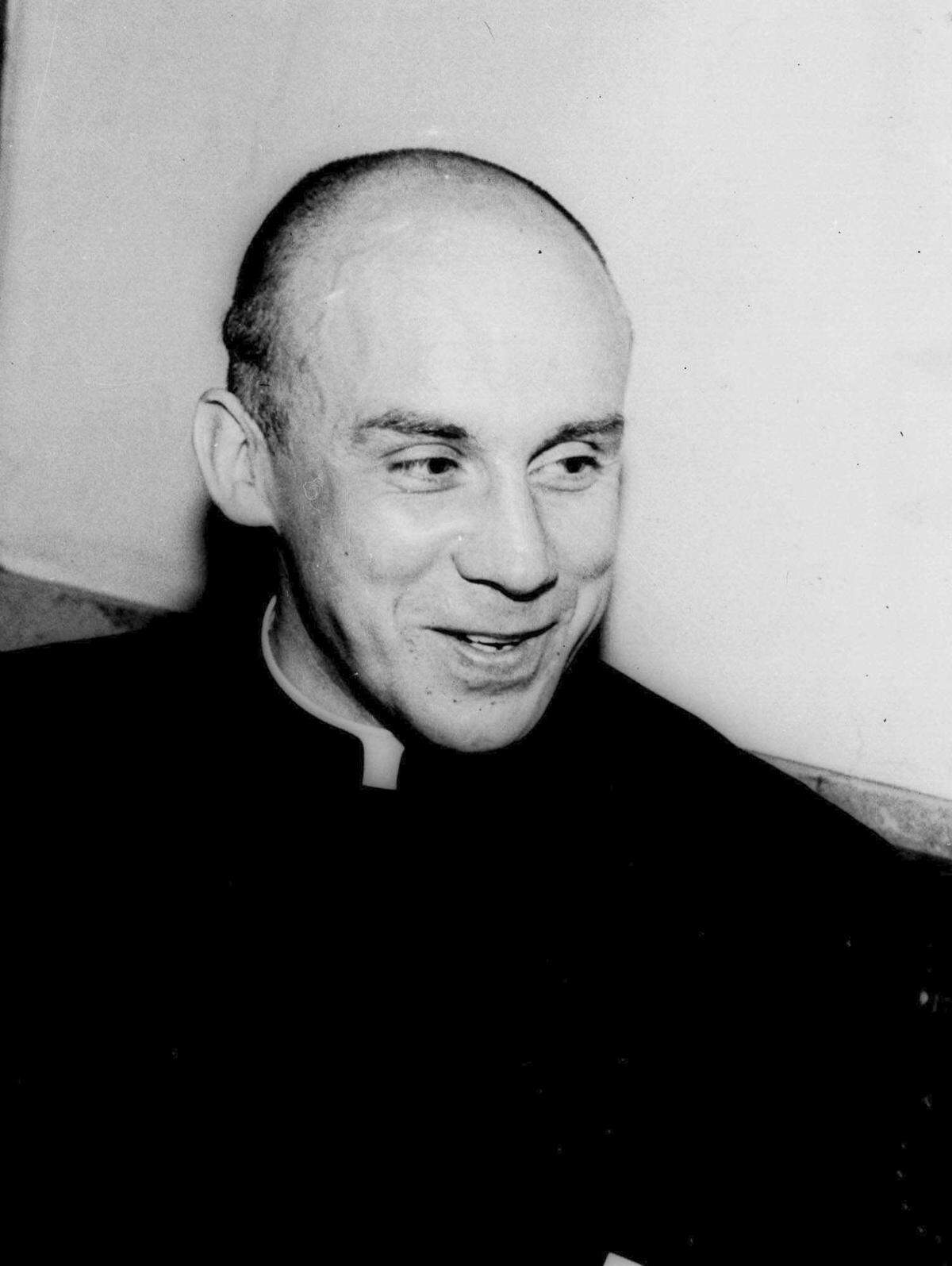
Thomas Merton, a Christian monk and author who died in 1968, was one of the first writers who showed me this interconnection of monastic traditions. Merton had monks as friends in Europe, India, Tibet and Japan, as well as the United States. He understood that monks from different religions have much in common.
Merton also understood how much monks have in common with ordinary people in the working world. Merton would have agreed in many ways with Shetty about principles which give life meaning, even when people are sheltered (some would say trapped) in their homes.
These principles are simple (but not simplistic). They include being grateful for what we have (and not envious of what we don’t), focusing on others (more than ourselves) and living a life of service (not self-gratification).
Monks tell us, and I believe they are right, that to live this kind of life we need to recognize an entity greater than ourselves. Believing in a divine being or essence (for Christians and Jews, God) enables us to have not only faith but hope, too, as well as the initiative to love.
As Sandy and I have sheltered in place, we, like many other Americans, have watched a lot of bad news. Like other Americans we need something to balance that bad news in order to find hope for ourselves and our future.
Monks would say we need to focus on the spiritual more than the material. With that focus we can find purpose as well as hope.
And so I encourage my readers to think like a monk while they essentially live like a monk. Even those of us who live in a house with a lot of noise (also known as kids) can find times when we can take a few deep breaths and reflect on what we want our lives to be.
The good news is that, unlike most professed monks, we don’t have to take vows of poverty, chastity and obedience (thank goodness). But we can try to feel what a monk feels when she or he is experiencing peace of mind.
This is especially appropriate when we’re about to celebrate Christmas, a time of good will toward all and peace on earth.
This story was originally published December 25, 2020 at 5:00 AM.