
Our View: New burning rules irksome, but will save lives
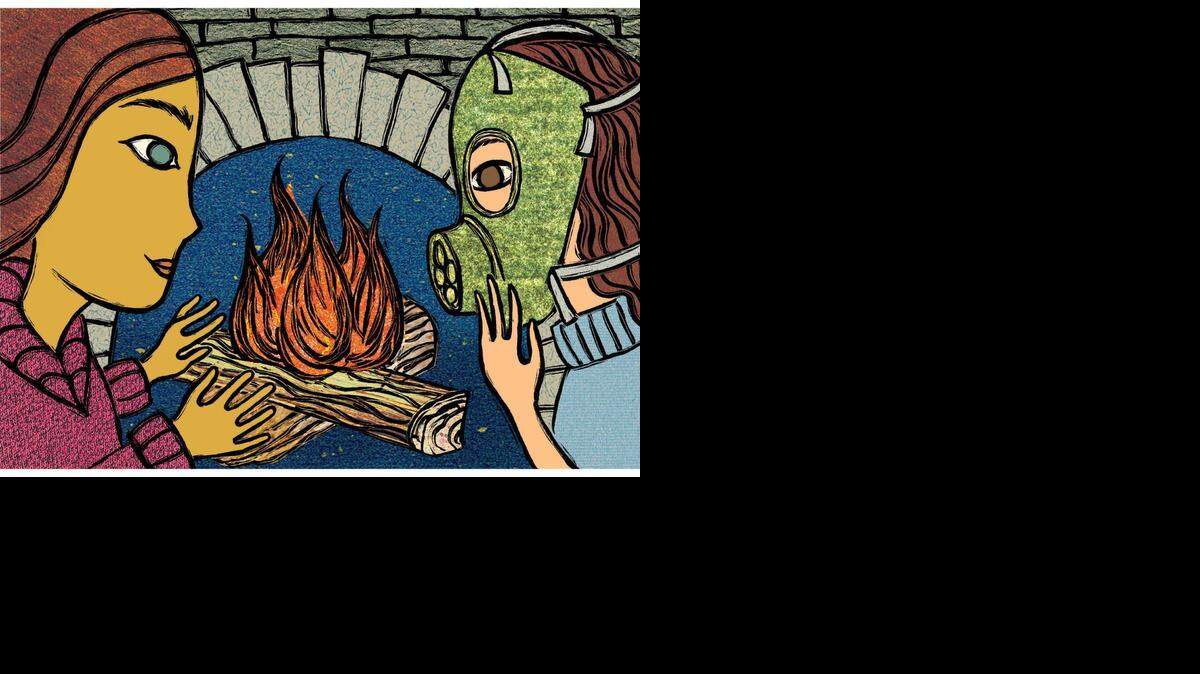
Who doesn’t love a crackling wood fire on a cold day? Answer: People with asthma, allergies and heart conditions.
So while many of us – if not most of us – love the smell of burning almond or oak and the sight of flickering flames, the right thing to do is to comply with the San Joaquin Valley’s new wood-burning regulations.
The new rules are expected to shut down most wood burning in fireplaces, older stoves and inserts from Nov.1 to Feb.28. These fireplaces and older heaters create more than 90 percent of the Valley’s soot pollution. The only exceptions during this time will be when a storm scours harmful pollution out of the air.
We wish the rules – some say they are the toughest in the country – weren’t necessary. But our Valley’s unique pollution-retaining shape and federal health standards leave us with no other options.
We live in the dirtiest air basin on the West Coast – even dirtier than Los Angeles. And soot is one of the most dangerous aspects of that dirty air. On winter days, soot can amount to about a third of the particle pollution in many of our neighborhoods. You can literally see it in the air.
Some folks are bound to be angry with the rule. They’ll view it as an infringement of their freedom – another example of California nanny-state politics. But if they think about a loved one coughing all winter or dying prematurely because hundreds of neighbors burn wood in the fireplace all winter, they might change their tune. It is that serious.
Good neighbors respect and support each other. Sacrificing the ambiance of hearth and logs is a small price for significantly improving somebody’s health.
The San Joaquin Valley Air Pollution Control District is backing the rules with a carrot-and-stick approach. Homeowners can get up to $1,500 for certified inserts, which can cost up to $5,000 or more. Applicants who qualify as low-income can get up to $2,500. Another $500 is available for those who are converting to natural gas, which is exempt from all restrictions because it burns so cleanly. That’s the carrot.
The stick is a crackdown on violators. Fines start at $50 and can climb as high as $1,000 for repeat offenders.
Oddly, Stanislaus County, nearer the supposedly cleaner north end of the Valley where there is more air flow, has some of the dirtiest air. Stanislaus residents can anticipate 70 no-burn days in the coming season. Neighbors San Joaquin and Merced counties have the cleanest air, according to the air board’s estimates. San Joaquin will have 53 no-burn days; Merced will have 55. The dirtiest air is in Fresno County (79) and Kern (73).
Regardless of this anomaly, the air board is serious – and it should be. The new rules could help thousands of people breathe more easily this winter and even save lives, district officials say.
One of those spared might be someone you know.
This story was originally published November 4, 2014 at 9:59 AM with the headline "Our View: New burning rules irksome, but will save lives."