
Merced County rural areas must get high-speed internet just like anywhere else in CA
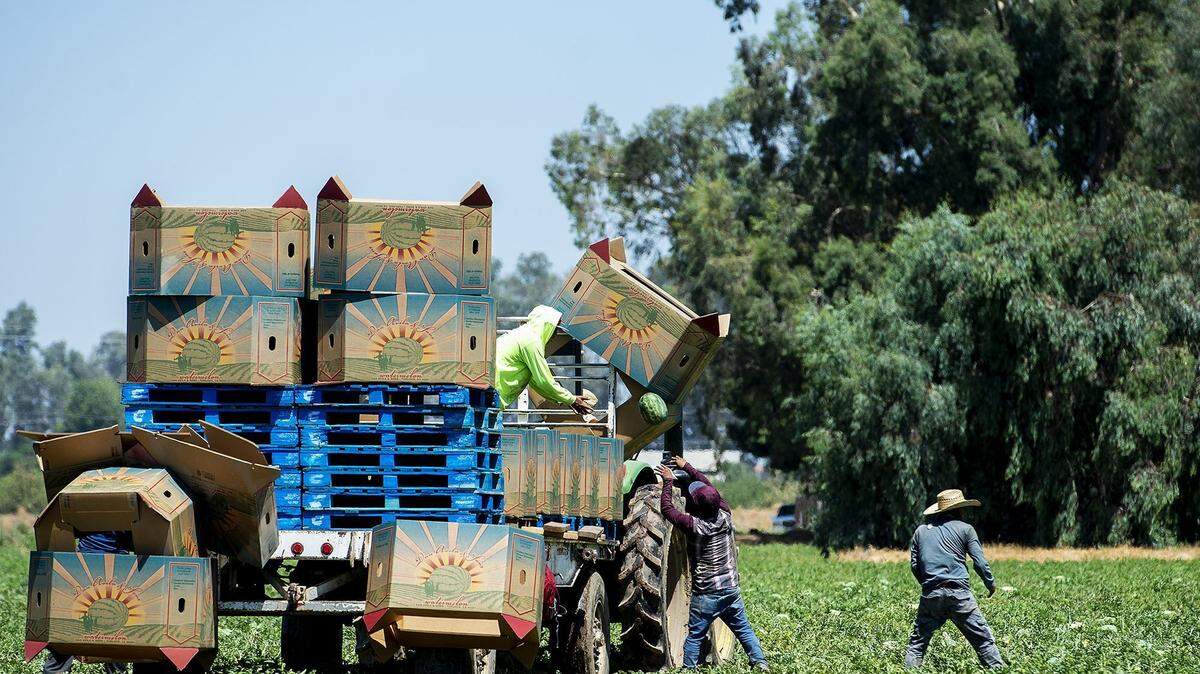
Broadband is as essential to farming as it is to any other industry. Internet connectivity is key for farmers looking to ship their goods, communicate with far-away markets, or find innovative farming techniques and technologies.
The pandemic made clear that rural broadband is a necessity, not a luxury, but far too many rural Californians are still without proper access.
While California’s recently pledged $6 billion investment in broadband is a historic accomplishment, there are some key areas where work remains to close California’s remaining digital divide once and for all. We believe, in its current form, SB 156 risks leaving a number of communities — particularly those who have been historically overlooked by the state — without broadband internet access, despite the massive amount of allocated funding.
According to recent data from the California Public Utilities Commission, nearly 10% of our population remains completely unserved without any access to broadband service. Twenty communities, such as San Lucas in Monterey County and Cowan Tract in Stanislaus County, remain 100% unserved at 25/3 Mbps.
Without changes, the state broadband plan does not guarantee that any of these remaining unserved residents will actually gain internet access. The risk is that rural communities and small businesses across the Central Valley and elsewhere could once again be left behind, even after the $6 billion is spent.
Proactive steps must be taken to ensure that these broadband funds actually reach the unconnected in our region and beyond. As the governor and Legislature approach the final weeks of the 2021 legislative session, it’s essential that they pass legislation that includes the following adjustments to SB 156 to make it the most effective policy possible.
▪ Prioritize unserved households by clarifying that any middle-mile network deployed must serve unserved locations. This proposal seeks to eliminate overlapping and conflicting middle-mile “priorities,” and instead focuses the middle-mile effort solely on areas where it is needed to connect unserved areas. Ultimately, it is in the state’s best interest to take advantage of current providers’ middle mile networks, instead of haphazardly pursuing middle mile projects where such infrastructure already exists.
▪ Leverage the power of public-private partnerships to deploy broadband to underserved consumers. This will help close what is known as the adoption gap — while 98% of Californians have access to broadband, only 64% have a service subscription. We can use these partnerships to complete middle mile projects where last mile connectivity is absent, and free up remaining funding to help make high speed internet more affordable to those with access in both rural and urban areas.
Rural Californians cannot be left behind any longer. The state cannot afford to have its agricultural powerhouses stuck on the other side of the digital divide. We have one opportunity to ensure broadband for all in our state, but we cannot do this unless we prioritize network investments for California’s hardest-to-reach communities. By amending some portions of SB 156, we can help ensure that unserved communities get the access they deserve and finally close the digital divide in rural California.
Breanne Vandenberg is the executive director of the Merced County Farm Bureau. Email: bvandenberg@mercedfarmbureau.org