Zoning changes will drastically impact Merced residents when they go to shopping centers
On Sept. 6, the City Council changed the zoning ordinance to allow up to 35 apartments per acre in neighborhood shopping centers and professional office areas. The zoning ordinance has allowed apartments by conditional use permit in commercial and office areas for years, and the change proposed by staff was explained as a “clarification” of what level of apartment density is permitted.
This “clarification” is a significant change to shopping center and office development. When the city designates an area as a shopping center or office park, the public and neighboring residents believe that retail shops or professional offices to serve them will develop there. This change to the ordinance betrays the public trust by fooling the public into believing shops and offices will be developed, but instead apartments are built.
.The provision for apartments in the zoning ordinance for shopping centers and office complexes did not specify the number of apartments per acre because it seems they were a minor “accessory” use of the shopping center to promote mixed land use development. An example is apartments on the second floor above shops. As amended, the ordinance will allow all vacant neighborhood commercial or office zoned land to be developed as apartments entirely or mostly. The safeguard against such proposed development may be seen as the requirement to obtain a conditional use permit before building apartments in commercial/office areas. A request for conditional use permit cannot legally be denied arbitrarily by the council. The fact that the use is listed as permitted with a conditional use permit means that the developer must be allowed to develop the use as long as he can fulfill all the conditions the city places on the development regarding access, height, parking, building arrangement, interface with neighboring uses, etc.
This zoning ordinance is a problem because it reduces the likelihood that vacant commercial land will be developed with businesses providing services and products for Merced residents. Merced is already behind in retail development compared to Turlock, a smaller city, with over 25 business brand names operating that do not exist in Merced. Retail sales tax is a significant source of funding for city government. The city needs more funding to improve services, yet this zoning ordinance change may reduce city revenues over time.
This zoning change is a problem because 35 apartments per acre is crowded and will foster designs that are unsafe, unhealthy, congested, and prone to deterioration/vandalism. Except for the Tioga apartments in downtown, there are no apartments in Merced this crowded. Apartments at such high density tend to be unsafe because they use long hallways with many apartments, that make it difficult for residents to get to know their neighbors and distinguish them from thieves and muggers. Such apartments tend to be unhealthy because they lack private outdoor space in the form of a balcony and adequate windows to allow cross ventilation and adequate sunlight into the unit.
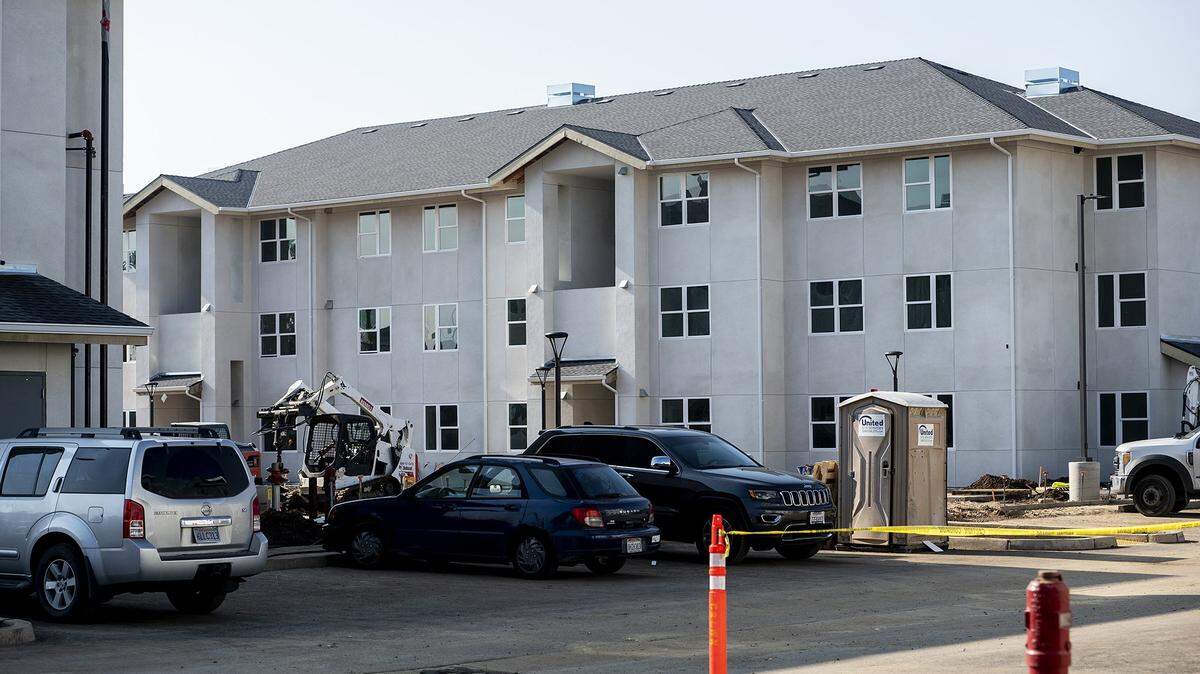
Some may think such a development will never happen in Merced even with this zoning ordinance change. But it is happening now. The six acre neighborhood shopping center under construction at McKee Road and Yosemite Avenue is based on the new principles . The development includes more than 190 apartments and a much smaller area for shops and offices. The neighbors strongly opposed this many apartments because they expected convenience shopping. The apartments are on each side of long hallways and some apartments are only eight feet wide and 30 feet long. Only council members Serratto, Shelton, Martinez and McLeod voted to approve the development.
This development seems to be driven by maximizing profit while reducing the quality of the living environment. The council approval seems to be driven by desperation to provide more rental housing and to cooperate with developers. The council approved in the last four years over 600 apartments to be built, but other factors such as finding investors to finance the construction of the apartments are delaying their development.
Shopping centers and office complexes need to be mainly for those uses. I recommend the council require that the floor area for business uses in a shopping center or office complex be more than half the total floor area of all buildings in that shopping center or office complex.