‘Fear of the unknown’: Use of anti-anxiety meds on the rise during coronavirus pandemic
Nicole Hernandez hadn’t had a panic attack since 2018, until the pandemic hit in March.
The Modesto woman quit her job driving for GrubHub for fear of exposure to the coronavirus and to be home with her children after schools closed.
Jenn, an Empire resident, is at times so consumed with worry about the future she loses interest in everyday activities like playing with her kids in the backyard. What’s more, her 6-year-old daughter’s sadness about school closing has turned to anger.
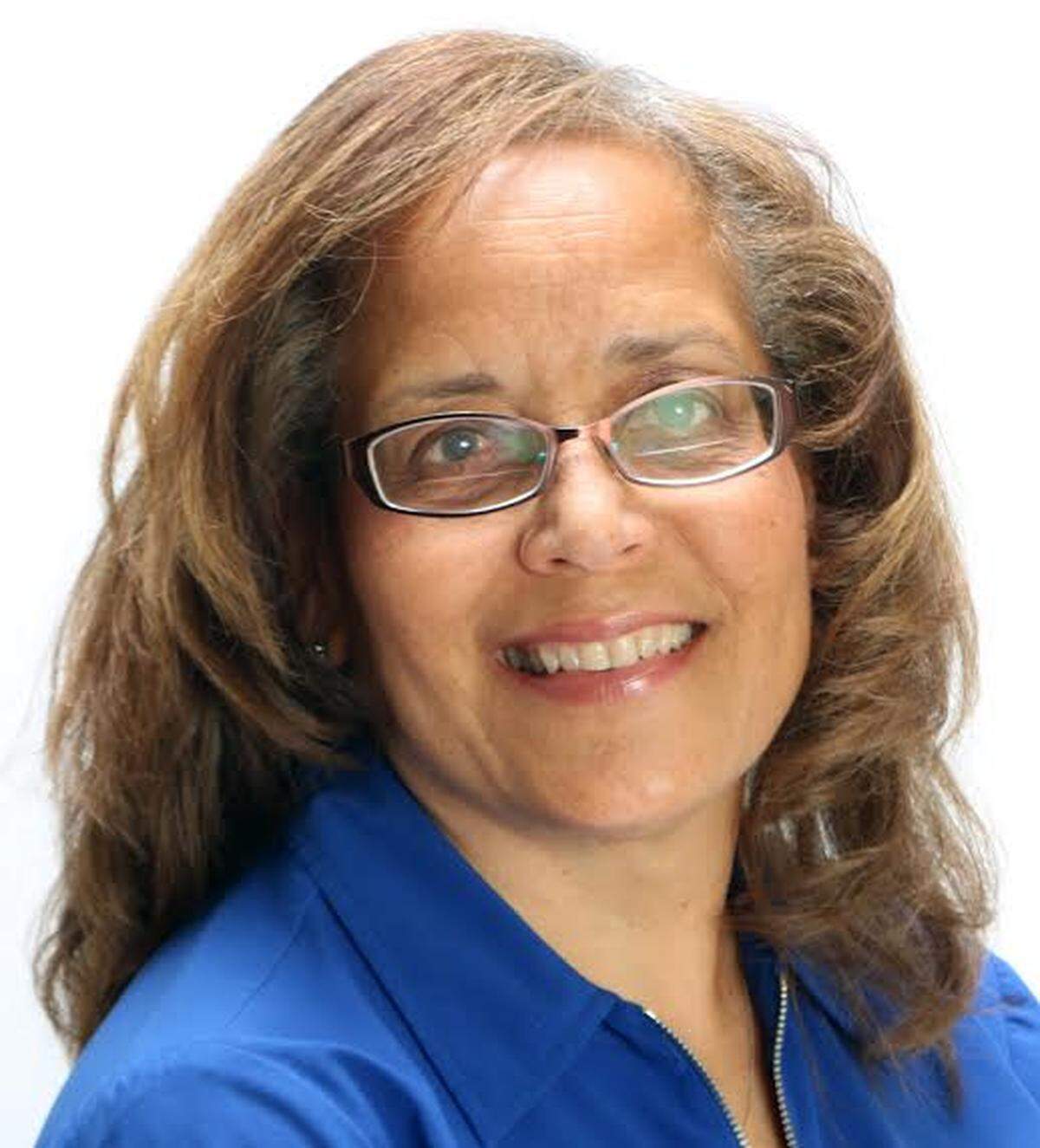
Lisa Dovichi-Braden, a Realtor from Modesto, said some days she doesn’t feel like getting out of bed. She dreads facing her empty office and she can’t do the things she normally enjoys such as lunch or shopping with friends.
The coronavirus pandemic and resulting stay-at-home order are having a big impact on mental health.
To get a better understanding of how the pandemic is affecting our community, The Bee surveyed readers. From May 1 to May 7, 91 men and women responded to the survey. About 77% said that COVID-19 has affected their mental well-being.
“It doesn’t matter who you are or what you do or anything in terms of social or economic status, you are being affected,” said Dr. Bernardo Mora, a psychiatrist at Stanislaus County Behavioral Health and Recovery Services, “What we know from disaster research and mental health in disasters is that emotional distress happens across the board.”
(Modesto-area residents share their thoughts)
According to recent research, the pandemic is causing strong negative emotions for most Americans and prescriptions for anti-depressants, anti-anxiety and insomnia medications have increased.
People fear contracting or unwittingly spreading COVID-19 and worry if they or loved ones will die. They are losing sleep over being laid off and paying bills. The social isolation of “stay-at-home” directives is fueling depression. And they are anxious about the uncertainty of the future and what life will look like when the country gets to other side of the pandemic.
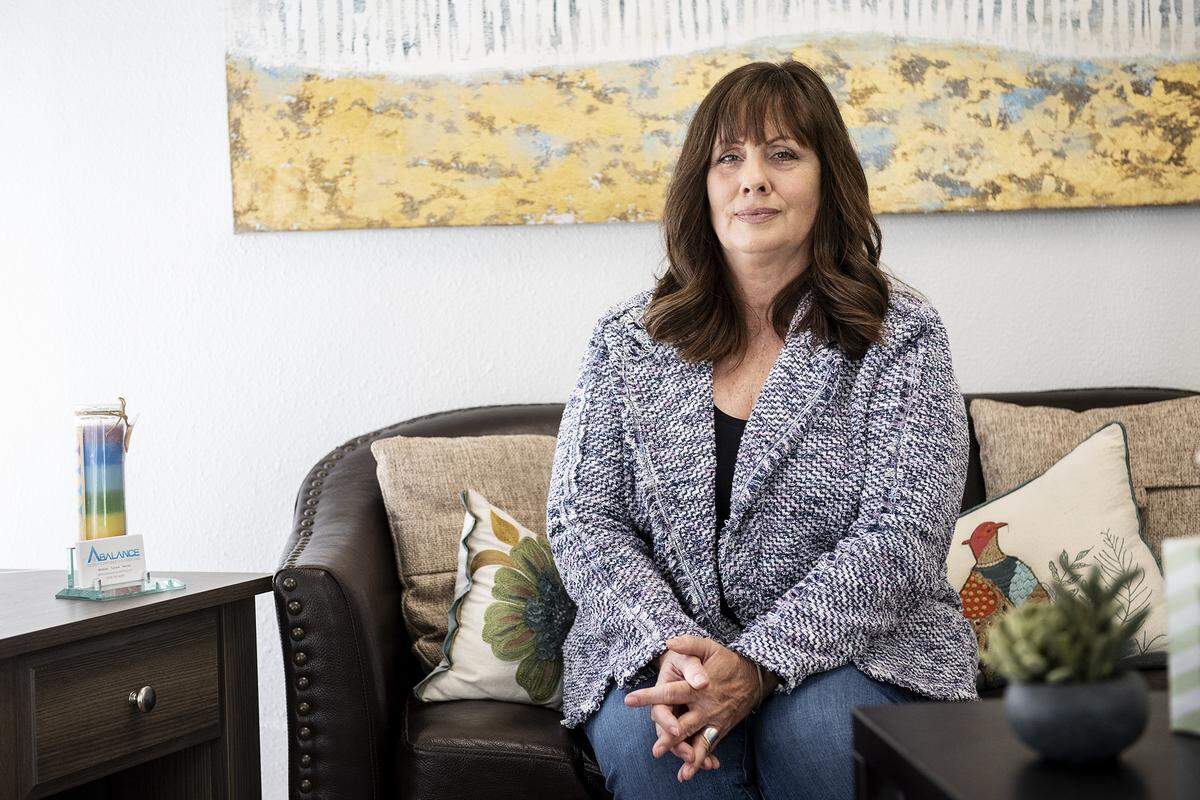
“This is new to a lot of people; for the first time, they may start feeling distressed,” said Valerie Lamke, a licensed marriage and family therapist with practices in Modesto, Turlock and Merced. “Others already had anxiety or depression, and (now) it’s worse.”
She said the pandemic for quite a few people has caused adjustment disorder, a stress-related condition caused by a major life event. It can make people feel hopeless, anxious and overwhelmed; have trouble sleeping or concentrating; and withdraw from friends and family or neglect responsibilities.
“The fear of the unknown feeds the anxiety and the feeling of helplessness feeds the depression,” she said.
Antidepressants, anti-anxiety, insomnia medication on the rise
More people are using prescription drugs to treat mental health conditions, particularly anxiety, according to an analysis by Express Scripts, an online pharmacy and prescription benefit manager.
They reported a 21% increase in the number of prescriptions filled per week for antidepressant, anti-anxiety and anti-insomnia medications from Feb. 16 to March 15.
Those numbers continued to climb by March 15, the same week the World Health Organization declared COVID-19 a pandemic and the U.S. declared a national emergency in response to the crisis. Data from April are not yet available.
During that peak week in March, 78% were first-time prescriptions and most of those were for anti-anxiety medication. The spike comes after an overall decline in the use of anti-anxiety medications since 2015.
Similar increases in psychiatric medications were found in an informal survey reported in an email to The Bee from the California Pharmacists Association.

Jenn, who asked that her last name not be used, said she got in contact with her psychiatrist, who increased the dose of her anti-anxiety medication. She began telehealth sessions with her as well.
Hernandez also reached out to her doctor, who prescribed a new medication for treating her anxiety and insomnia, which worsened when she had respiratory symptoms for three weeks before getting COVID testing. She was relieved when the test came back negative last weekend.
Anxiety and depression surge
Dovichi-Braden said she doesn’t fear the virus but rather the impact on the economy. Both she and her husband are self-employed and they already have had to dip into savings.
An extrovert and self described “hugger,” Dovichi-Braden said she longs for the social interactions she was accustomed to before the pandemic.
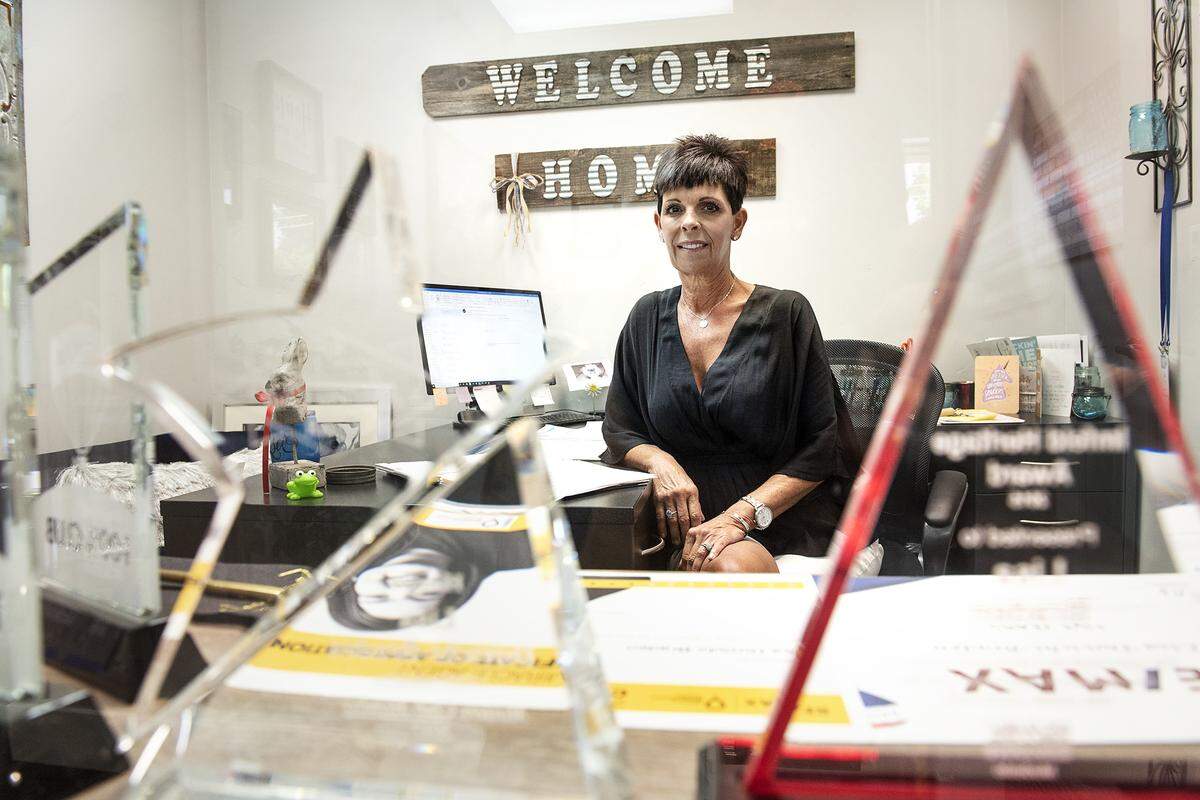
“I think everyone needs that physical contact and it is strange not to be able to shake hands with a client or hug someone,” she said. “When I see people, I want to look at them. I don’t want to look at a mask.”
Two-thirds of Americans surveyed by NORC at the University of Chicago for the Data Foundation reported feeling anxious, depressed, lonely or hopeless on at least one day during the third full week of April, when the survey was conducted.
In the NORC survey, 56% of men and 71% of women, nearly three-fourths younger than 45, reported having these distressed emotions.
The survey showed that many people are coping by reaching out to family and friends.
Staying connected with family and friends
Nearly two-thirds of NORC survey respondents said they are communicating with friends and family by phone or online basically every day, compared to 54% prior to the pandemic.
Hernandez said she uses FaceTime to talk to friends and family every day. She also does daily activities, such as crafts and movie times, with her children, 11 and 16.
Several respondents to The Bee survey wrote that they rely on their faith and church communities to cope with stress.
Catherine Cooper, a senior citizen in Ceres, said, “I pray at least once a day and do regular Bible reading. I’m a Jehovah Witness and we have weekly meetings by Zoom. It helps us stay connected.”
Ruben Imperial, director of Stanislaus County Behavioral Health and Recovery Services, said it is important to stay connected with family and friends not only for your well being, but theirs.
“If you know folks who in times past needed support, now is the time to go above and beyond and start making those calls,” he said.
In addition to staying connected, Imperial and Mora recommend getting out and exercising, maintaining a routine, keeping up with favorite hobbies or starting new ones, and taking breaks from the news coverage on coronavirus.
“The modern mental health system has not been through a pandemic,” said Imperial. “We are monitoring this closely.”
His agency serves people with serious mental illness, including assessments for involuntary psychiatric hold, because they may be a danger to themselves or others, are gravely disabled or a combination of these.
The number of adults and children having crisis evaluations has decreased substantially, but a higher percentage of people are requiring hospitalization. The data reflect the month from March 17 to April 17 compared to the same time period last year.
Imperial said while it is too soon to draw conclusions about the data, he does have concerns.
The 54% decrease in crisis evaluations of children coincides with schools closing in mid-March.
He said children are no longer around teachers and counselors who are trained to recognize a child in crisis and ensure they get help.
Of the 64 children evaluated this year, 56% were hospitalized compared to 32% last year, indicating that families may delay seeking care until symptoms are more severe.
Fear of contracting COVID-19 is also contributing to a delay in health care for people of all ages, according to the California Health Care Foundation.
Of the people hospitalized, 83% of children and 74.6% of adults, were placed on holds because they are in danger of harming themselves.
Disaster training for counselors
In response to the pandemic, county behavioral health officials have provided training in disaster crisis counseling for more of their clinicians, as well as faith leaders and nonprofit organizations.
The agency has also set up a “warm line” and assigned more staff to answer phone calls to assist people with mental health concerns.
Generally, individuals with mild or moderate mental illness can get access to care through their health plans, primary care doctor or community mental health provider.
Lamke said it’s important for everyone to find time for self-care, and for many therapy can be a big part.
“Treatment is learning how to cope with something they can’t change, then changing the things they can to mitigate what they’re feeling,” she said. “When people’s natural support system isn’t enough, it may be time to consider seeing a professional.”
Adopting some of these strategies might be beneficial, as the pandemic is expected to last longer than originally predicted. A vaccine likely won’t be available for at least 18 months, according to Dr. Anthony Fauci of the White House Task Force.
“COVID-19 is a stressor that is not going away yet, and the longer there is a stressor, the worse the outcome is for mental health,” Lamke said.
But, she said people are resilient and she believes most will adapt.
Resources for mental health assistance
Stanislaus County Behavioral Health and Recovery Services’ warm line is 209-558-4600.
Psychologytoday.com allows you to search for mental health professionals in your area and includes filters to identify providers who accept a particular insurance or specialize in certain areas like anxiety or substance abuse.
Call 2-1-1 for referrals to support services in your area 24/7 or visit 211.org
Contact your primary care doctor or health plan provider for a referral.
- The National Suicide Prevention Lifeline provides confidential assistance to anyone in crisis and their loved ones through a live chat and free 24-hour hotline: 800-273-8255.
Advice on coping
- For caring for children, the American Academy of Pediatrics advice to parents is to first take care of themselves, and for the kids: try to keep a routine, limit viewing the news, provide reassurance in age-appropriate language, and seek professional help if they have concerns.
- Self care includes exercise, spending time in nature, connecting with family and friends, prayer, meditation, journaling or talking to a trusted person about your problems.
This story was produced with financial support from The Stanislaus County Office of Education and the Stanislaus Community Foundation, along with the GroundTruth Project’s Report for America initiative. The Modesto Bee maintains full editorial control of this work.
To help fund The Bee’s children’s health and economic development reporters with Report for America, go to bitly.com/ModbeeRFA
This story was originally published May 12, 2020 at 4:40 AM with the headline "‘Fear of the unknown’: Use of anti-anxiety meds on the rise during coronavirus pandemic."