
‘Immunization rates are plummeting’ due to fear of coronavirus at doctors’ offices
Erica Enz didn’t hesitate to take her little girl, Clarke, for her 1-year-old vaccines in late March, when the coronavirus pandemic was hitting the area.
Since then, Clarke has had another vaccine visit and a sick visit at her pediatrician’s office.
The Modesto mother said she’s not afraid of going to the doctor to make sure Clarke is up to date on her vaccines.
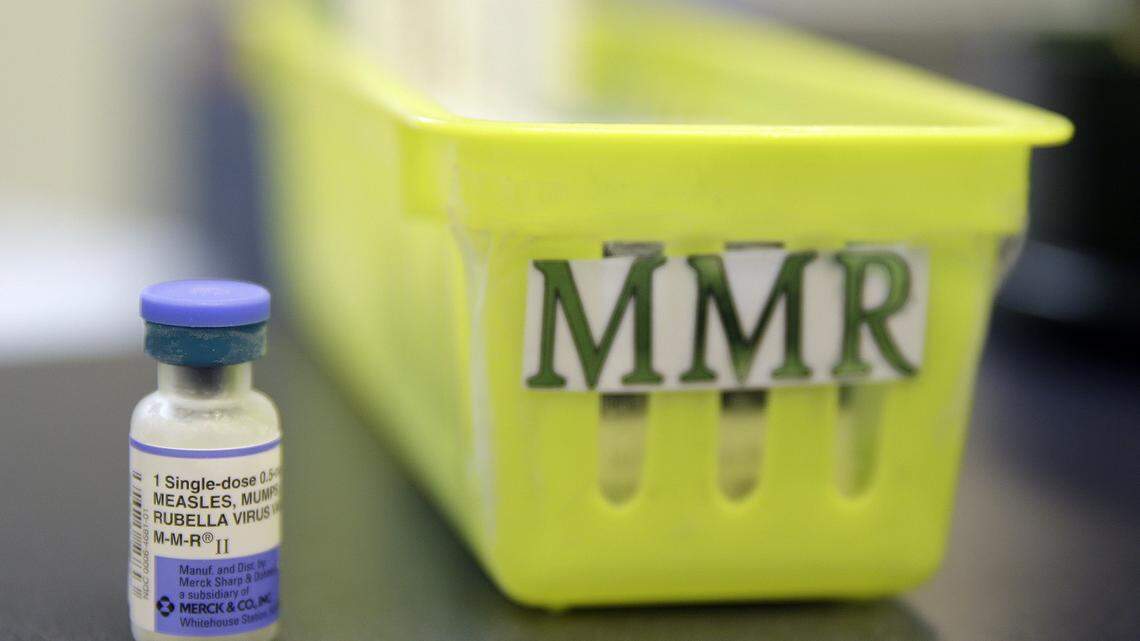
But, many parents are afraid of getting COVID-19 at doctors’ offices and their children are missing checkups and routine vaccinations. Immunization rates are free-falling in California, nationally and globally, fueling fear of outbreaks of vaccine-preventable diseases.
“Six to nine months from now, we could have outbreaks of diseases like measles and chickenpox,” Enz said. “I want her to be protected.”
Dr. Yasuko Fukuda, chairperson of the district of the American Academy of Pediatrics - California and a general pediatrician in San Francisco, said AAP doctors have a profound concern for the nationwide decline in the number of children receiving the recommended vaccines.
“The immunization rates are plummeting because parents are afraid to come in for well visits and sick visits,” Fukuda said.
She said the health of individuals and the community is threatened if the high rate of immunizations in the United States is sacrificed because of the COVID-19 crisis. The fallout could lead to global outbreaks of preventable diseases, such as measles, pertussis and meningitis, which are under control due to vaccinations.
In the fall of 2019 in Stanislaus County, nearly 96% of kindergartners were up-to-date on vaccinations, one of the highest rates in state. In 2017, the most recent data available, most of the vaccine-preventable diseases, other than influenza, were uncommon among children the county.
Decline in vaccinations and doctor visits
The number of visits to primary care providers declined by 64% since March 1, in a survey of physician practices in 49 counties in the state conducted by the California Medical Association.
The AAP recommended, in communities impacted by COVID-19, that pediatric clinicians prioritize newborn care and well-child visits for children younger than 2 years. This age group was emphasized because the kids are receiving their primary set of vaccines and may not have full immunity. Thus, they are more vulnerable to the diseases.
Despite that guidance, parents aren’t taking the children for their shots.
On May 8, the Centers for Disease Control and Prevention reported a decline in the orders of about 2.5 million doses of all pediatric vaccines, not counting influenza vaccines, since March 13, when the president declared a national emergency. Data were tallied from Jan. 7 through April 19 and compared to the same time period in 2019.
The CDC administers the federally funded Vaccines for Children program, which provides vaccines for about half of U.S. kids. To be eligible for VFC, youth need to have public insurance, be uninsured or be underinsured.
In California, the number of VFC vaccine doses decreased by 60% for infants, children and teens younger than 18 as recorded in the California Immunization Registry in April 2020, according to the California Department of Public Health.
These vaccines were purchased and distributed in the state through the VFC program, which provides immunizations for nearly half of the 9.26 million California kids.
No relationship in the drop in vaccinations and the number of COVID-19 cases in a county was observed, suggesting it wasn’t the virus causing the decline. Instead, parents have expressed fear of going to doctors’ offices.
“I have had parents tell me that they are afraid to come to clinic because they’re afraid to get the infection here,” said Dr. Elaine Soriano, north regional director for Golden Valley Health Centers. She is one of 12 practitioners at GVHC’s largest pediatric clinic, Florida Medical Group in Modesto.
She said initially in the pandemic, a clinician had only 10 to 15 children coming for well child checkups in a day, so they knew they had to reach out to parents.
Soriano said they proactively called parents of children younger than 2, the designated priority group, to be sure they came to appointments. GVHC instituted additional measures to ensure safety for patients, including use of personal protective equipment by the providers and limiting the number of people in the clinic.
“We segregated sites to reassure parents that it’s safe to come,” said Soriano. “Now each provider sees 20 to 24 children for well checkups (per day).”
Enz said her private practice pediatrician put additional measures into place, including doing check-in while they were in the car, then going directly into the exam room and having morning appointments for well children and afternoons for sick visits.
She said, “Everything seems more sanitized than ever.”
Pandemic poses risk to other infectious diseases
The dramatic drop in immunization rates is not just a problem in the U.S, it’s a global concern.
If the pandemic has taught us anything, it has shown that the health in one area of the world can easily affect the health of everyone.
UNICEF, the United Nations Children Fund, is fearful that vaccine-preventable diseases will skyrocket and ravage vulnerable children, especially those who are malnourished or living in war zones and destitute areas.
The organization works in 190 countries and territories to promote the rights, health and well-being of all children, and they procure and deliver immunizations to half of all of the children in the world.
“Since the pandemic, the rate of measles vaccinations have been affected,” said Emily Brouwer, northwest regional manager for UNICEF USA based in San Francisco.
Before the pandemic, globally only 86% of children had measles coverage, which is below the 95% necessary to avoid outbreaks.
Brouwer said that global UNICEF workers are still functioning as best as possible under the “shelter-in-place” orders. However, the organization works with governments to deliver vaccines. With the pandemic, most countries had suspended mass polio campaigns and 25 countries have postponed mass measles campaigns, leaving millions of children at risk for these infections.
Brouwer said even though UNICEF does not distribute vaccines in the U.S., the agency is concerned about the anti-vaccine movement in the U.S. and they actively participate in advocacy campaigns for vaccines.
In California, anti-vaccine supporters contributed to measles outbreaks due to pockets of communities with low vaccination rates, including an outbreak of 73 cases in 2019. Measles cases anywhere could again led to an outbreak in the state.
Dr. Fukada said the AAP is making it a priority to immunize children younger than 2, but other vaccine visits are also important, including the pre-kindergarten visit for the measles-mumps-rubella and DTaP boosters, as well as for middle school and college kids vaccinations.
Both Drs Fukuda and Soriano noted that higher rates of complications occurred in children with COVID-19 and a concurrent infection with another pathogen.
“Co-infection with COVID is very detrimental,” said Soriano. “Immunization is the best way to prevent and protect against these diseases. ... Preventing these diseases may save their lives.”
This story was produced with financial support from The Stanislaus County Office of Education and the Stanislaus Community Foundation, along with the GroundTruth Project’s Report for America initiative. The Modesto Bee maintains full editorial control of this work.
To help fund The Bee’s children’s health and economic development reporters with Report for America, go to bitly.com/ModbeeRFA
This story was originally published May 11, 2020 at 5:00 AM with the headline "‘Immunization rates are plummeting’ due to fear of coronavirus at doctors’ offices."
