
California’s new $5 billion industry: Marijuana is booming. Is the state holding it back?
READ MORE
California’s Growing Cannabis Industry
Cannabis business boomed during the pandemic — really, ever since California legalized recreational marijuana — but industry insiders warn a familiar cluster of obstacles is holding back entrepreneurs even amid the tremendous growth of the past two years.
Expand All
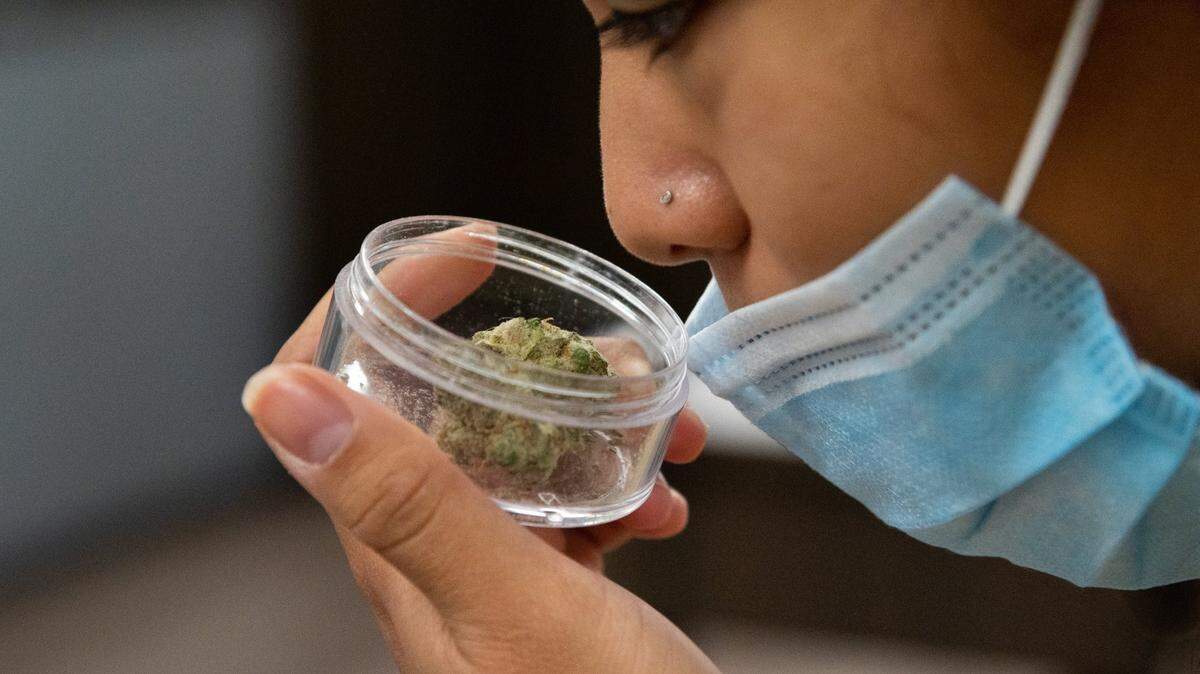
California’s new $5 billion industry: Marijuana is booming. Is the state holding it back?

Weed is legal in California, but you can still get in trouble. Here’s what you should know
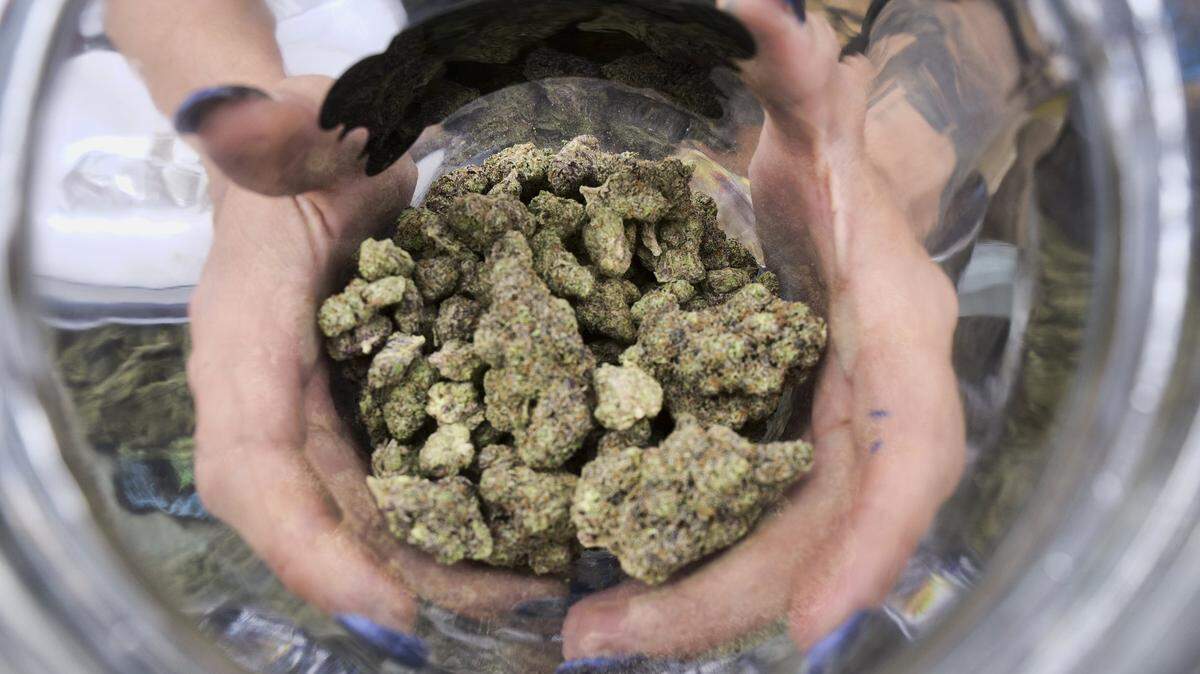
Access to California’s legal cannabis industry is a luxury that must change
Weed near you: Check out this list of Sacramento-area cannabis dispensaries
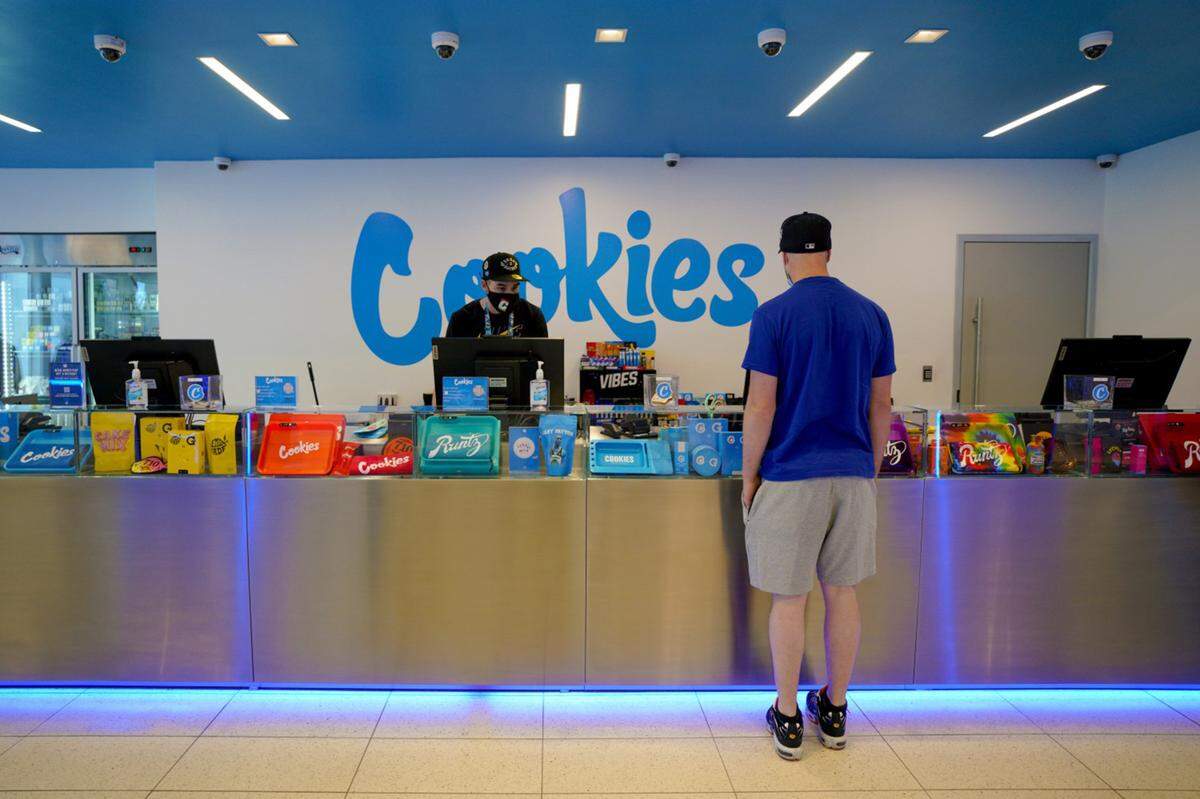
On the busy days, a choreography is on display at Perfect Union’s El Camino dispensary.
A dozen or so budtenders bustle on and off the brightly lit sales floor, resupplying their cache of flower, tincture and edibles. They call out orders for curbside pickup and chat with customers who are lined up and waiting, sometimes a half-dozen or more at a time.
It’s like a restaurant’s lunch rush. More days are starting to feel this way.
“It’s the people,” said Jared Elarmo, the dispensary’s general manager, referring to the Sacramento shop’s vibrant atmosphere. “We want the place to be like Cheers, where everyone knows your name.”
The scene at Perfect Union reflects the emergence of California’s marijuana industry five years after voters legalized recreational cannabis. Jobs are easy to find, especially in retail and delivery.
.JPG "PERFECTUNION_20211022_PK_POT_741 (4).JPG")
Tax revenue is pouring into state coffers, with quarterly cannabis tax collections climbing by 26% in the second quarter of this year compared to the same quarter in 2020.
And retailers like Perfect Union see a bright future. It’s attracting a customer base that continues to grow as the days of crowded storefronts in industrial parks give way to a new way of doing business.
“I think we’re gonna continue to see growth,” said David Spradlin, Perfect Union’s founder. “People are still finding their way in, and people are getting curious about cannabis as it gets normalized.”
Business boomed during the pandemic — really, ever since California legalized recreational marijuana — but industry insiders warn a familiar cluster of obstacles is holding back entrepreneurs even amid the tremendous growth of the past two years.
Many local governments are still reluctant to issue cannabis licenses. Out of 482 cities in California, 174 allow some kind of licensed cannabis business, with many allowing only non-retail businesses such as manufacturing and distribution, according to Hirsh Jain of Ananda Strategy, who studies cannabis trends in the state.
That leaves cannabis retail deserts, where consumers can have marijuana delivered to their door from an online vendor but can’t spend money at a shop.
“There’s a lot of money that’s being left on the table that could be used for community priorities,” said Elizabeth Ashford, vice president of communications for the marijuana delivery service Eaze, referring to the revenue from cannabis taxes and fees that cities could put to use.
High cultivation taxes also have growers paying the state before they can make a sale. Advocates have proposed rethinking California’s tax structure for cannabis. As is, California taxes marijuana three times: the cultivation tax that growers pay, a 15% excise tax on retail purchases, and sales tax.
And California’s illicit market continues to compete with licensed growers and sellers. Those illegal operators don’t pay or charge tax. That unlicensed market last year earned about double the revenue of California’s regulated industry.
Earlier this month, state Attorney General Rob Bonta highlighted the annual haul from the state’s illegal marijuana eradication campaign. The state seized 1.2 million plants, a record since voters legalized cannabis.
Jerred Kiloh, president of the United Cannabis Business Association, which lobbies on behalf of cannabis retailers in the state, called such enforcement efforts “a drop in the bucket” that fails to get at the heart of the issue.
“It just doesn’t make sense that we put all this money, time and effort into the whack-a-mole style,” Kiloh said.
Hiring in COVID pandemic
But at Perfect Union on a busy Friday, one of the biggest challenges resembled one so many retailers and restaurants encountered if they managed to stay open through the worst of the COVID-19 pandemic: keeping a full staff.
Perfect Union had 47 job openings at one point last year. Like all other businesses, the company was navigating California’s stay-at-home orders and workplace safety rules across 11 locations while also making sure patients could get their medical marijuana orders filled.
.JPG "SAC_20211022_PK_POT_541 (1).JPG")
The company, whose employees are members of the United Food and Commercial Workers International Union, gave workers hazard pay. The spacious sales floor made social distancing possible. Delivery services ramped up. The curbside pickup option is here to stay, too.
Most of the job vacancies have been filled, Spradlin said.
In a distinctly “very, very weird” time for hiring nationwide, Spradlin said, the goal is to hire good people, give them benefits and try to keep them for the long haul. Pay for budtenders after a probationary period is $17.25 an hour, with benefits and room to grow. He’s still hiring for about a dozen positions, including a community relations post that starts at $25 an hour.
“I didn’t want this to turn into a fast food-type gig where it’s just like a lily pad for the next best thing,” he said. “I wanted people to come and stick with us.”
A snapshot of legal weed in California
Californians in 2016 voted to legalize adult-use marijuana. In 2018, the state began issuing licenses in that industry.
The promise of Proposition 64 — which legalized recreational weed in the state — was that it would provide a mechanism to move the cannabis industry out of the shadows and into the legal market, creating thousands of jobs and bringing in billions in new state and local revenue.
Tax revenue is climbing — California collected $333 million in total cannabis taxes in the second quarter of 2021, up from $264 million in the same period last year, according to the California Department of Tax and Fee Administration.
A search of the Department of Cannabis Control’s online database reveals there are a little more than 12,000 active cannabis licenses in the state of California. That includes retailers, cultivators, manufacturers and distributors.
In 2020, California added more than 23,000 full-time equivalent legal marijuana jobs, more than any other state where cannabis is legal, according to the website Leafly. The publication estimated about 57,970 people worked in California’s legal cannabis industry last year.

That includes thousands of union jobs, with the United Food and Commercial Workers representing cannabis workers at dispensaries and growing and cultivation facilities across the state.
Many of those are in cannabis delivery, with companies like Eaze looking to hire more drivers right now. At Eaze, a driver can make upwards of $30 an hour between wages, tips and mileage reimbursements, depending on the area, according to the company’s website. All Eaze drivers are W-2 employees, not gig workers, and full-time drivers get benefits, Ashford said.
A search of job website Indeed.com reveals that delivery driver jobs in the Sacramento area start at around $15 an hour, plus mileage and tips.
Legal, taxable cannabis sales topped $4.2 billion in 2020, nearly double the amount of the year prior. Jain, the industry consultant, projects that cannabis sales will top $5 billion in 2021, growing to $7 billion by 2023 and close to $10 billion by 2025, as more cities open up to the industry.
But at least for now, the illicit market pulls in more cash than what the state sees through licensed businesses. Illicit cannabis operators post an estimated $8 billion in annual sales, according to the website MJBizDaily.
“The challenge is the vast majority of the market is going through the unlicensed market,” Ashford said. “It’s very hard to keep a licensed cannabis business up and running.”
‘The tale of two industries’
How the cannabis industry is doing depends on which part of the industry you’re talking about, said Jim Araby, director of strategic communications for UFCW Local 5, which represents cannabis workers predominantly in the Bay Area.
At the back end of the supply chain, the industry is struggling with overproduction of marijuana, he said. Unregulated cannabis is flooding the marketplace, suppressing prices.
That, combined with a flat cultivation tax of $9.65 per dry-weight ounce for cannabis flower, $2.87 per dry-weight ounce for cannabis leaves and $1.35 per dry-weight ounce for fresh cannabis plants, means retail demand is down and growers are struggling to make a profit, Araby said.
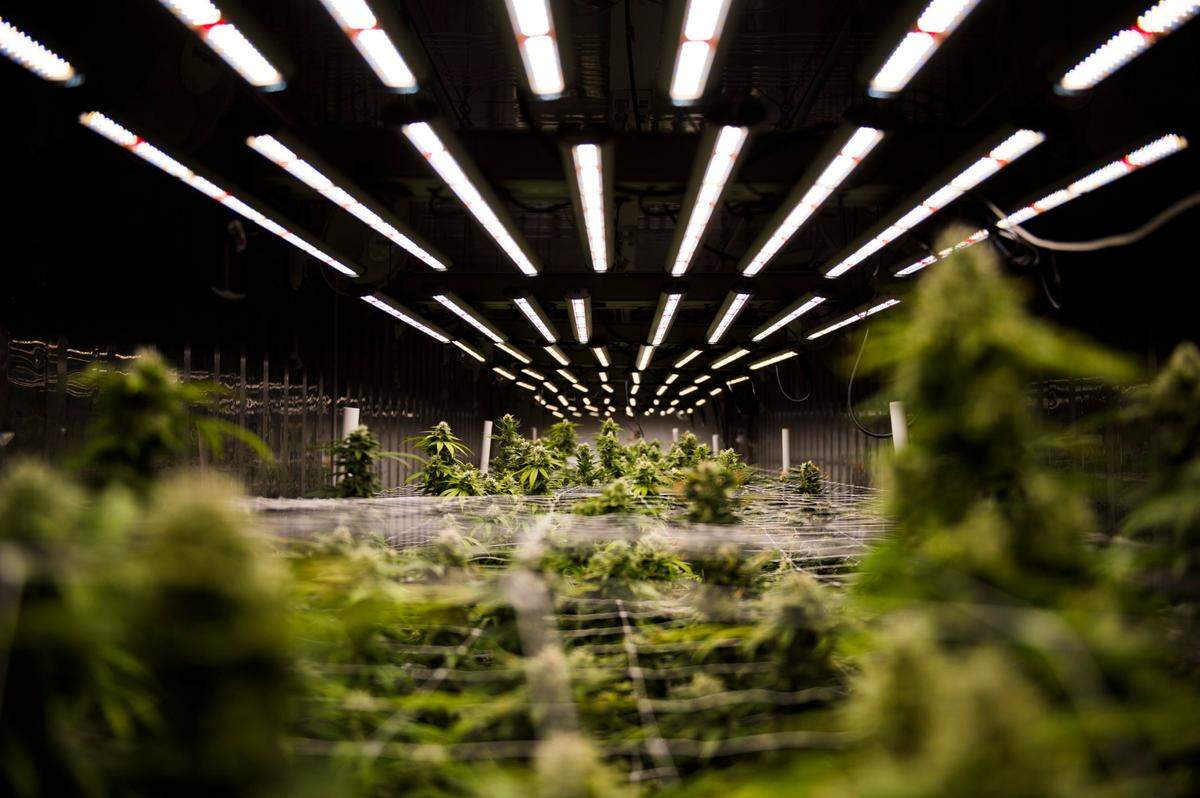
With some licensed growers struggling, Araby said, jobs are harder to come by in cultivation.
“I think we’re all hoping for an increase in demand, but that’s a lot of product on the market,” Kiloh said.
Conversely, cannabis retailers can’t hire enough people, Araby said. The cannabis retail industry is being hit by high employee turnover, and so many retailers are hiring.
“It’s kind of like the tale of two industries,” Araby said.
About a year before the pandemic, Perfect Union transformed its El Camino Avenue warehouse that had long been home to another marijuana dispensary, River City Phoenix. It traded the shoulder-to-shoulder counters and dim corner-office vibe for a modern and bright, sprawling showroom.
The original space is still there, buried in the warehouse through a maze of hallways. It might become a training space for new budtenders, said Elarmo, the general manager. For the time being, it’s a reminder of how much has changed, how far things have come.
He called the old space a “time capsule,” a testament to the dispensary’s “adolescent phase.”
As he walked back toward the sales floor, he added one more thing.
“We’re growing up.”
This story was originally published October 27, 2021 at 5:00 AM with the headline "California’s new $5 billion industry: Marijuana is booming. Is the state holding it back?."