
Marijuana is legal in California. Why is one county holding up grow licenses?
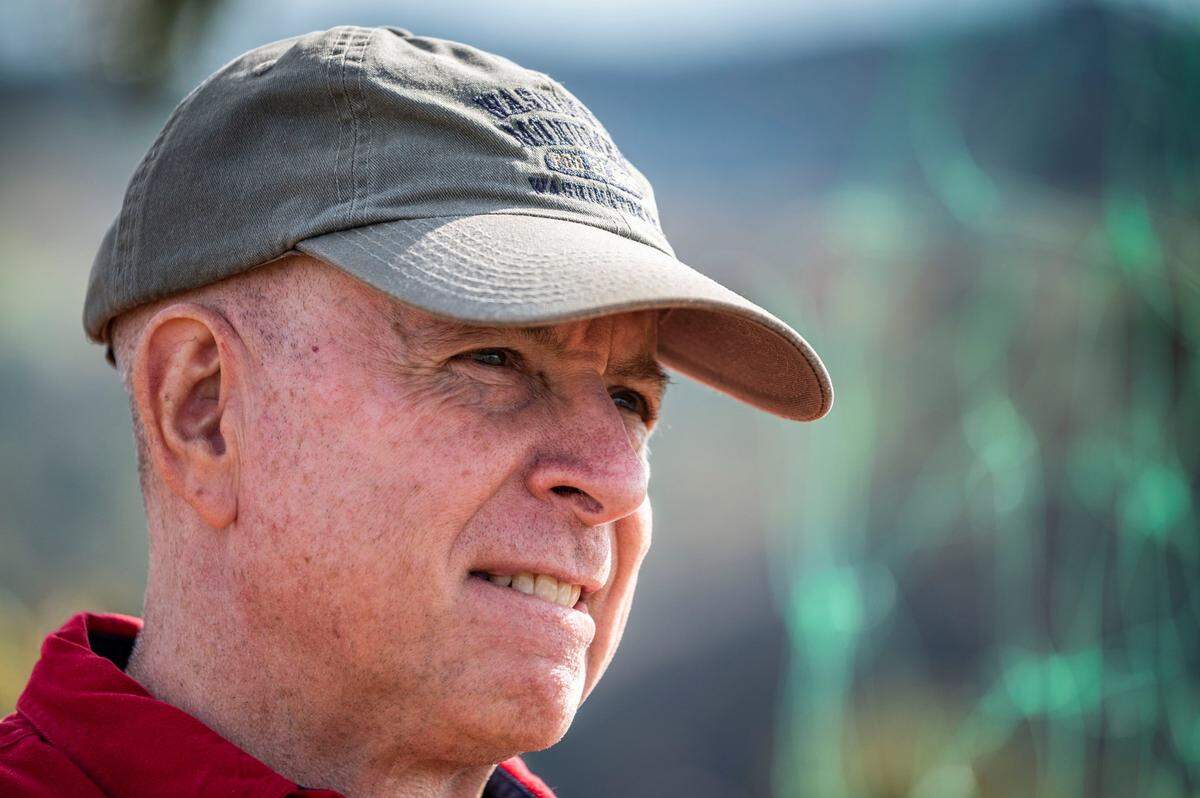
Lee Tannenbaum sought to trade the hustle and bustle of the high tech industry for the life of a cannabis cultivator in rural El Dorado County about two years ago.
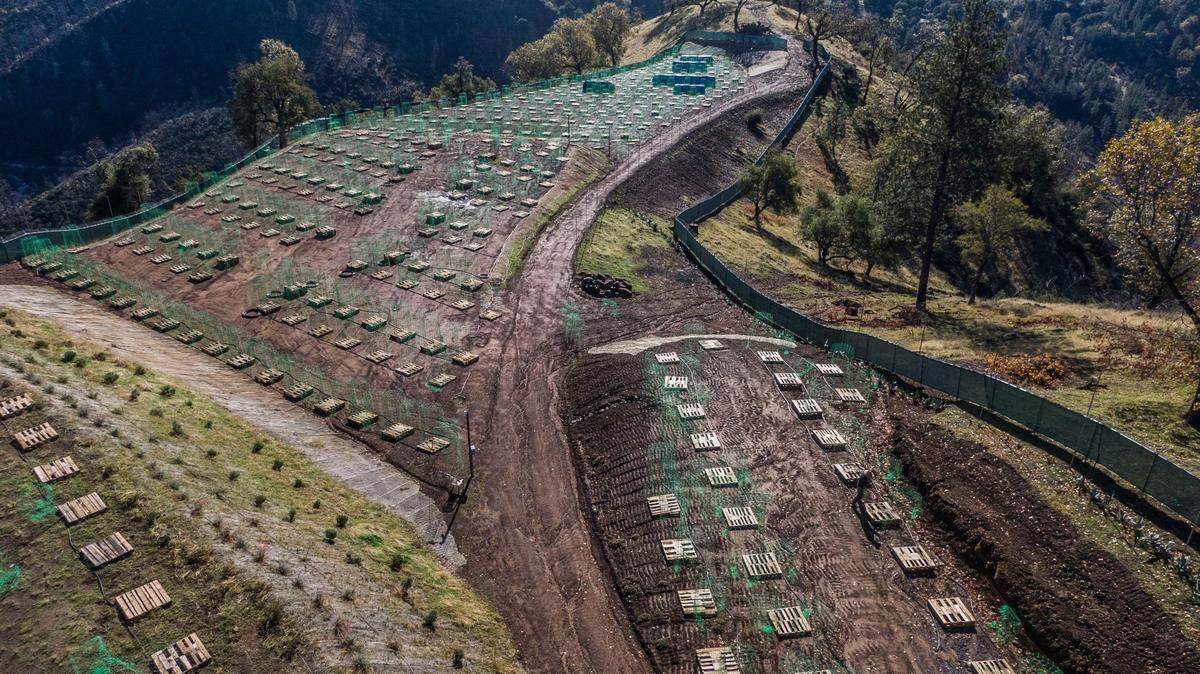
He spent millions of dollars on the process, purchasing land and going through the licensing process with hopes of being the county’s first cultivator.
But his application has not advanced past the El Dorado County Sheriff’s Office, which is holding up cannabis growing licenses in a disagreement over how to conduct criminal background checks.
“I effectively can do nothing because the county will not allow it until I get through the process,” Tannenbaum said.
Sheriff John D’Agostini’s office has a small, but critical role in the licensing approval process: it must review an applicant’s criminal history and make a recommendation based on that information.
So far, D’Agostini has not approved any outdoor cultivation applications. He’s seeking access to a federal and state crime database before allowing any grower license to move forward, according to the county website.
While the sheriff’s office awaits federal background check approval, he is offering an alternative background check process which growers are resisting as too invasive of their privacy.
Growers are asking the county to rethink the background check. They also say they’re preparing to sue the county, a threat that local officials are taking seriously.
“This is the one little piece that we’re missing,” said Rod Miller, executive director of the El Dorado County Growers Alliance, which represents cannabis cultivators in the area.
“It should take him about an hour to do the work,” Miller said.
According to the El Dorado County Planning and Building Department, 10 outdoor cultivation license applications are in the queue awaiting processing. Tannenbaum said he was the first person to apply for a cultivation permit in the county.
D’Agostini’s office declined to comment for this story, citing “multiple threats of lawsuits on this topic.” The county did not return a request for comment by deadline.
El Dorado voters backed cannabis initiatives
When Californians voted in 2016 for a ballot initiative to legalize adult-use cannabis, advocates of the initiative argued that cities and counties would maintain local control over whether cannabis could be cultivated or sold in their jurisdictions.
Now, local governments are taking their own approaches to the process, such as how to handle criminal background checks for applicants or how to approach environmental reviews, a common challenge for rural counties dealing with a high volume of applicants.
“We have found that local cannabis regulations look different in every jurisdiction, and each jurisdiction has unique challenges specific to their local adopted program,” said Sarah Dukett with the Rural County Representatives of California.
El Dorado County joined the ranks of counties allowing cannabis operations after voters approved a set of local initiatives in 2018. Part of that approval hinged on the ability of the sheriff’s office to be able to conduct criminal background checks on applicants.
For its part, the sheriff’s office has sought to obtain approval from both the California Department of Justice and the FBI to use the Live Scan criminal history database to conduct the checks. The sheriff’s office thus far has been unable to get approval for the Live Scan program.
In lieu of that, the county has developed a background check questionnaire for applicants to fill out.
James L. Brunello, an attorney for the El Dorado County Growers Alliance, wrote in an Oct. 11 letter to the El Dorado County Board of Supervisors that the questionnaire “is both extensive and invasive.”
Everyone classified as an “owner” — which includes anyone with an ownership interest, shareholders, financial interest holders and even employees who earn a commission, according to Brunello — must complete this background check, as must their spouses.
According to Brunello’s letter, the background check goes beyond disqualifying criminal convictions to ask the applicant whether they have been investigated for committing a criminal act, even if it did not lead to a conviction. The background check also demands to know whether the applicant has used illegal drugs, failed to make child support payments or resigned from a job in lieu of being fired, according to Brunello.
“The cannabis permitting process in El Dorado County is broken. The process in place today exposes the county to potential liability for violations of the right to privacy, undermines the will of the voters and deprives the county of the revenue stream from cannabis taxation to enhance the county’s general fund for everything from law enforcement to pot hole repair,” Brunello wrote.
Costly delay for marijuana grower
Tannenbaum, a U.S. Army veteran who lives with his wife in El Dorado County but , said that he is being treated as if he is guilty until proven innocent by the sheriff’s office and its demands.
“I’m not the ideal druglord. I’m a frigging business guy,” said Tannenbaum, who works as a sales executive in the tech industry.
He said that without the cultivation license, he’s unable to hire employees or build his business.
He said that the delay in the application process is costing him $4 million a year in lost anticipated revenue after expenses and taxes. Tannenbaum said he’s invested upwards of $2 million in the application and buildout process.
“I expected it to be trials and tribulations,” he said. “We’ve been able to work through all of them with the exception of Sheriff John D’Agostini and his sheriff’s office here.
This story was originally published November 15, 2021 at 5:00 AM with the headline "Marijuana is legal in California. Why is one county holding up grow licenses?."