
5 wild animals you may spot on a Northern California hike — and how to stay safe
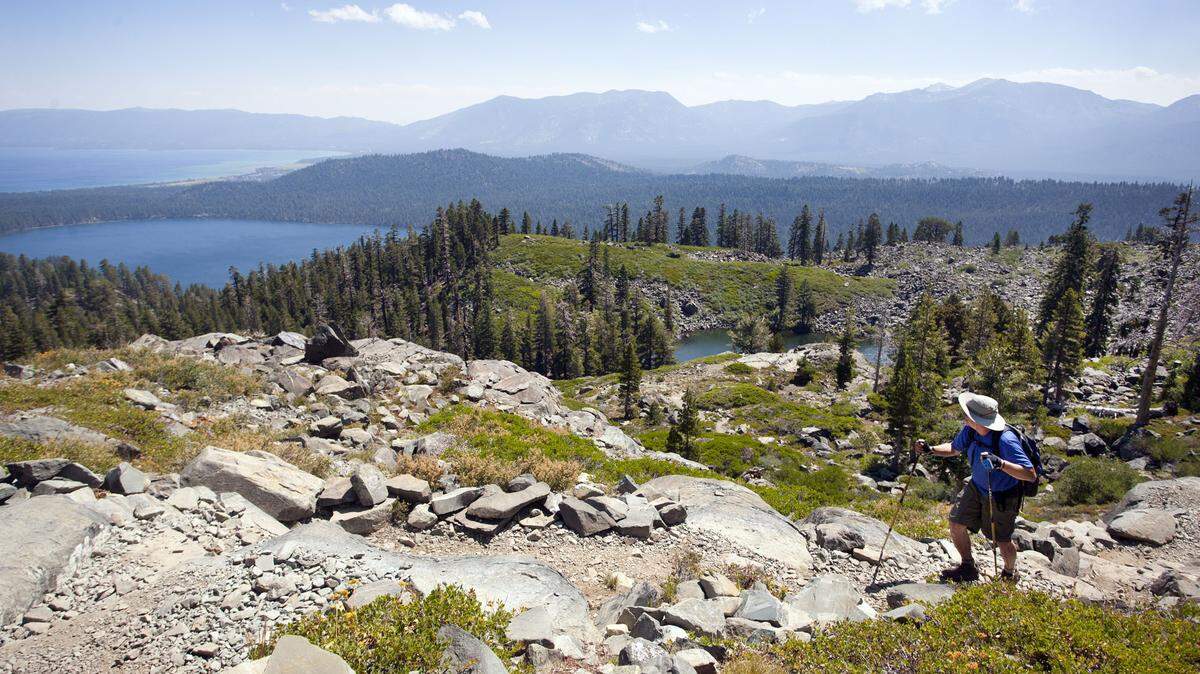
If you’re headed out for a hike in California, know you won’t be alone on the trail.
You’re entering the home of wildlife — both big and small.
Before you venture outdoors, you should be prepared and keep an eye on any animals nearby. In the case that you run into one, you shouldn’t startle the animal, the University of Utah advises. You should make distinct human noises, such as talking, stay far away and give the animal space.
Here are the most common animals you might see on your next hike and what you should do:
Rattlesnakes
Like most people, snakes love the California sun.
Western rattlesnakes are common in the state and are typically found from sea level to 7,000-foot elevation and are usually hiding under rocks, logs and woodpiles. These reptiles, which can camouflage and be up to 4 feet in length are venomous
Watch where you step to avoid rattlesnakes, the U.S. Department of Agriculture advises, and stick to well-used trails. You should also avoid tall grass and weeds, avoid hiking in the dark and be careful climbing rocks and gathering wood.
Bats
If you’re exploring a cave in California, you might find a bat.
Bats like to hide and sleep between ledges and cracks in rocks, according to the U.S. Office of Legacy Management.
“(R)ock climbers should be careful when finding a handhold,” it stated on its website.
Bats are the leading cause of rabies death in humans, the U.S. Centers for Disease Control and Prevention reports. You and your pets should avoid contact with bats and talk to your healthcare provider if you are scratched, bitten or unsure about your exposure to the animal.
In the Sacramento area, migratory bats reside under the Yolo Causeway in the summer months, according Yolo Basin Foundation. The foundation hosts Bat Talk and Walks where you can learn about the mammals and watch bats emerge for the night.
Mountain lions
Mountain lions have a notorious track record of encounters and attacks in California.
But it’s rare to see one in the wild. In fact, the California Department of Fish and Wildlife states that a person is one thousand times more likely to be struck by lightning than be attacked by a mountain lion.
Still, you should be prepared. The National Park Service recommends that you back away slowly if you run into a cougar, don’t run away from it. Act intimidatingly by appearing bigger and speaking loudly.
Bears
Bears are often in places where they can eat, sleep or rest, according to the National Park Service.
This includes thick brush areas, heavy trees, tall bushes, boulder fields, waterways and flowering plants. Some signs you’re near a bear, the service stated, are fresh tracks, claw marks on trees and carcasses.
Beware: You might see them closer to home than you expect this year.
Due to California’s record snowpack, bears will search for food at lower elevations, according to the California Department of Fish and Wildlife.
The department warned of Tahoe-region bears moving onto roads and trails as they make their way into residential areas, away from the snow that has buried their food supply.
You should hike in a group and make noise, such as clapping and yelling, so the bear won’t be startled and react.
Coyotes
According to the California Wildlife Center, coyotes are often living on the edge of cities, deserts and mountains.
Coyotes are territorial pack animals, weighing up to 30 pounds and will stalk their prey before pouncing on them. It’s rare that they attack humans, but be on the lookout for yourself and your pets.
To avoid conflict with coyotes, the Urban Coyote Research Project advises people to not feed the animals and keep dogs on a leash when hiking. If you see one, don’t run away from it. Instead, shout or throw something in its direction.
Pupping season is in May, and coyotes may get more aggressive to protect their young. In this situation, its best to find another route.
This story was originally published April 25, 2023 at 11:31 AM with the headline "5 wild animals you may spot on a Northern California hike — and how to stay safe."