Had to pay more than expected at a California restaurant? A new law will stop surcharges

READ MORE
How To California
Our journalists are here to help you navigate life in the Golden State. You can send us questions — big and small — to howtocalifornia@mcclatchy.com. Here’s what we already answered:
Expand All
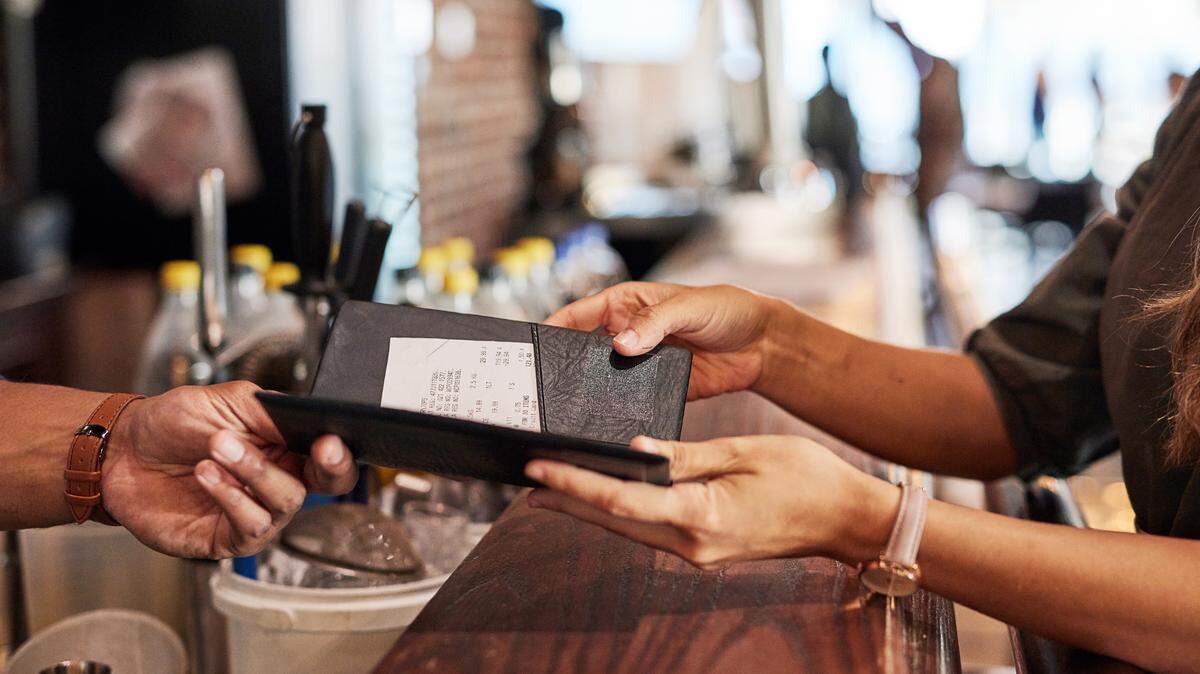
Under a new California law, California restaurants will no longer be able to charge customers surcharges, or service fees.
Starting July 1, Senate Bill 478, or the “Consumer Legal Remedies Act: advertisements,” will ban “junk” fees on purchases made across California.
This includes additional hidden fees related to online purchases, such as concert tickets or hotel rooms, food delivery and surcharges at restaurants.
The California attorney general’s office confirmed on Tuesday with the San Francisco Chronicle that the law would apply to restaurant surcharges, which are often mistaken as tips or taxes, used to cover additional expenses, including employee health care or credit card processing fees.
“Californians will know up front how much they’re being asked to pay, and no longer be surprised by hidden junk fees,” Senator Nancy Skinner said in an October statement from the Office of the Attorney General.
Here’s what you need to know before the law takes effect:
What are ‘junk’ fees?
This law aims to prohibit “junk” fees, or drip pricing, where a price shown to consumers is lower than what they actually end up paying for a product or service at the final stage of purchasing, the bill states.
This strategy has been used by businesses to attract customers by appearing as the most affordable option compared to competitors.
While existing laws cover “unfair methods of competition,” such as false advertising, there’s no current law regulating hidden fees in California.
“This act is not intended to prohibit any particular method of determining prices for goods or services,” the bill states. “This act is intended to regulate how prices are advertised, displayed, or offered.”
How will SB 478 change how I shop and dine?
Starting July 1, you won’t be caught off guard when it comes time to pay the tab or input your card information.
Businesses will be required to disclose all charges ahead of time. This does not apply to taxes and government fees.
Rather than charging a surcharge at the final stage of dining to cover additional costs and move away from tips, restaurants must fold the extra fees into menu prices to maintain transparency with all charges upfront, the San Francisco Chronicle reported on Tuesday.
Are there any exceptions?
Some exceptions apply to car rental companies and motor vehicle dealerships.
Car rental companies will not be in violation of the law when including a disclaimer that additional mandatory charges can be imposed. Dealerships will not be in violation for not disclosing exact registration or licensing fees in the payments.
This story was originally published May 1, 2024 at 12:03 PM with the headline "Had to pay more than expected at a California restaurant? A new law will stop surcharges."