
The Fed decided to keep interest rates steady. Will that help California?
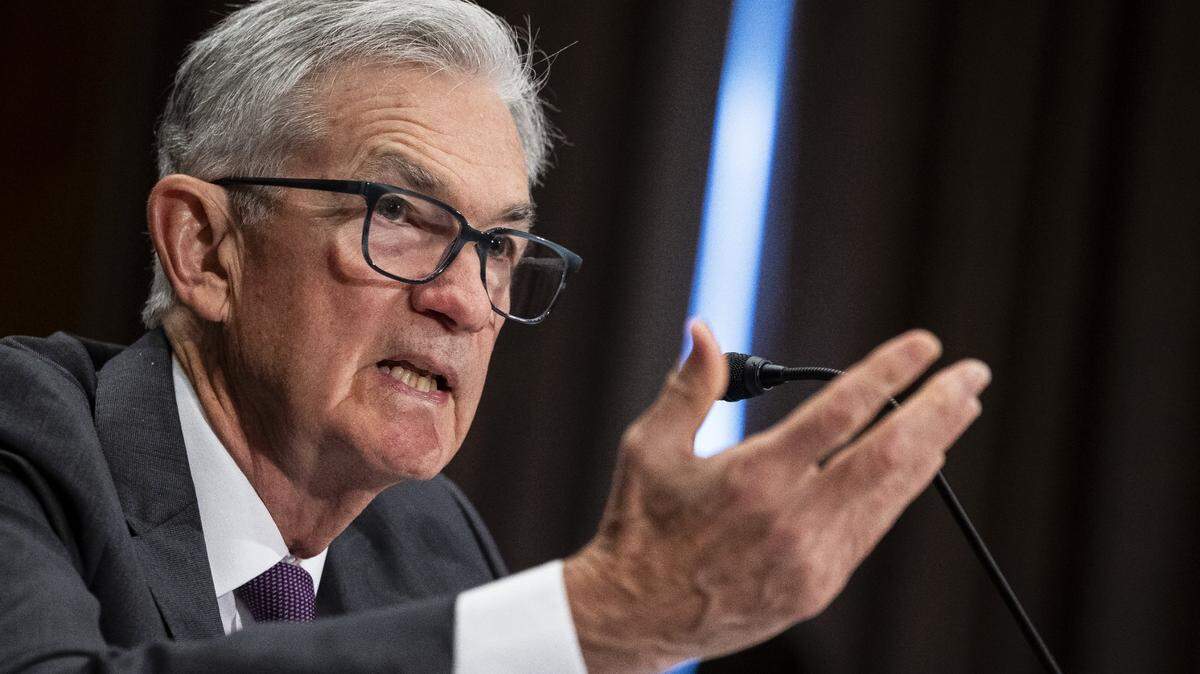
The Federal Reserve kept interest rates steady when it met Wednesday — which isn’t likely to be good news for already-wary California consumers.
“Uncertainty about the economic outlook remains elevated,” the Fed said in a statement.
Even if small change had occurred, “auto and mortgage lending rates are unlikely to fall due to continued inflation worries,” said Amy Crews Cutts, economic consultant to Primerica, a financial services company.
She noted that middle-income households “are still feeling the impact of inflation from 2022-23 that more than ate up any income gains they made.”
The rate of inflation peaked at 9.1% in June 2022 and has since fallen. But consumer confidence has not picked up much. Primerica’s Household Budget Index, which measures middle income purchasing power, remains where it was six years ago, Crews Cutts said.
The Fed last lowered its target range, now 4.25% to 4.5%, in December. It was widely anticipated it would make more cuts during 2025, but economic uncertainty has caused caution.
The Fed rates are those used by banks to loan money to one another overnight. The rate has a big influence on what consumers are charged..
Interest rates are viewed as an important way of keeping prices stable, and the Fed has long tried to keep the rate of inflation at 2%. In May, the last data available, the annualized rate ticked up to 2.7%.
The Fed watches the personal consumption expenditure index. It climbed at an annualized rate of 2.3% for the 12 months ending in May.
Data like that is why Sung Won Sohn, president of SS Economics in Los Angeles, had expected no change Wednesday.
“The central bank is like a goalkeeper at a soccer game not knowing which way to turn. Lean left (inflation) or right (jobless rate). At the moment, they are more concerned about inflation than economic growth,” he said.
That’s why, Sohn said, “The Fed will lean in the direction of containing inflation in July.”
Cautious consumers
There are other worries. The Fed and many private economists have expressed concerns about sluggish consumer sentiment, and the impact of tariffs and immigration policy.
As a result, the UCLA Anderson Forecast said last month, “The data now indicate slow to negative economic growth and a further decline in jobs for 2025.”
President Donald Trump has pushed hard for the Fed to lower rates, urging Chairman Jerome Powell to do so last week.
Trump has made withering criticisms of Powell, who he appointed to the position in 2017, and floated the idea of firing him recently before becoming convinced that would be difficult if not impossible. Powell’s term runs through May 2026.
In California, no rate change probably means more of the same economy. And what the economy needs is confident consumers.
In the state’s housing market, June home sales activity was up 4% from May but down 0.3% from a year ago. The June increase came after three straight months of declines, according to the California Association of Realtors.
“While the California housing market has not yet fully transitioned to a buyers’ market, it is exhibiting increasing signs of being more balanced,” said Jordan Levine, senior vice president and chief economist.
His group also found “sellers are demonstrating greater willingness to negotiate on pricing, concessions, and other terms, which creates more advantageous conditions for those considering a home purchase.”
Mortgage rates are not directly tied to Fed action; they’re more dependent on a series of factors, including bond markets. Rates on a 30-year mortgage loan averaged 6.74%, last week, according to Freddie Mac, which tracks rates. That’s roughly the same as the 52-week average of 6.68%.
This story was originally published July 30, 2025 at 5:00 AM with the headline "The Fed decided to keep interest rates steady. Will that help California?."
.jpg)