What happens if you ignore a school crossing guard in California? Here’s the law
Every school day, a crossing guard’s raised stop sign or whistle can mean the difference between order and chaos on busy streets.
Without them, drivers, cyclists and pedestrians must rely on their own judgment to decide when to stop or go.
Crossing guards are usually police officers or volunteers authorized by local law enforcement to direct traffic and protect pedestrians — including children on their way to and from school, according to the California School Crossing Guard Training Program handbook.
How much authority do crossing guards really have? Are you legally required to obey their signals?
The Sacramento Bee went searching for the answer as part of How to California, a community-driven series to help readers navigate life in the Golden State.
Here’s what we found:
BEHIND THE STORY
MOREWhy we did this story
Our community-driven series — How to California — is here to answer your questions about state laws, history, culture, recreation and travel in the Golden State.
McClatchy’s service journalism team, focused on helping our readers navigate daily life, works in communities across the state, including San Luis Obispo, Fresno, Merced, Modesto and Sacramento.
Ask us your questions — big and small — by emailing howtocalifornia@mcclatchy.com or filling out a form here.
Do I have to obey a school crossing guard?
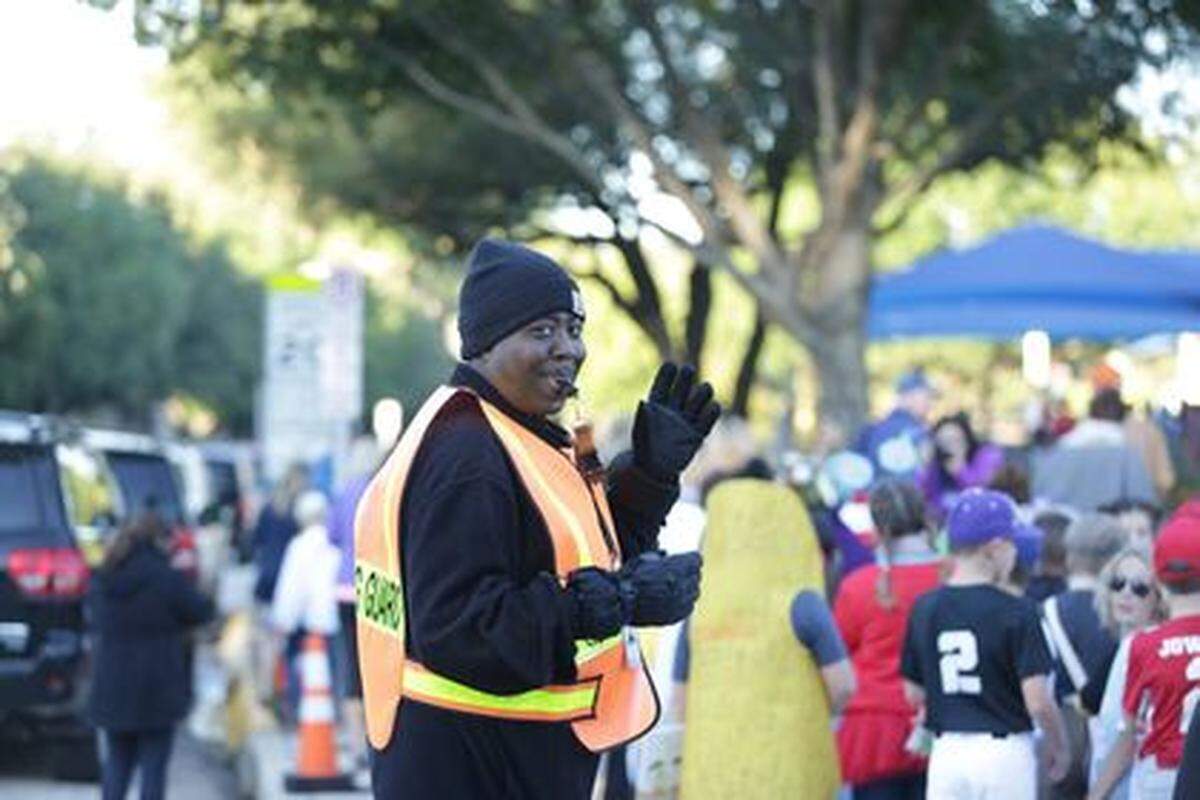
According to California Vehicle Code, drivers are required to obey school crossing guards whenever “the guard is wearing the official insignia” — or their official uniform.
Even if a driver has the right of way, the law says, all vehicles must stop whenever “the guard is protecting any person in crossing a street or highway in the vicinity of a school or while returning thereafter to a place of safety.”
How can I identify a school crossing guard?
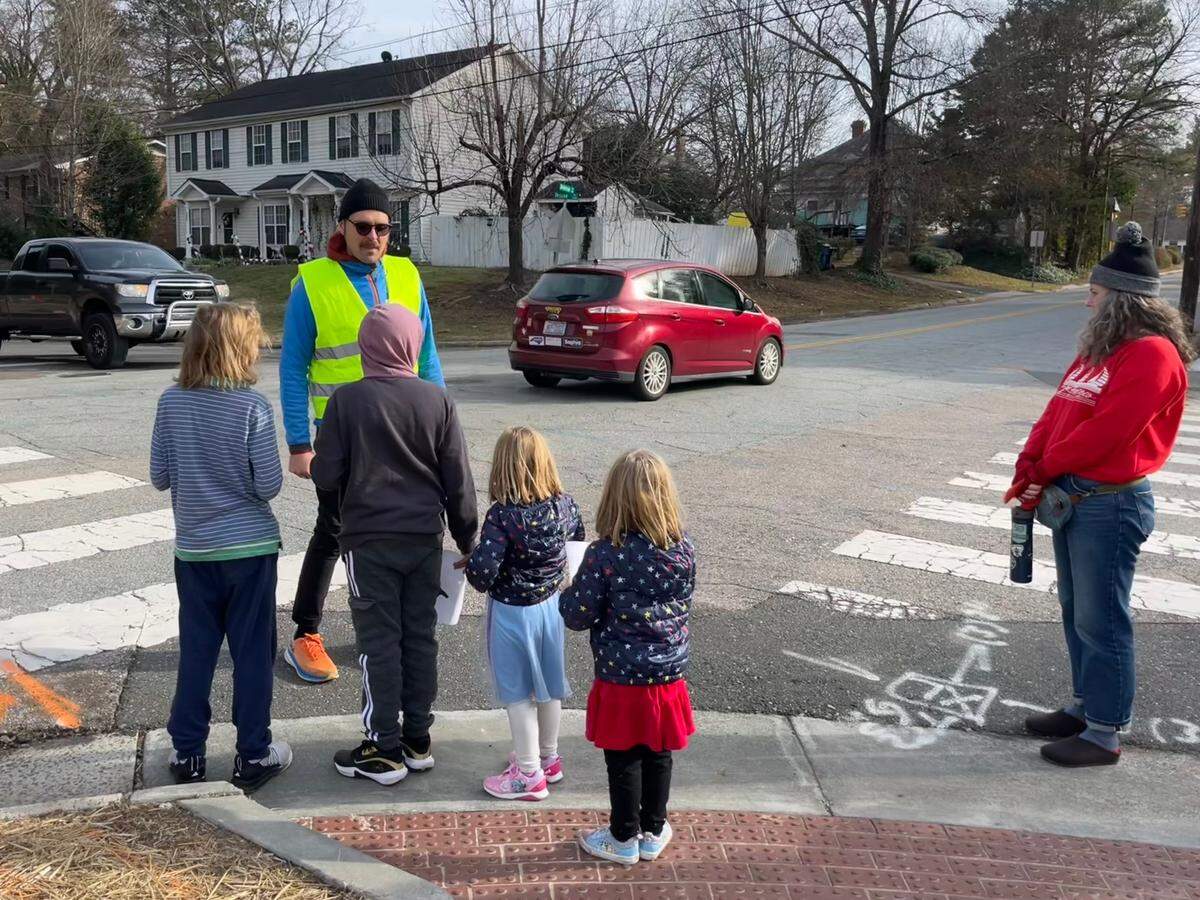
According to the California school crossing guard handbook, a crossing guard’s uniform and equipment consists of four standard pieces:
- Reflective safety vest or outerwear
- “Stop” sign paddle
- Reflective safety hat
- Whistle
The safety hat and whistle are optional, the handbook says.
Where are California school crossing guards found?
“Many factors contribute to the need for a crossing guard at a particular crossing location,” the California school crossing guard handbook says.
According to the handbook, schools should consider the following factors when deciding where to place crossing guards:
- Age of students
- High volume of pedestrian and vehicular traffic
- Collision data
- Type of traffic control such as stop signs and traffic signals
- Proximity to school
What are the penalties for not obeying a school crossing guard?
According to California’s Vehicle Code, drivers are legally required to follow the instructions of a school crossing guard.
Failing to do so can be considered an infraction and comes with increasing fines under California law:
- First offense: $50 to $100 fine
- Second offense (within a year): $100 to $200 fine
- Third or more offenses (within two years): $250 to $500 fine
Along with fines, your driver’s license could be suspended for up to 30 days, state law says.
This story was originally published September 22, 2025 at 5:00 AM with the headline "What happens if you ignore a school crossing guard in California? Here’s the law."