What is the EF Scale and how is it used to rate tornado intensity?
READ MORE
Tornado cuts through Sedgwick County and Andover, Kansas
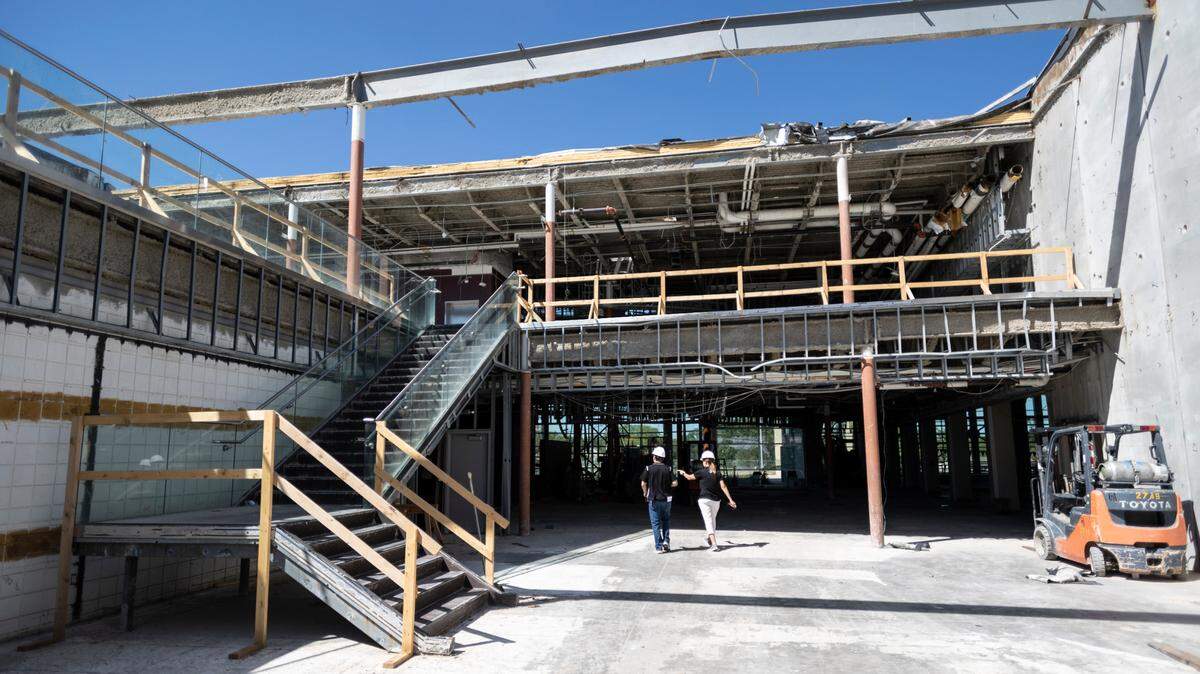
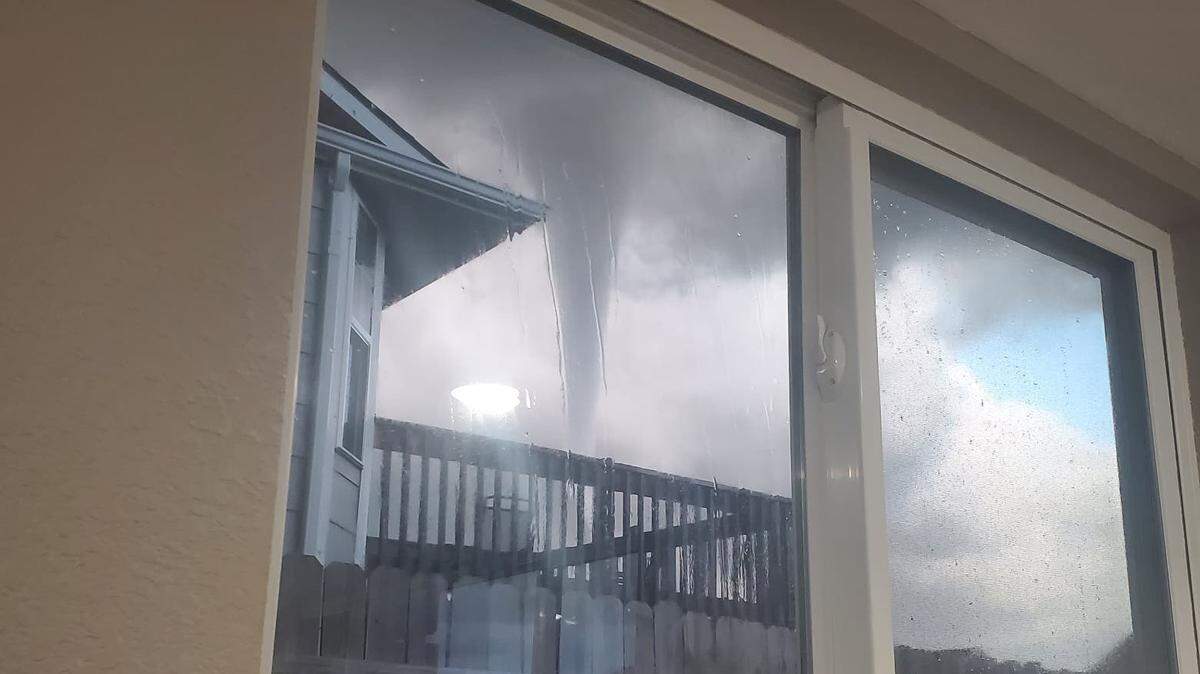
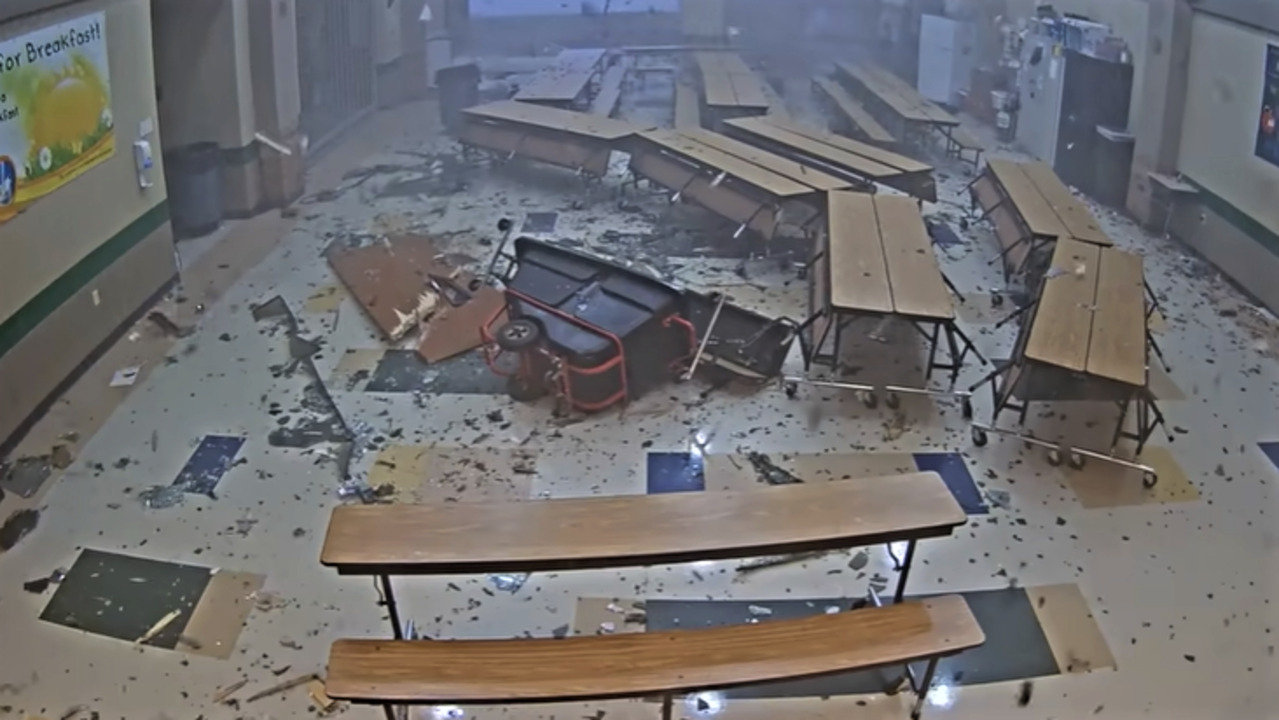
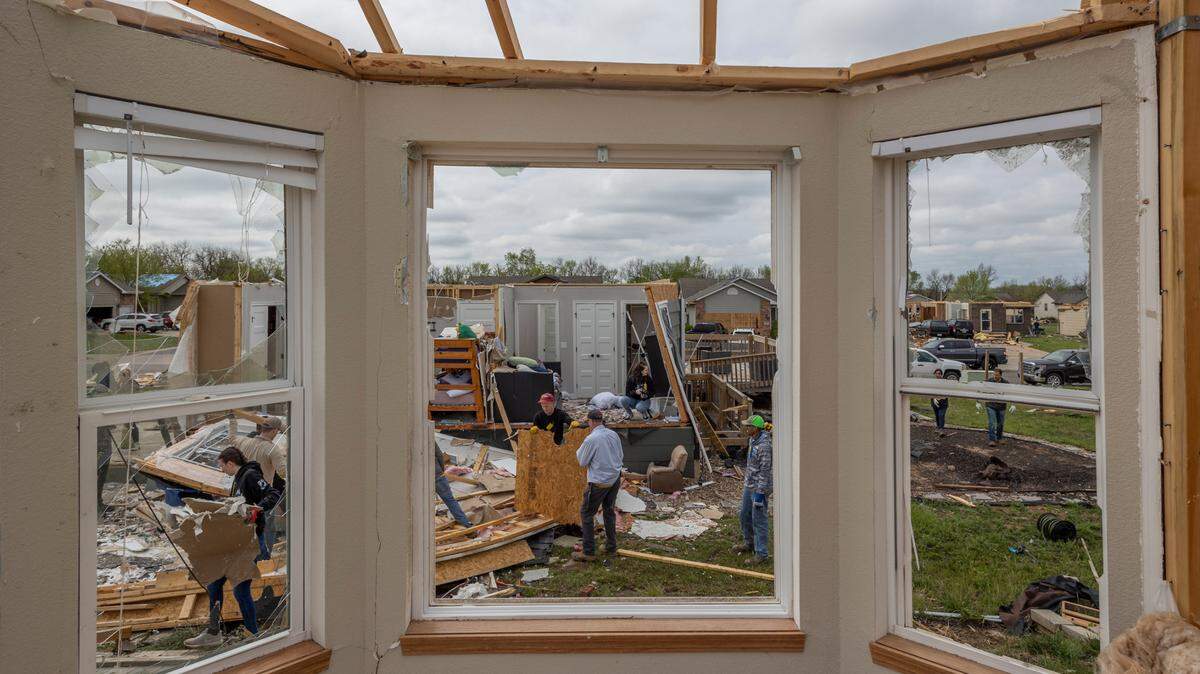
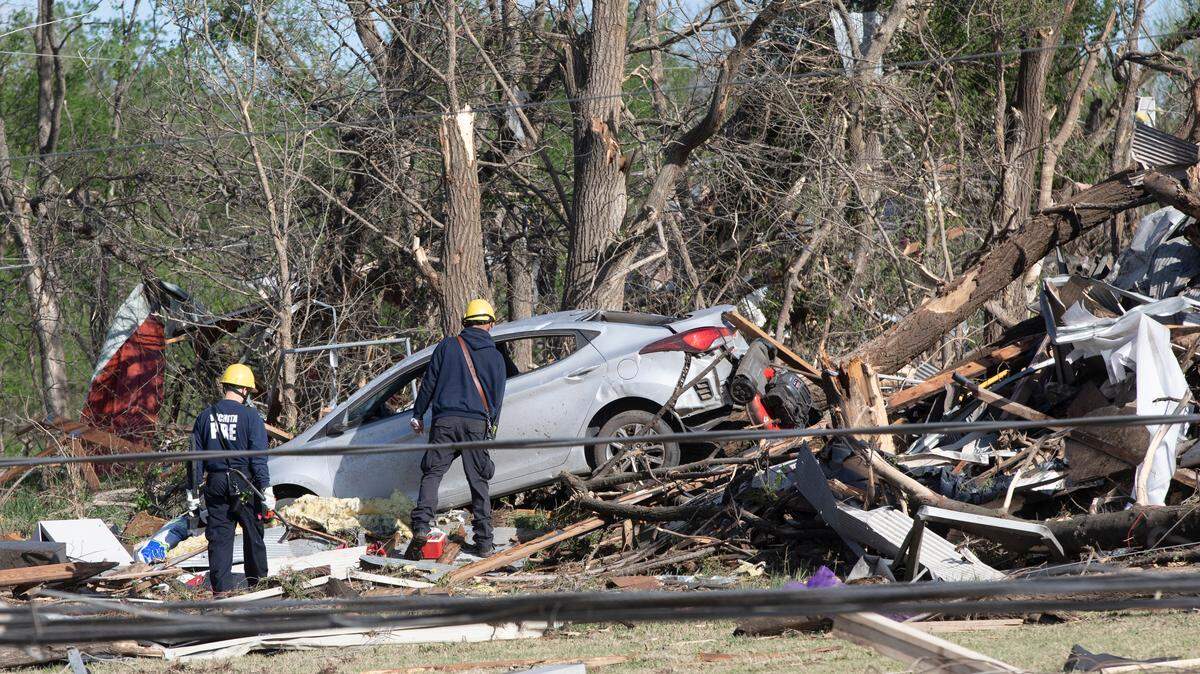
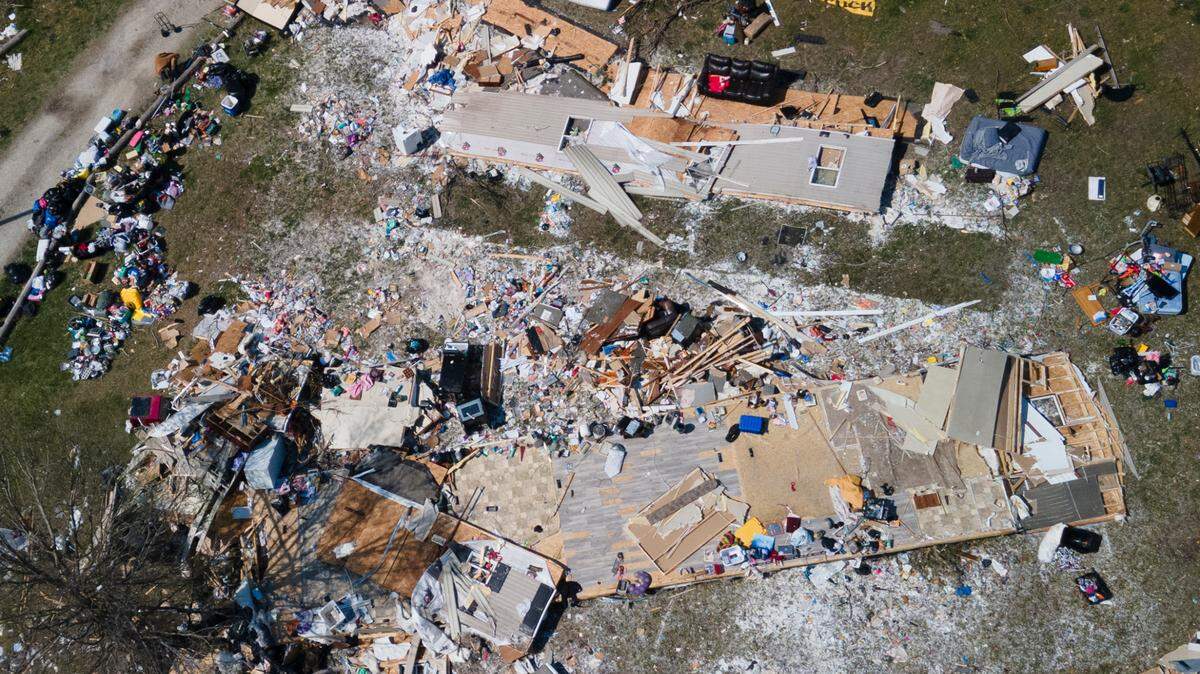
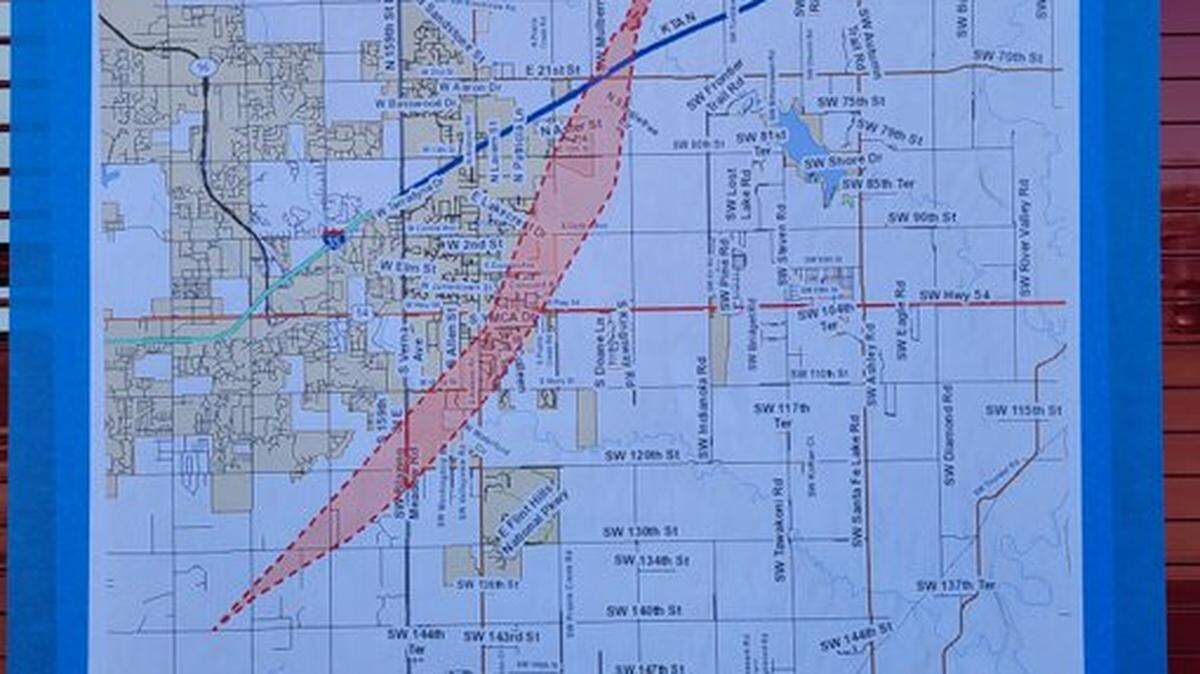
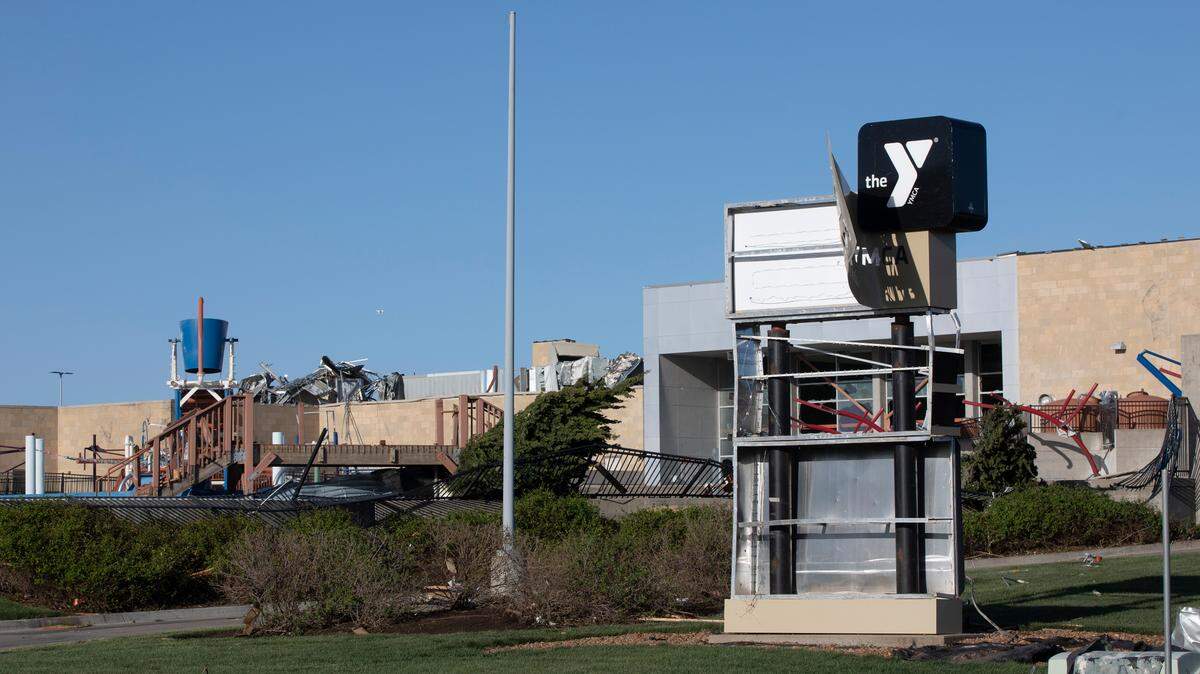
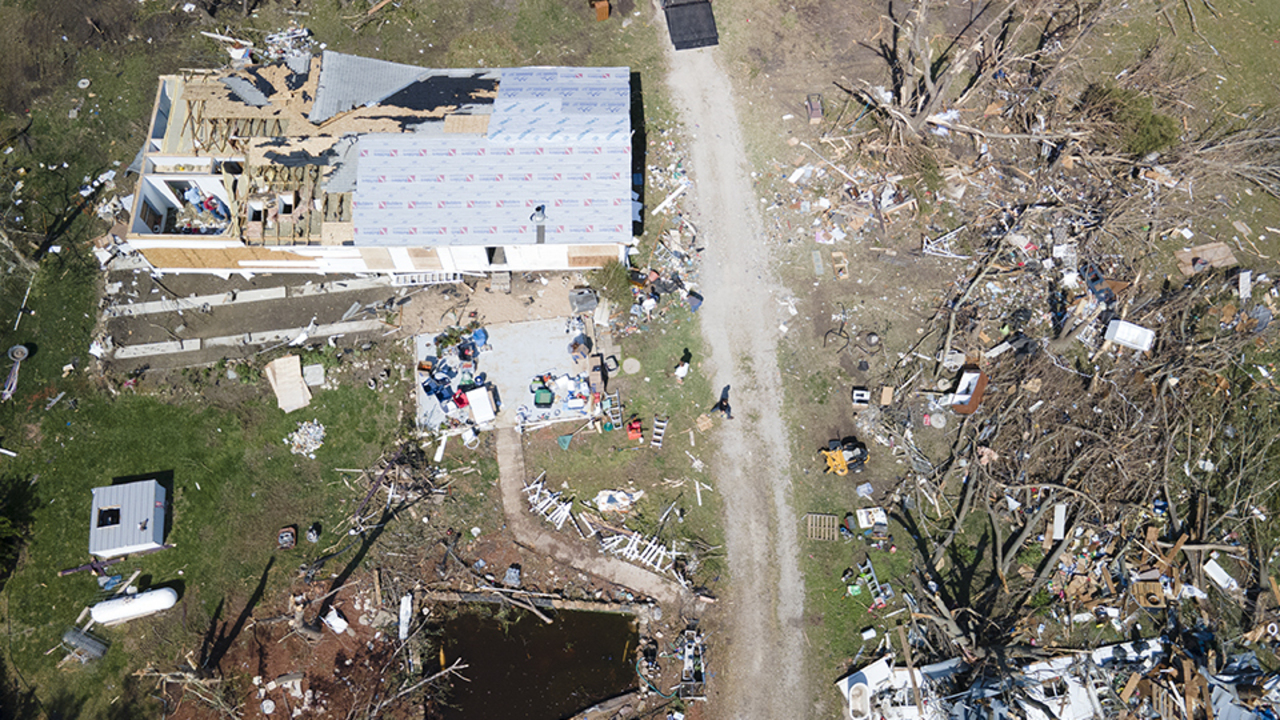
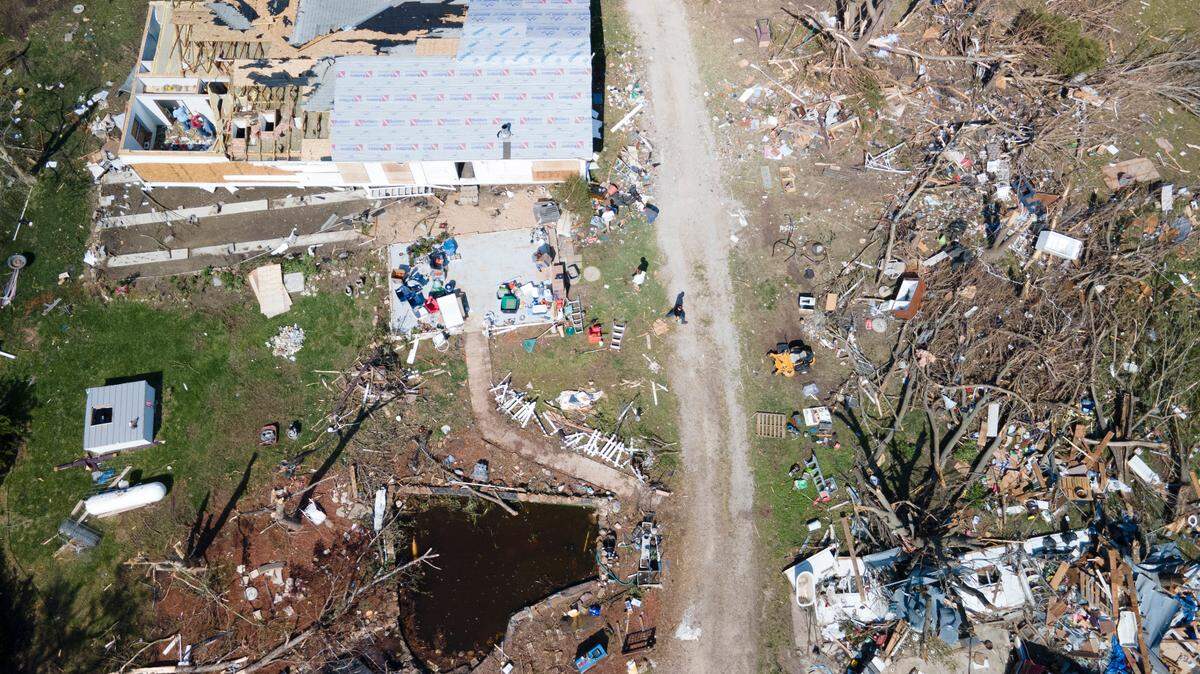
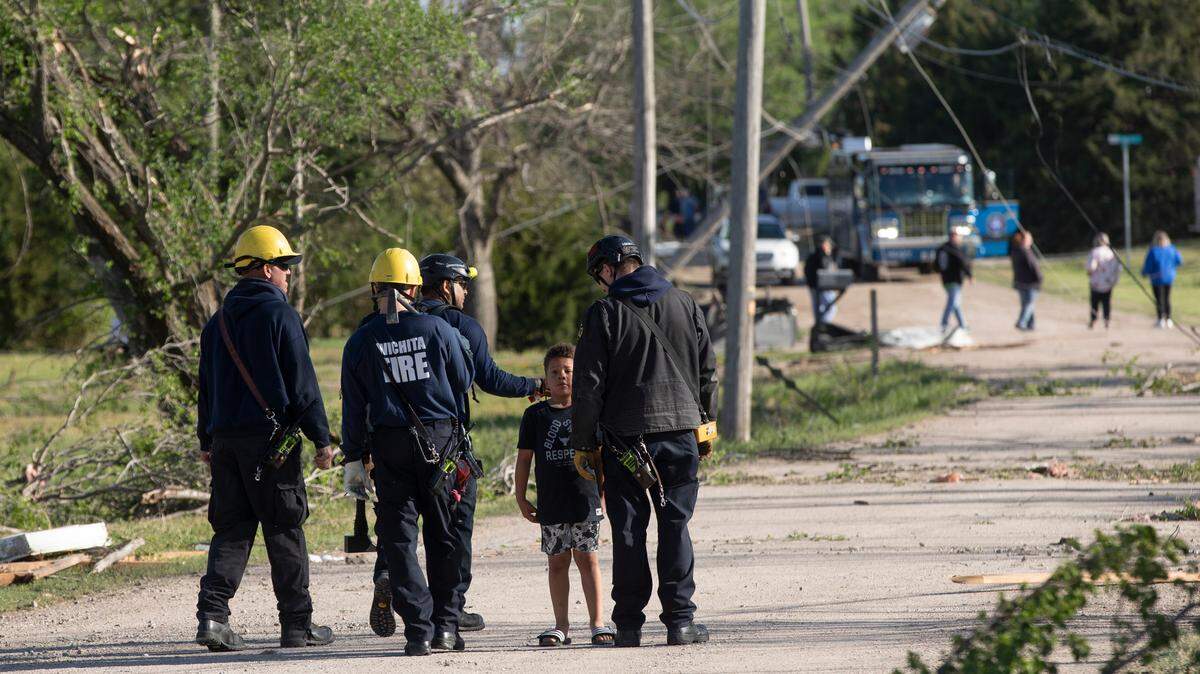
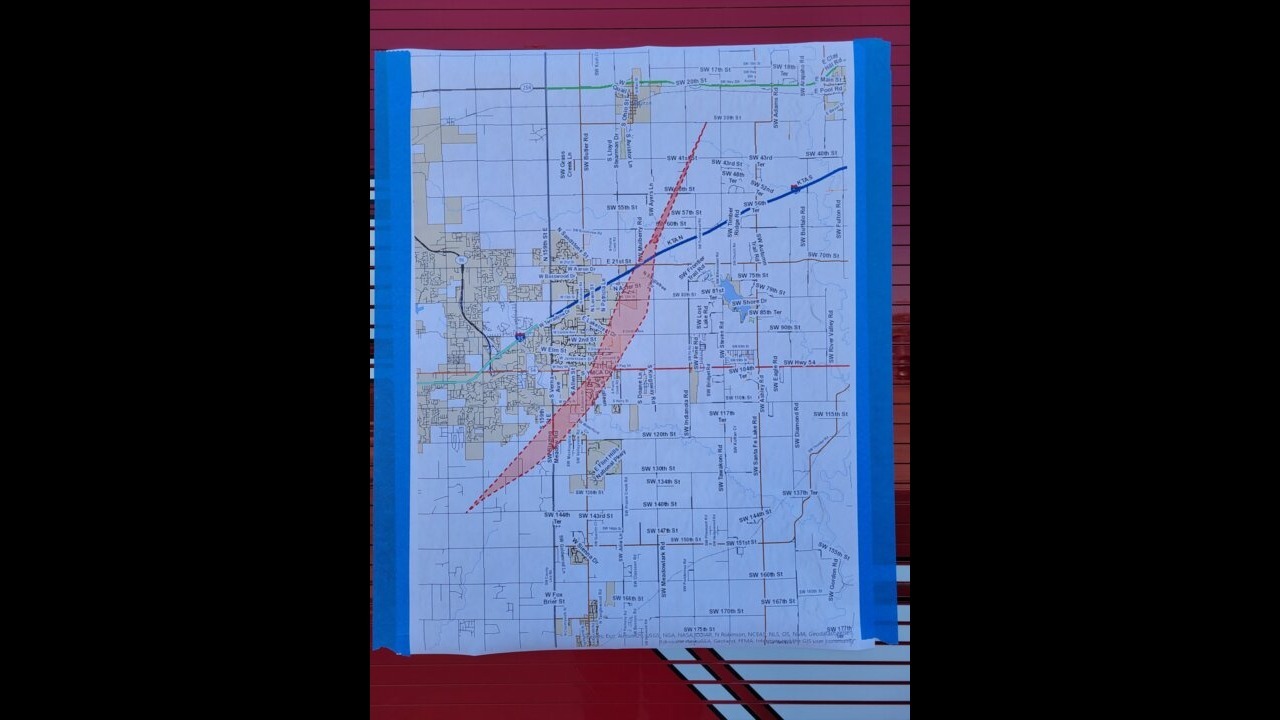
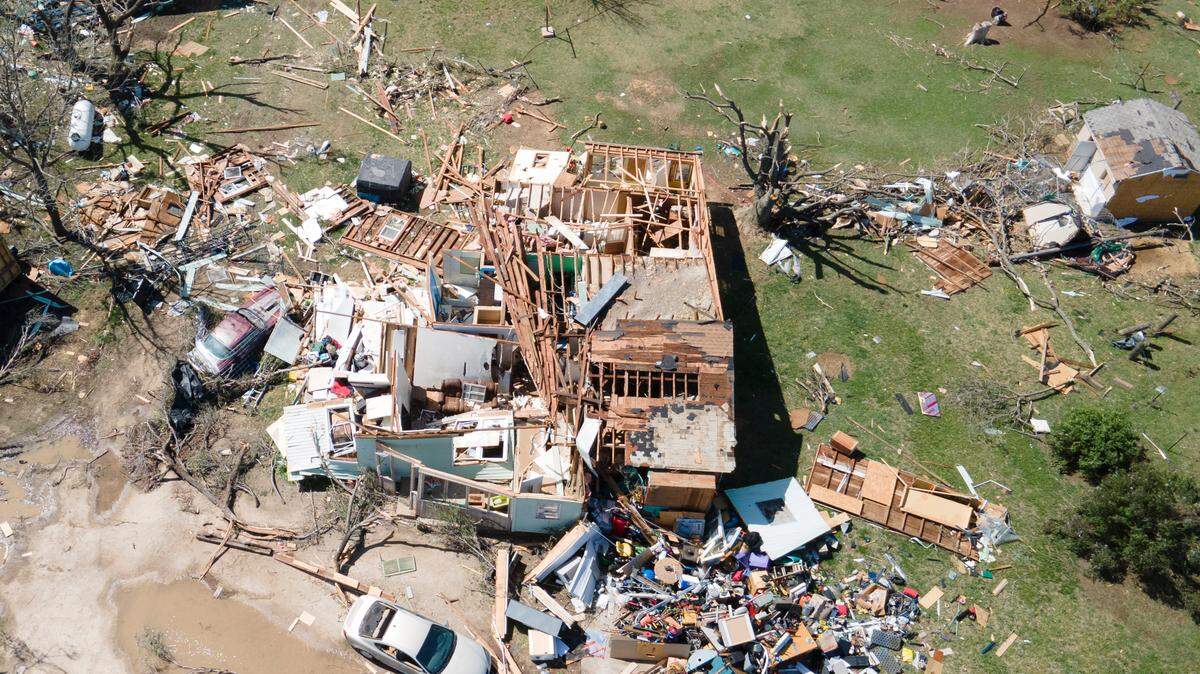
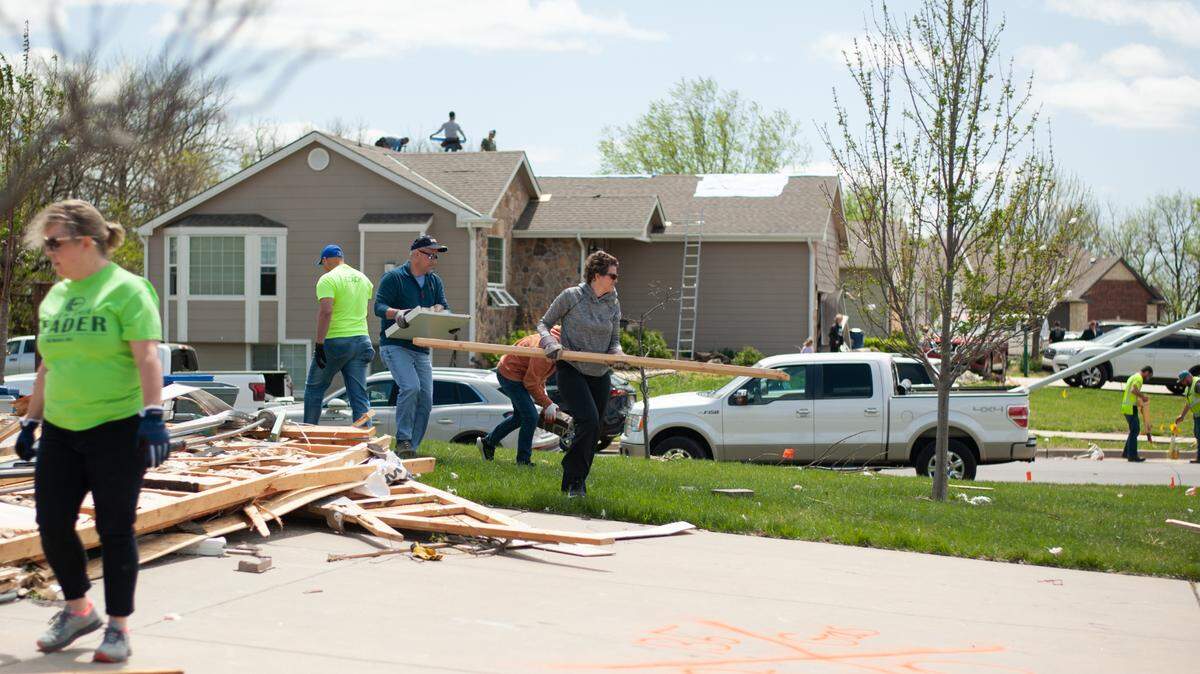
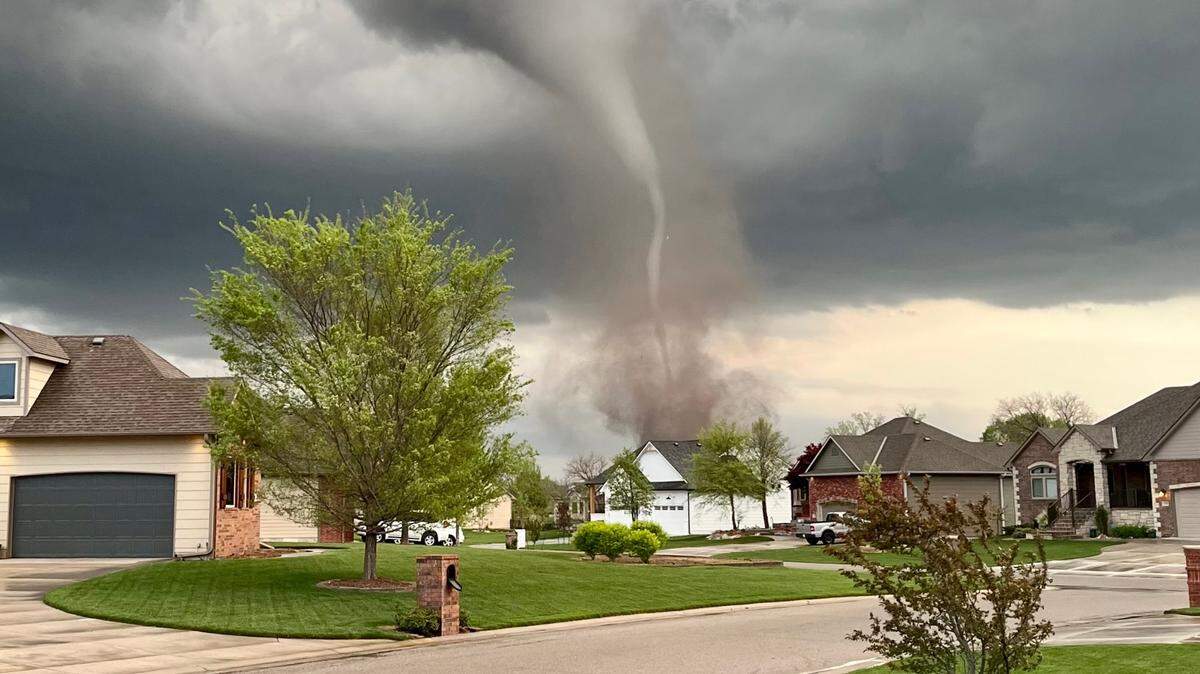
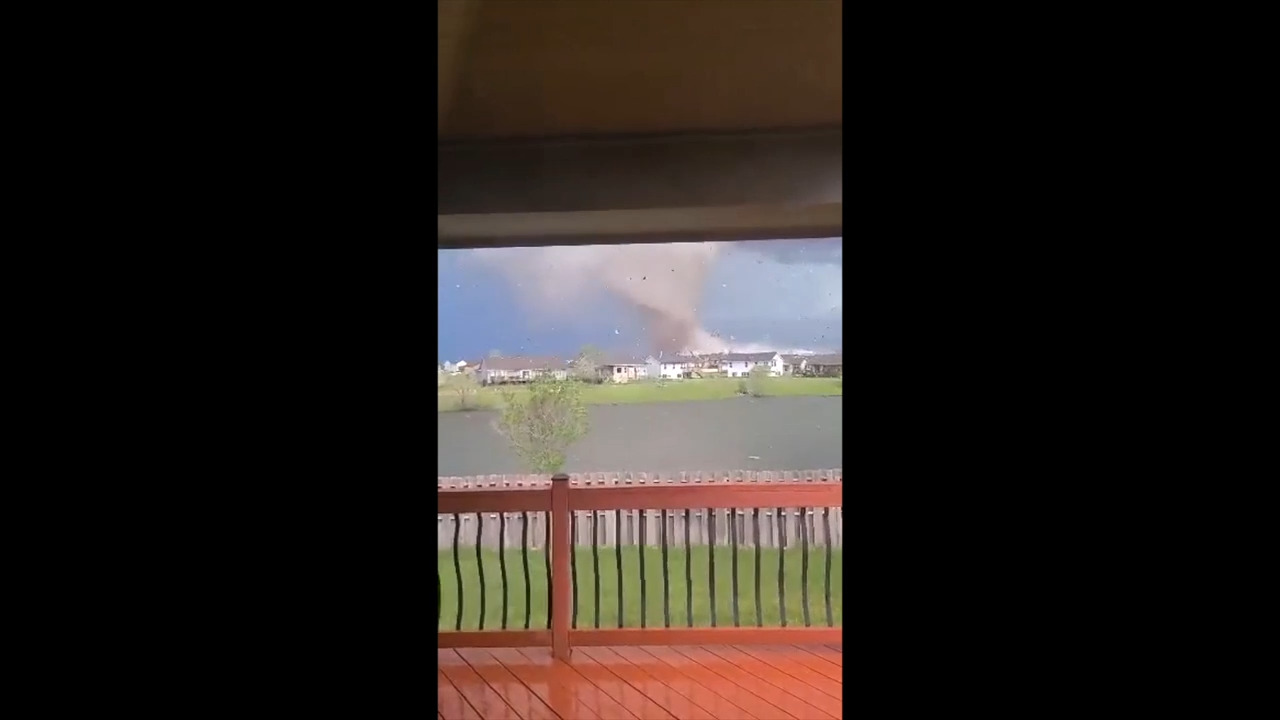
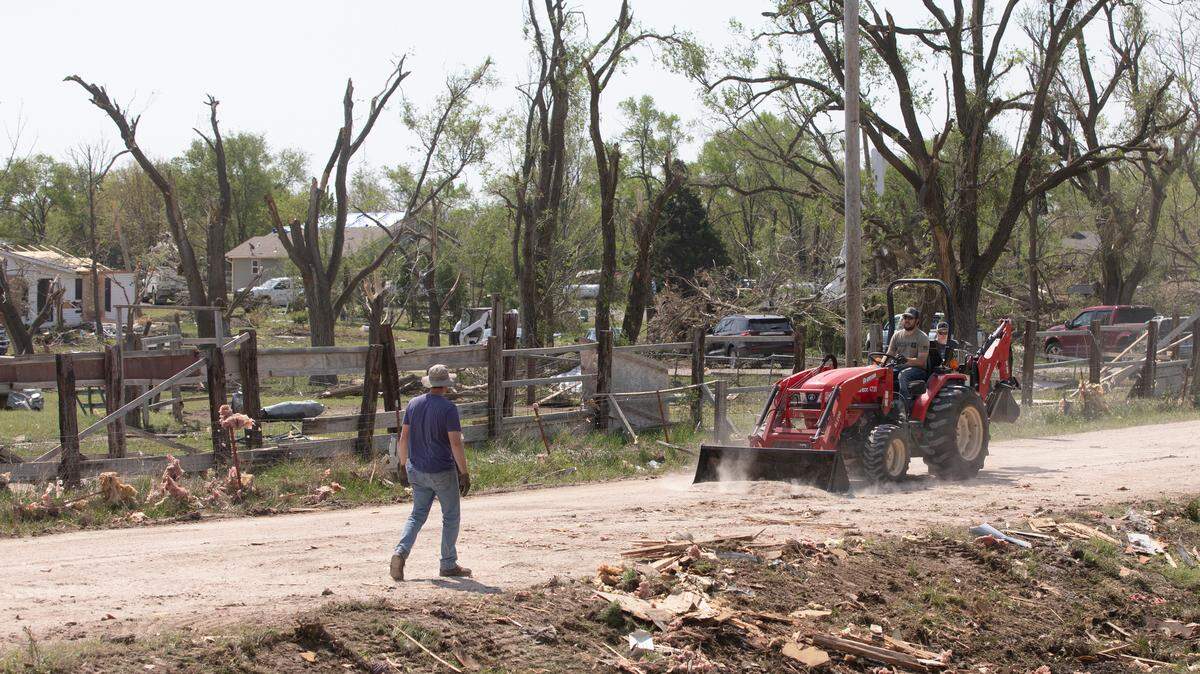
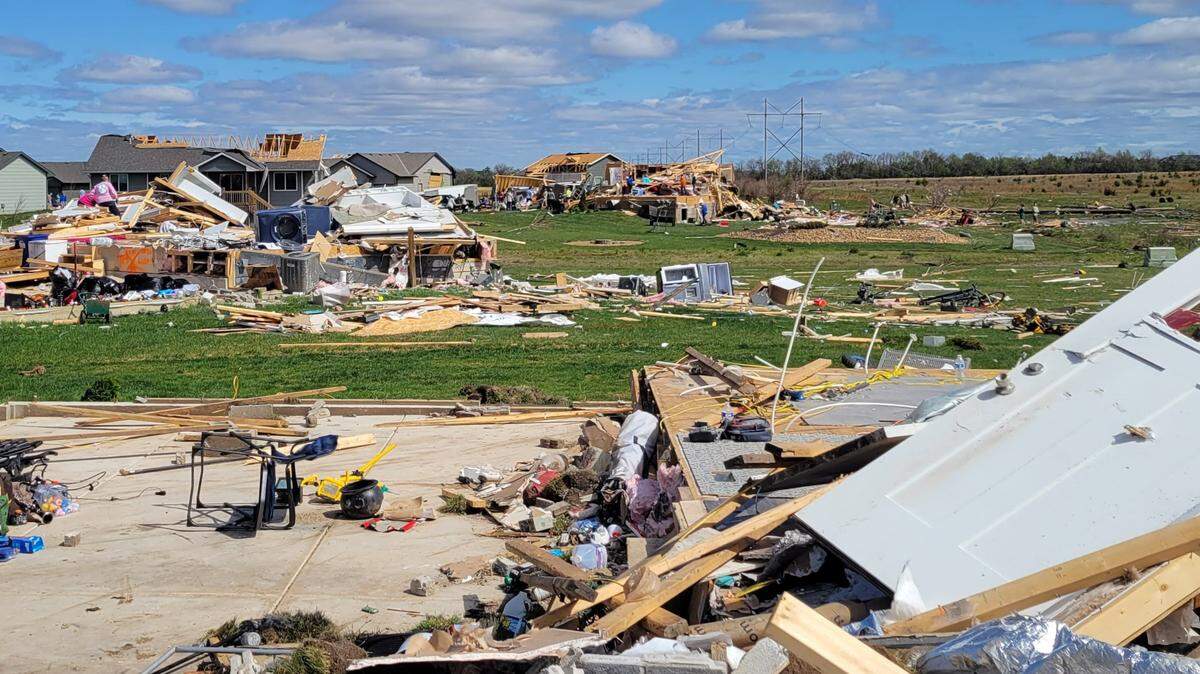
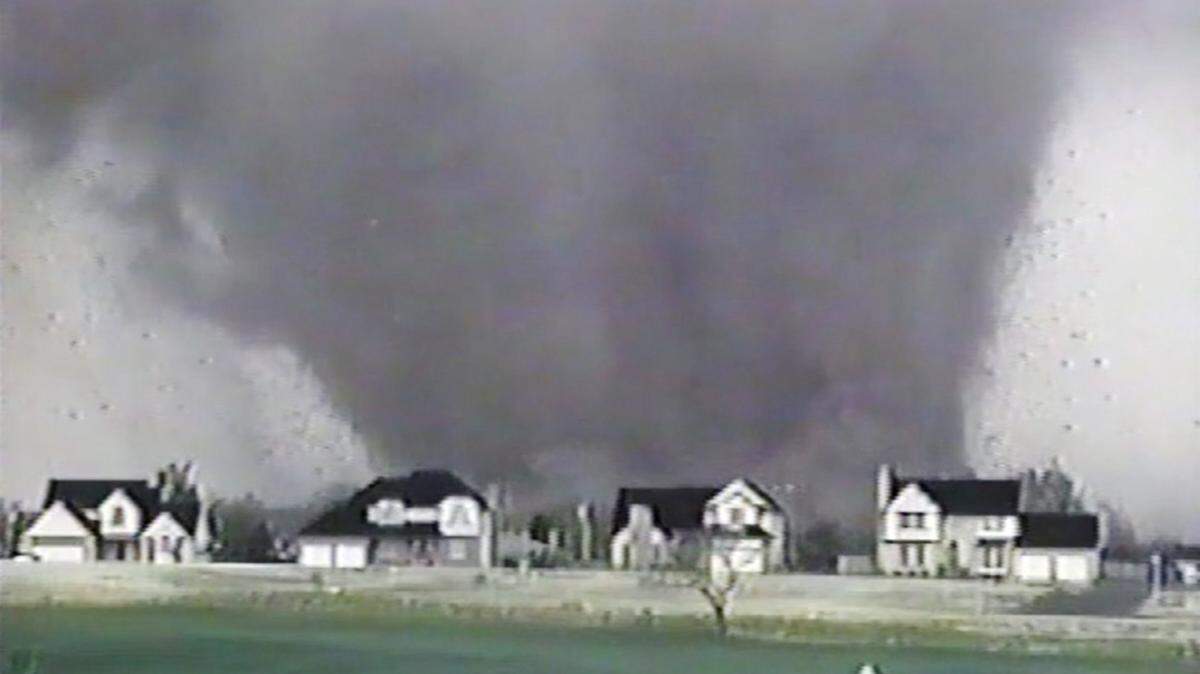
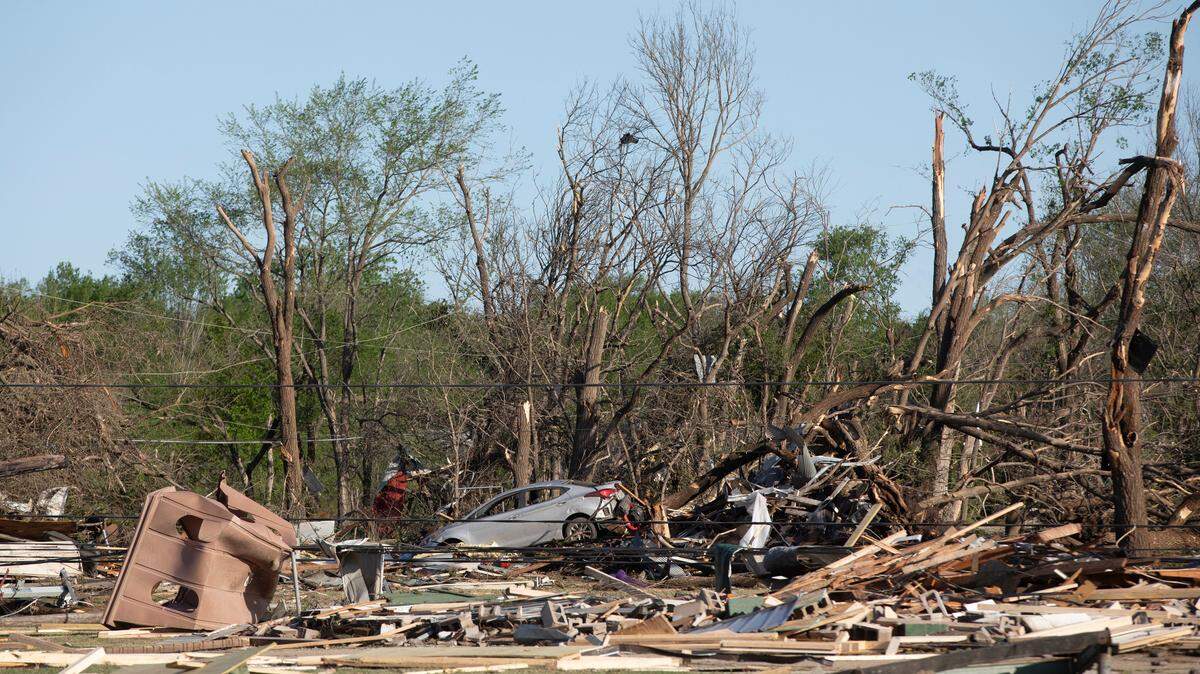
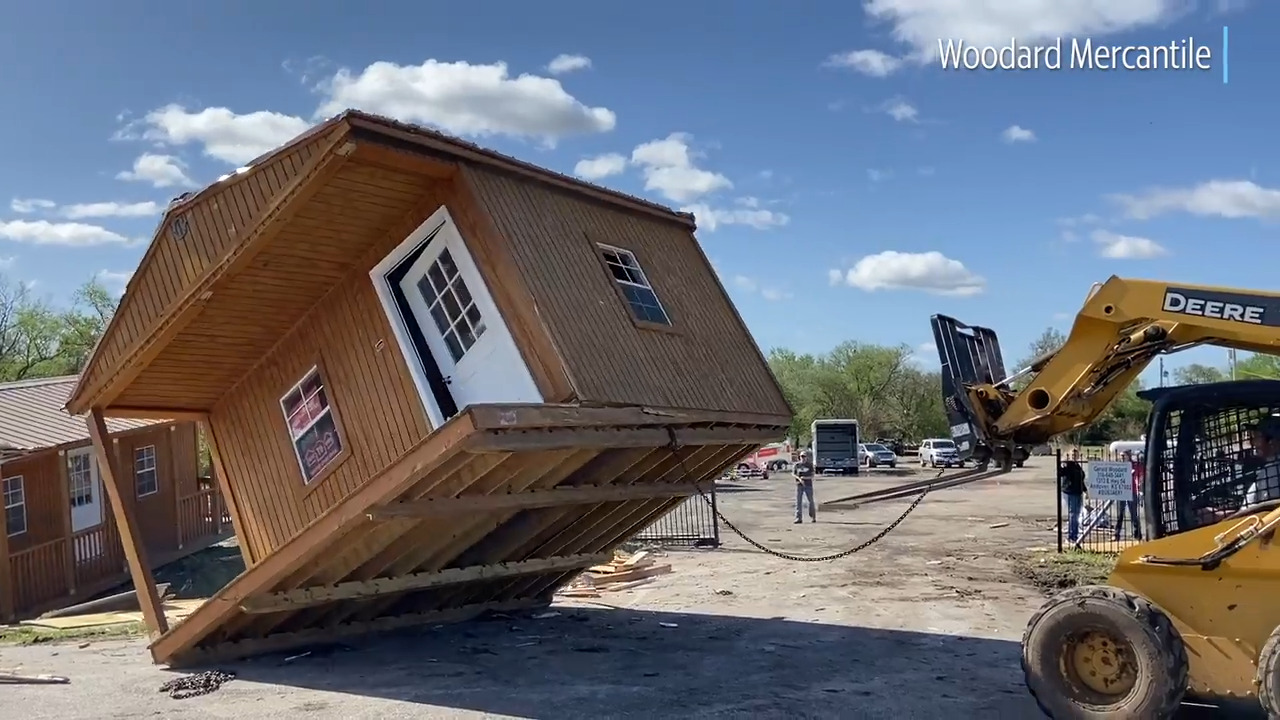
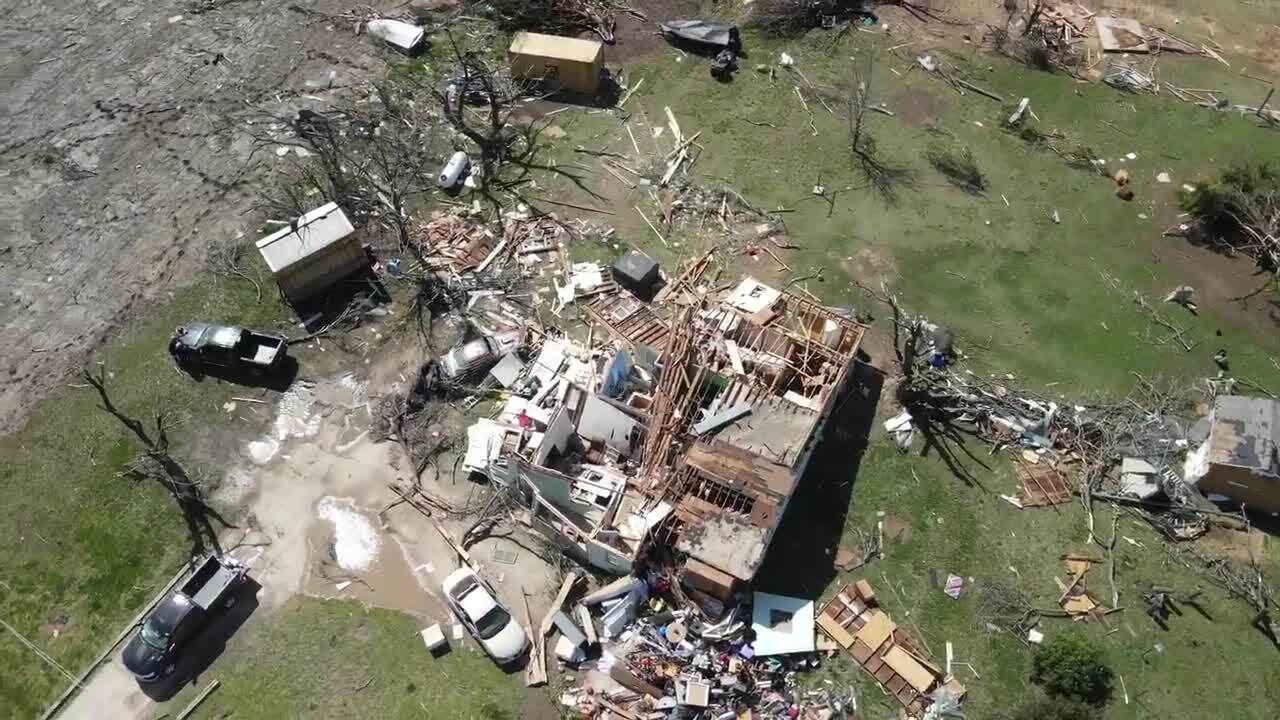
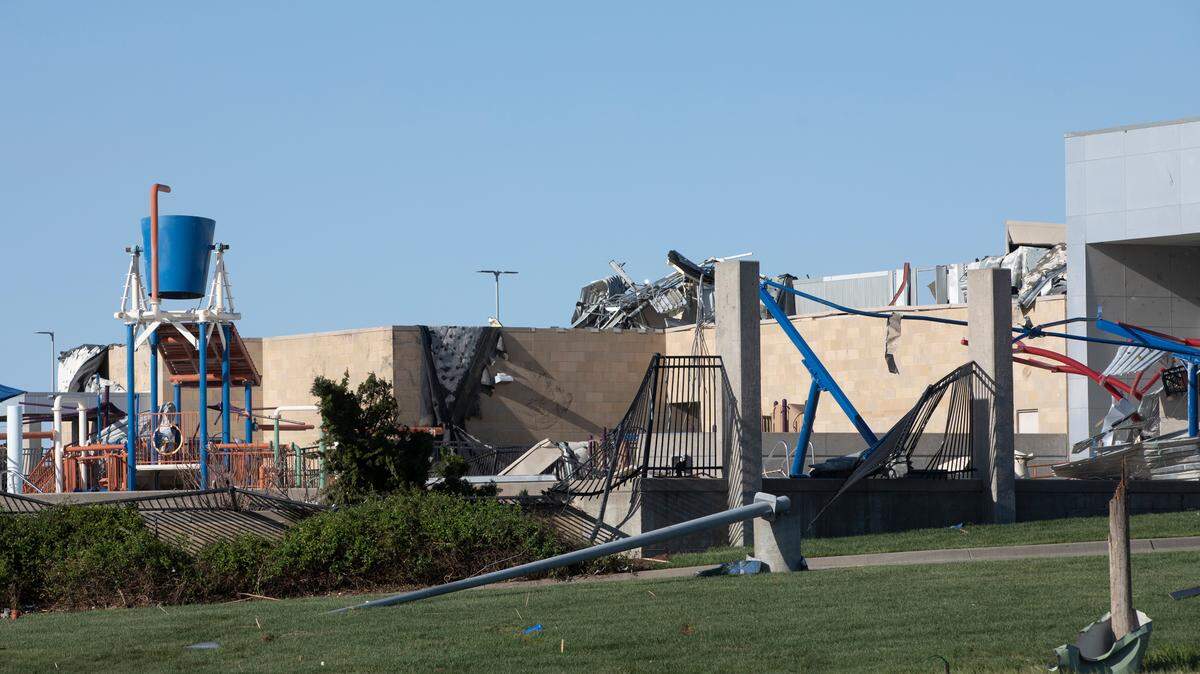
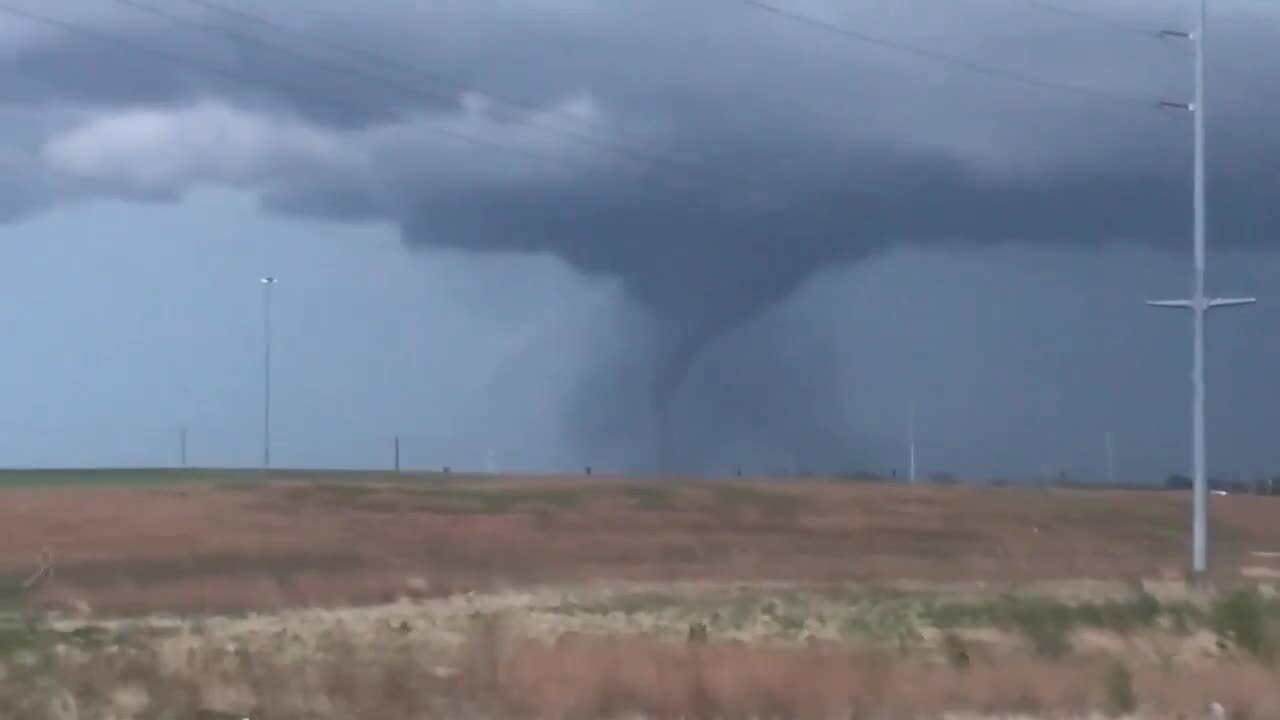
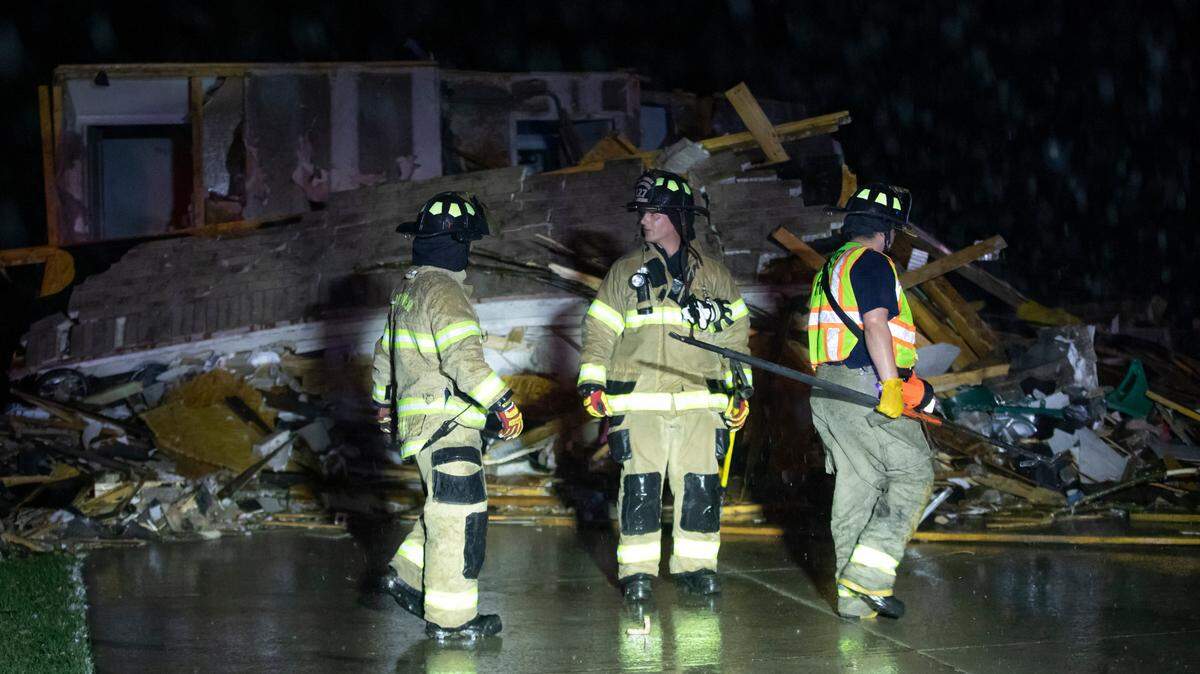
An EF-3 tornado touched down in south-central Kansas on April 29, 2022, leaving damage in its wake, but few injuries. Residents in the Wichita area, Andover and Sedgwick and Butler counties are picking up the pieces.
Expand All
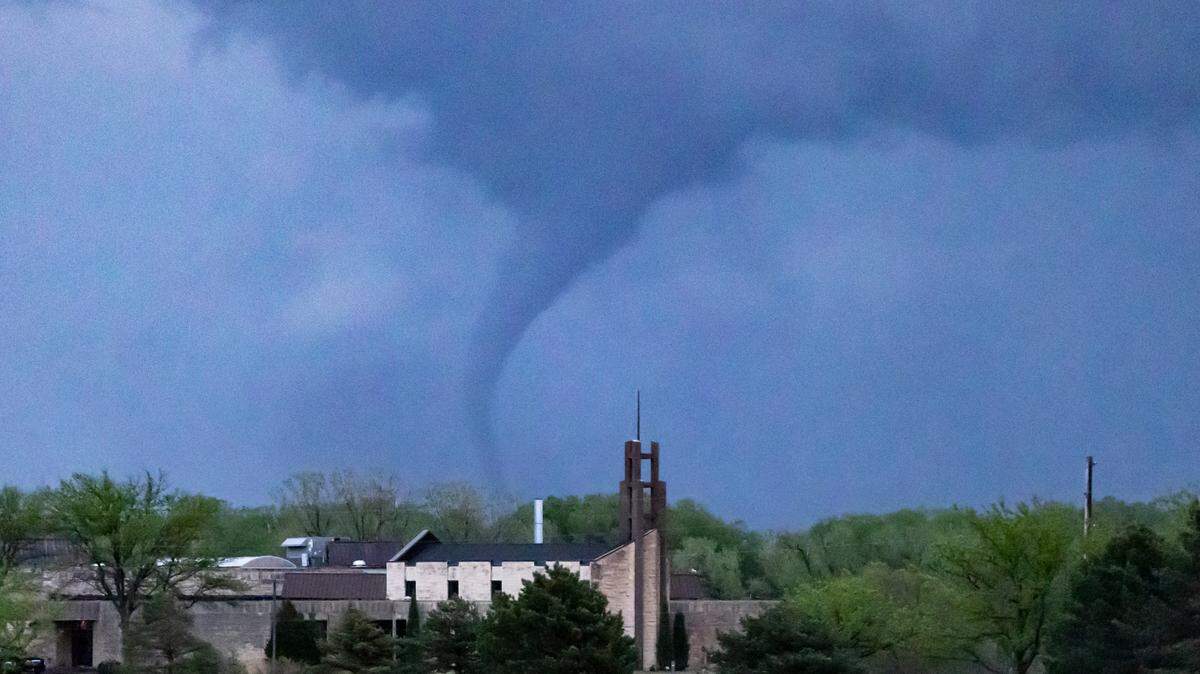
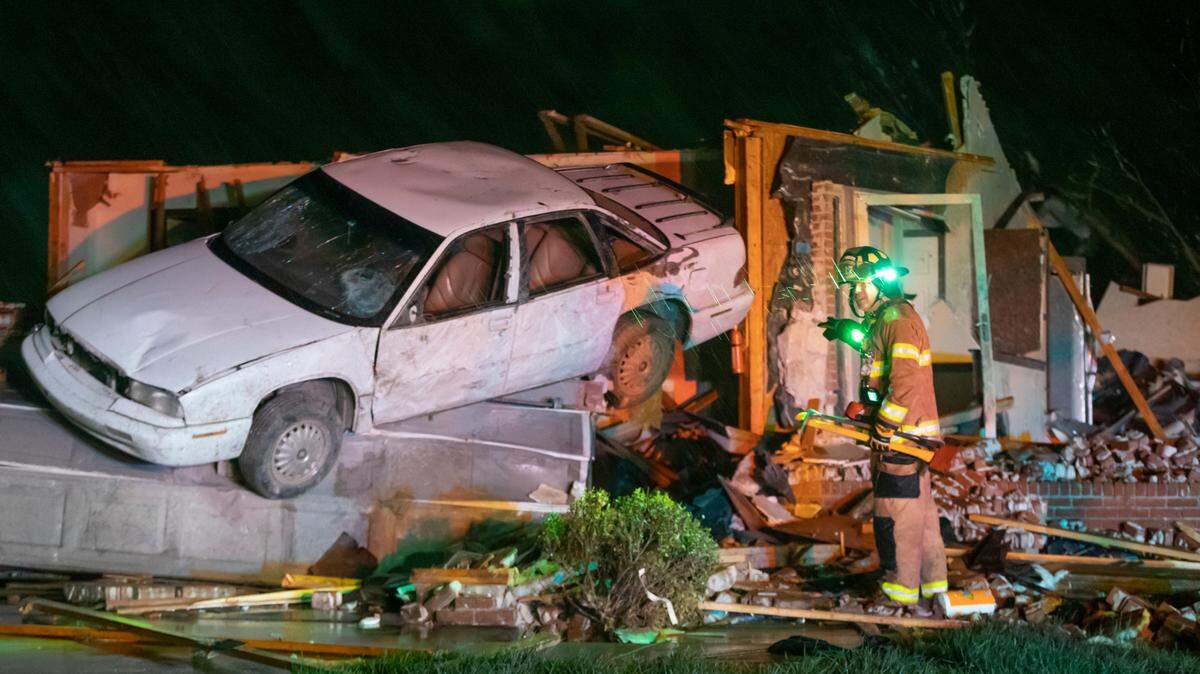
You’ve seen photos and video footage of ominous-looking tornadoes ripping through cities, launching cars through the air and leveling houses.
But how much do you know about how a twister’s strength is determined?
The National Weather Service uses what’s known as the Enhanced Fujita Scale — or EF Scale — to categorize the intensity of tornadoes. As the name suggests, the rating system is a revised version of the original Fujita Scale, developed by Tetsuya “Ted” Fujita in 1971, which assigns a number rating to a tornado based on its estimated wind speeds and the resulting damage.
The system compares tornado-related destruction to a list of 28 damage indicators (the item or structure that sustains damage) and eight degrees of damage (how severe it is) to better estimate the wind speeds likely produced. It’s been operational since 2007.
The number ratings on the EF Scale range from 0 to 5. Zero is the lowest intensity. Five is the highest.
The National Weather Service is the only federal agency with the authority to provide official EF Scale ratings. Here’s what each means, according to www.weather.gov:
EF-0
The tornado is considered weak, with estimated wind speeds of 65 to 85 mph. Damage is minor and may include some broken tree branches and downed power lines. Homes may have slight damage to roofs or chimneys. Trees with shallow roots may be torn up.
EF-1
The tornado caused moderate damage. Winds reached an estimated 86 to 110 mph, causing broken windows and doors on houses and uprooted trees. Roofs might be peeled off of homes, mobile homes are overturned and cars are blown off of roads.
EF-2
The tornado damage is considerable or significant. Estimated wind speeds are 111-135 mph, enough to tear roofs from well-built frame houses, demolish mobile homes, lift cars off of the ground, snap and uproot large trees and turn light objects into projectiles.
EF-3
Tornado damage is severe, including overturned trains, roofs and walls ripped from well-built frame homes and collapsed cellphone towers. Estimated wind speeds of 136 to 165 mph also lift off the ground and toss heavy vehicles and structures without secure foundations and uproot most of the trees in a forested area.
EF-4
Damage from a tornado is considered devastating. That means wind speeds were an estimated 166 to 200 mph, enough to level most or all walls on a well-built frame house, cause heavy damage to high-rise buildings, collapse school building walls, throw cars about and blow structures with weak foundations some distance.
EF-5
The highest rating ranks damage from a tornado as incredible. Estimated wind speeds are more than 200 mph, strong enough to lift houses completely off of their foundations and carry them considerable distances, rip bark from trees and cause extensive damage to high-rise buildings and schools. The tornado that essentially destroyed Greensburg, KS, in 2007 was an EF-5.
This story was originally published April 30, 2022 at 12:53 PM with the headline "What is the EF Scale and how is it used to rate tornado intensity?."