
Before a hurricane: Prepare now by making an emergency kit. Here’s what to include.
READ MORE
Your Storm Watch Guide
June marks the beginning of the Atlantic Hurricane Season, and that means preparations are underway across the Gulf and Atlantic Coast states. In North Carolina, weather is already a big deal, but the threat of powerful cyclones marks a new level of danger. While we cannot predict the future, we do know that preparation is key. Use this guide to get ready before storms arrive.
Expand All
Hurricane season runs from June through November, but the best time to prepare for a hurricane is before one ever makes its way to North Carolina. That means you should start getting ready now for any storms that might impact the state this year.
A simple way to start preparing for hurricanes well in advance is by making, or restocking, an emergency kit.
Your kit should include items that will help you stay safe and healthy if you lose power during the storm or have to evacuate from your home.
You likely already have many of the items around your home, but you may need to purchase some things. Once you have all of the items for your kit, make sure you put them all in one place — and make sure everyone in your home knows where the kit is stored.
To help make packing your emergency kit easier, we’ve compiled a list of items to include, according to ReadyNC.gov, part of the N.C. Department of Public Safety.
Ready to make your emergency kit for hurricane season? Let’s get started.
What to include in your emergency kit for hurricanes
A basic emergency kit for natural disasters, including hurricanes, and other emergencies should include:
- Water (one gallon per person per day for three to seven days)
- Food (nonperishable and canned food supply per person for three to seven days)
- Battery-powered or hand crank radio and/or National Oceanic and Atmospheric Administration (NOAA) weather radio
- Extra batteries
- Cell phone with charger
- First aid kit and first aid book
- Flashlight
- Manual can opener for food
- Wrench or pliers to turn off water
- Blanket or sleeping bag (one per person)
- Prescription medications
- Contact lenses and/or glasses
- Seasonal change of clothing, including sturdy shoes
- Toothbrush, toothpaste, soap
- Dentures
- Extra keys to your house and car
- Important documents (insurance policies, copy of driver’s license, Social Security card, bank account records). It’s helpful to digitize these documents, as it will make them easier to move and keep them safe.
- Fire extinguisher
- Cash and change
- Books, games or cards
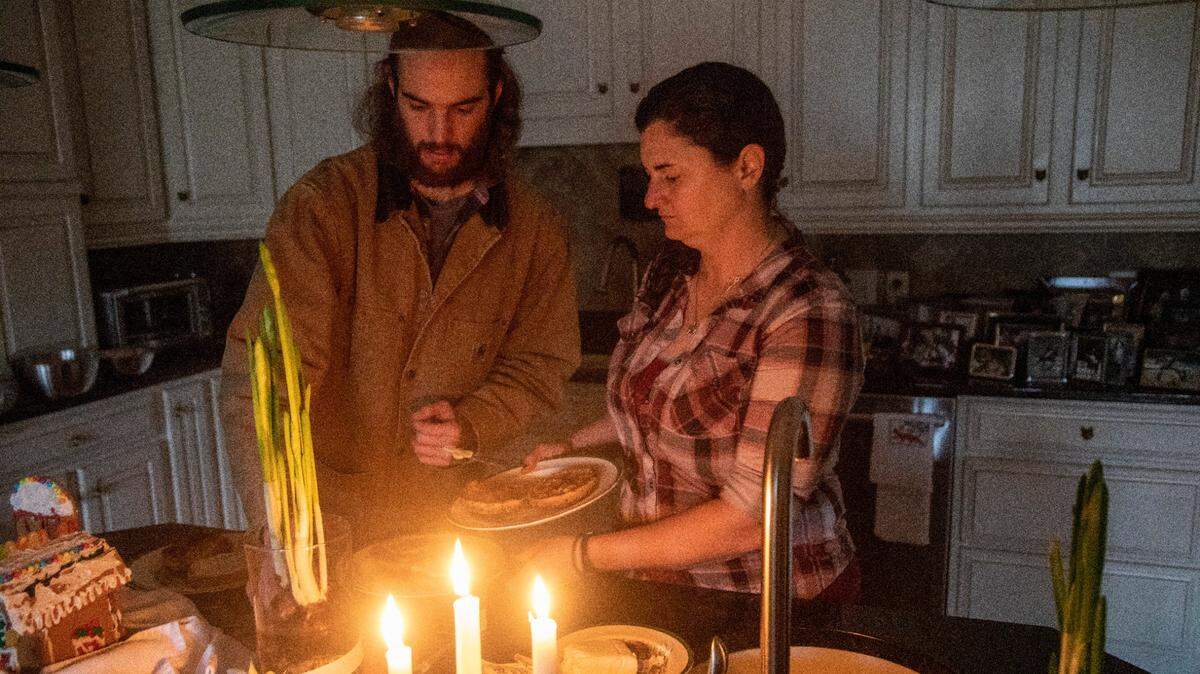
.jpg "20210618_AE_InterfaithEmergencyKits (2).jpg")
During the COVID-19 pandemic, you’ll also want to include these items in your emergency kit:
- Face masks
- Hand sanitizer
- Sanitizing wipes
If you have a baby or young child, you’ll also want to include these items:
- Formula
- Bottles
- Diapers
- Baby wipes
- Pacifier
- Soap
- Baby powder
- Clothing
- Blankets
- Canned food and juices
If you or someone in your family has functional needs, don’t forget these items if they apply:
- Container for hearing aid/cochlear implant processor, to keep them dry
- Extra batteries for hearing aid/cochlear implant
- Communication card explaining the best way to communicate with you
Don’t forget about your pets, either. Include these items for your furry friends:
- Canned or dry pet food
- Water for three to seven days
- Food dishes
- Collar, leash and/or harness
- Immunization records
- Identification tag (should contain the pet’s name and your phone number)
- Current photos of your pets, in case they become lost
- Medicine your pet requires
- Pet beds and toys
- Pet carrier
Remember: You should pack enough supplies in your emergency kit for each person in your household. Pack enough supplies to last three to seven days.
When is hurricane season?
“Hurricane season” technically begins June 1 and runs through Nov. 30. Peak hurricane season is mid-August to late October.
But hurricanes can, and do, occur outside of that window. Since 2010, at least five tropical cyclones outside of hurricane season have impacted North Carolina to some extent.
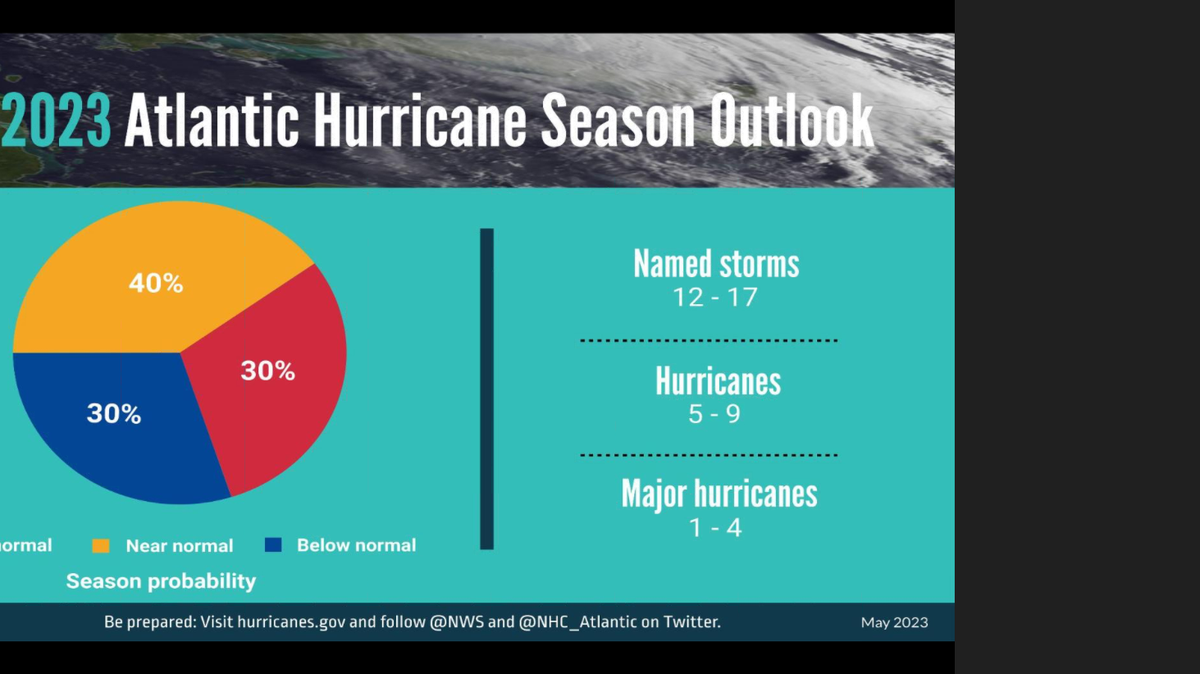
NOAA, the National Oceanic and Atmospheric Administration, is predicting that above-average Atlantic temperatures will mean an “above-average” busy hurricane season.
What is a hurricane?
A hurricane is a type of storm called a tropical cyclone.
▪ A tropical cyclone is a rotating low-pressure weather system that has organized thunderstorms. The storms can bring large amounts of rain, high sustained winds, dangerous storm surges, tornadoes and rip currents.
▪ Hurricanes generally form in the Atlantic Basin, which includes the Atlantic Ocean, Caribbean Sea, Gulf of Mexico, the eastern North Pacific Ocean and, less frequently, the central North Pacific Ocean.
Tropical cyclones are classified by their maximum sustained winds.
▪ Cyclones with maximum sustained surface winds of 38 miles per hour (mph) or less are called tropical depressions.
▪ Cyclones with maximum sustained winds between 39 and 73 mph are called tropical storms.
▪ Storms with maximum sustained winds of 74 mph or higher are called hurricanes.
Hurricanes are further classified by the Saffir-Simpson Hurricane Wind Scale:
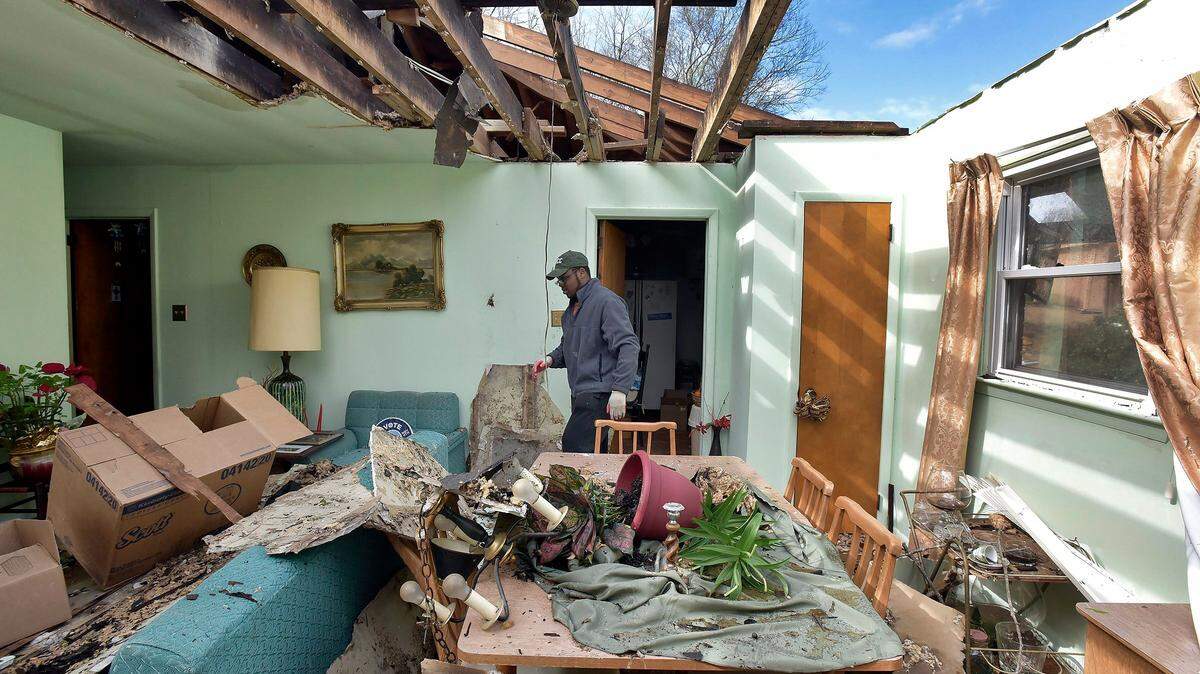
▪ A category 1 hurricane has sustained winds between 74 and 95 mph. Category 1 hurricanes produce “some damage” — think damage to roofs, house siding and gutters, plus large tree branches being downed. Power outages are possible and could last several days.
▪ A category 2 hurricane has sustained winds between 96 and 110 mph. Category 2 hurricanes produce “extensive damage,” including major damage to roofs and siding, along with shallow-rooted trees being uprooted. Near-total power loss should be expected, and could last for several days up to weeks.
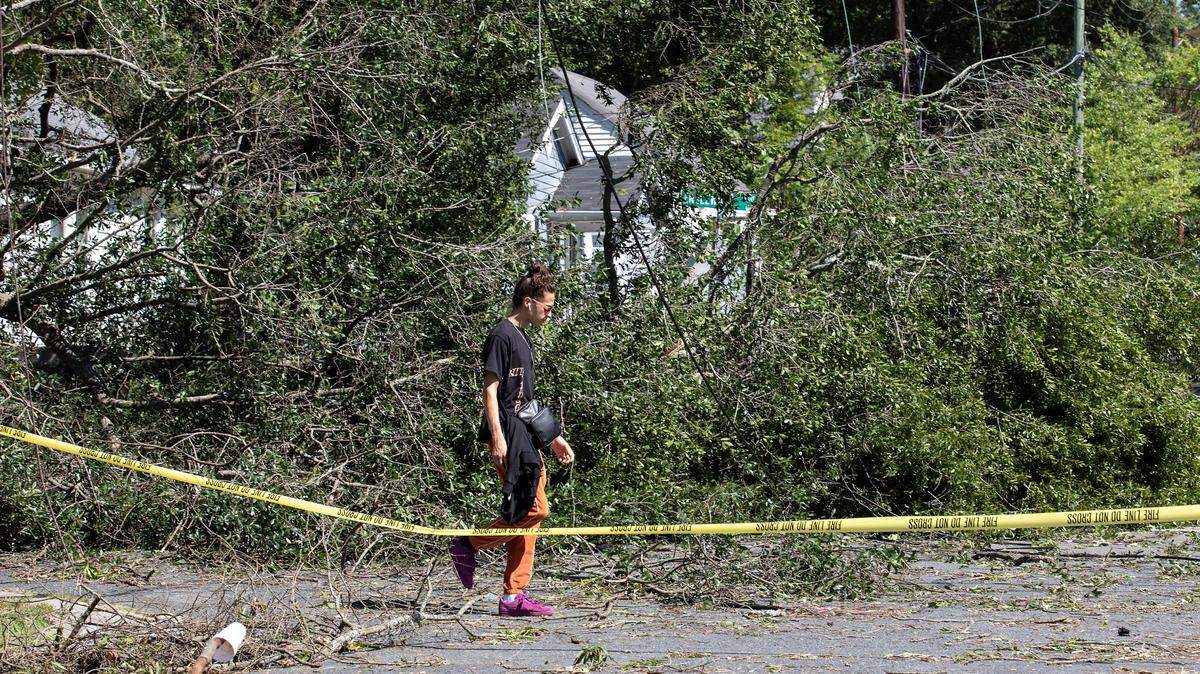
▪ A category 3 hurricane has sustained winds between 111 and 129 mph. Category 3 hurricanes cause “devastating damage.” Well-built homes could suffer major damage, such as the removal of roof decking and gable ends. Trees will snap and be uprooted, blocking roads. Electricity and water will be unavailable for several days to weeks after the storm passes.
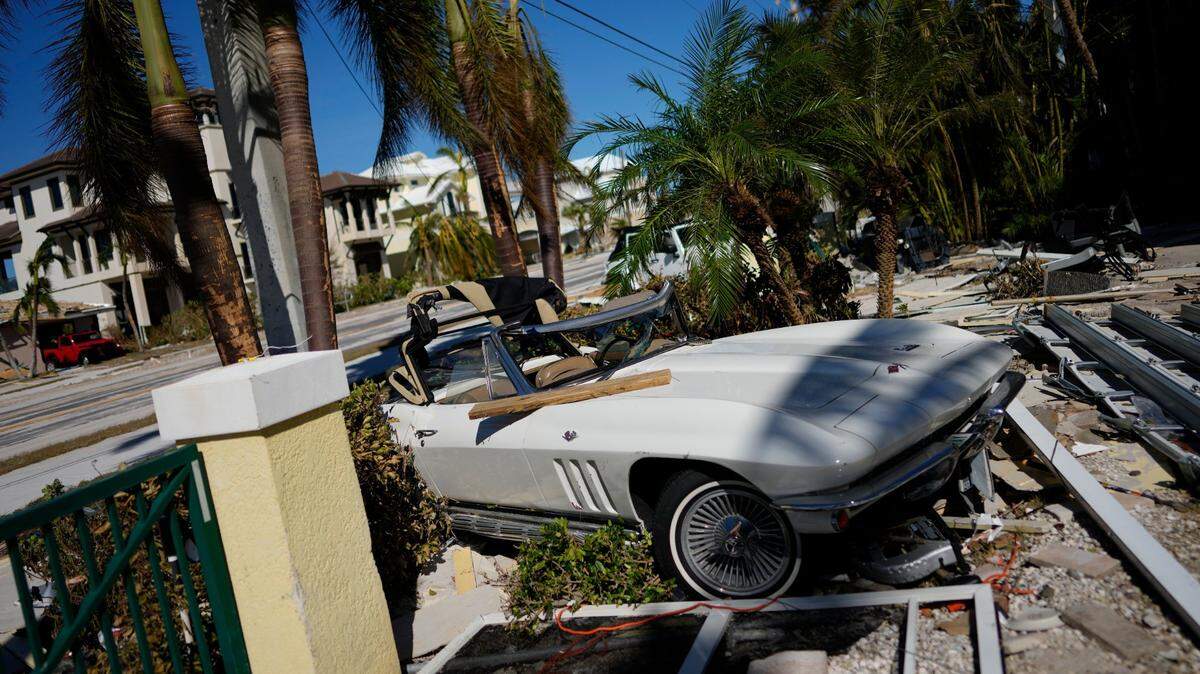
▪ A category 4 hurricane has sustained winds between 130 and 156 mph. Category 4 hurricanes cause “catastrophic damage.” Well-built homes could lose much of their roofs and some exterior walls. Most trees will snap or be uprooted, and power poles could also fall. Power outages will last weeks to possibly months, and most of the area will become uninhabitable for the same time frame.
▪ A category 5 hurricane has sustained winds of 157 mph or higher. Category 5 hurricanes also cause “catastrophic damage.” A high percentage of homes will be destroyed. Power outages will last weeks to possibly months, and most of the area will become uninhabitable for the same time frame.
What’s the difference between a hurricane watch and warning?
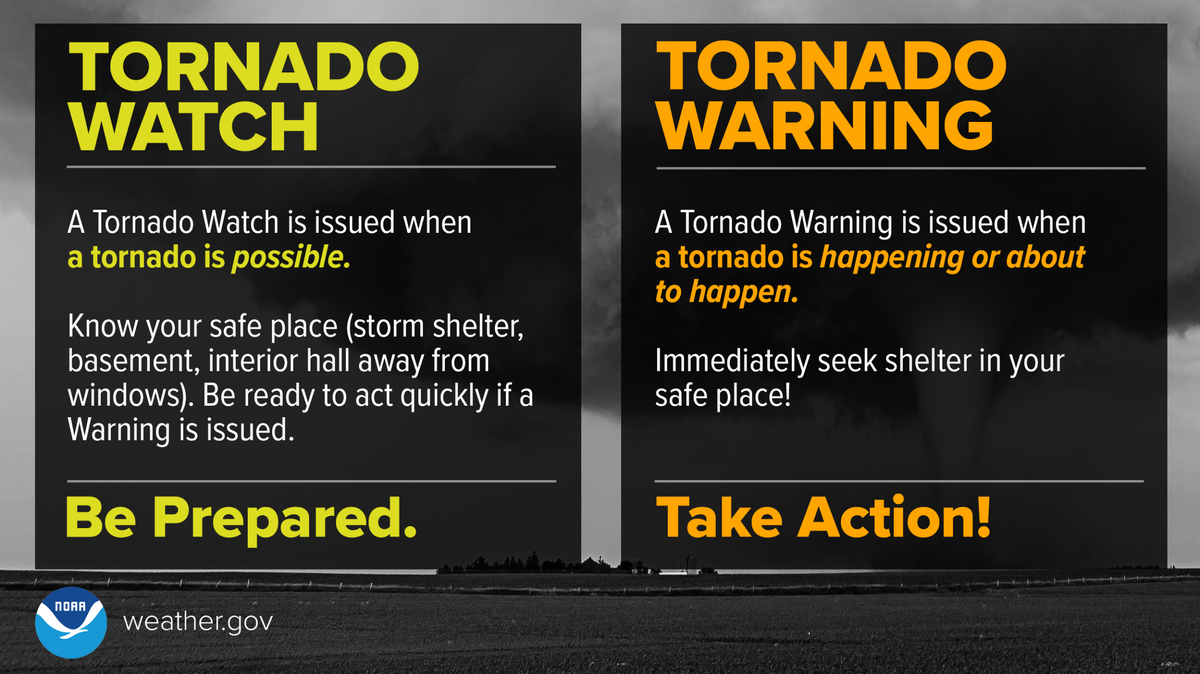
Knowing the difference between storm watches and warnings can help you and your family stay safe as a storm threatens your area.
Watches mean that severe conditions haven’t occurred yet, but could in the near future.
▪ A tropical storm or hurricane watch means that tropical storm or hurricane conditions are possible within 48 hours.
If a warning is issued, it means dangerous weather is imminent.
▪ A tropical storm or hurricane warning means that tropical storm or hurricane conditions are expected within 36 hours.
This story was originally published June 5, 2022 at 3:01 AM with the headline "Before a hurricane: Prepare now by making an emergency kit. Here’s what to include.."

.jpg)
.JPG)
.JPG)
.JPG)
.JPG)