Would inclusionary zoning mean more affordable housing for Merced? City leaders divided
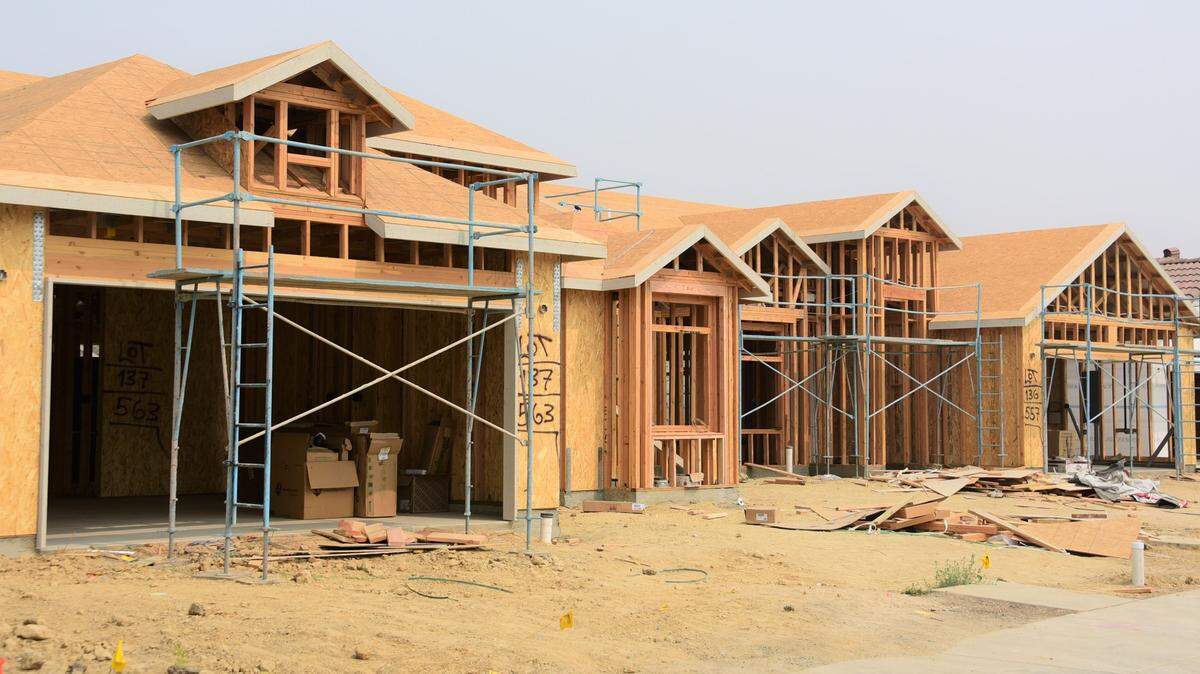
Like cities across the state, Merced officials are scratching their heads and debating their colleagues over how to make housing more affordable to residents.
California’s housing crisis has driven up prices for owners and renters statewide. Merced is no exception.
According to the state, California is in need of about 180,000 new housing units a year to keep up with population growth, yet it is averaging hardly half that number. The resulting climb in housing costs has largely contributed to California having the nation’s highest rate of poverty.
“It’s an area where the state is failing,” Merced Mayor Matt Serratto said of California’s housing crisis. “No one’s got it right.”
The latest tool up for debate in Merced is inclusionary zoning. City Council on April 19 considered whether adopting such a policy would effectively boost the city’s number of affordable housing units. Affordable housing units have costs fixed so that very low to moderate income-level earners spend no more than 30% of wages on housing.
No new affordable housing developments have been completed in Merced since 2014, city staff said.
“It’s not just our imagination, there is not housing being developed for lower income housing levels,” said Sheng Xiong, a resident and policy advocate for Leadership Counsel for Justice and Accountability. Xiong gave an inclusionary zoning presentation to the Council on Monday.
Inclusionary zoning policies essentially require new market rate housing projects to allocate a certain percentage of units to affordable housing. The effect is that affordable housing units are integrated within traditional market rate developments.
With no additional units having been completed in the last seven years, Xiong said the city should at least give a Merced inclusionary zoning policy a chance.
April 19 was not the first time Merced weighed the pros and cons of an inclusionary zoning policy. A prospective ordinance was shot down in 2007 after staff deemed it inappropriate for the city’s needs at that time. Whether history will be repeated remains to be seen.
Proponents of inclusionary zoning say that it helps get more affordable housing built and promotes equitable distribution of affordable units, thus better integrating residents of different economic levels throughout the city and deterring concentrated areas of disparity.
Merced City Council fielded grievances during its Consolidated Plan meeting in July that alleged the city enforces segregation by concentrating affordable housing within Merced’s poorest regions.
“If we don’t undo it, we’re simply perpetuating it,” Xiong said.
No city within Merced County has adopted an inclusionary zoning program, but many cities and counties throughout California and beyond have.
Still, the approach faces significant resistance. Critics argue that inclusionary zoning stifles new housing construction rather than propel affordable housing forward.
The divide was reflected in Merced on April 19 as the council remained almost evenly split in their support.
Council member Bertha Perez said she felt obligated to support inclusionary zoning after listening to her constituents. A total of 45 people called into the meeting to voice their thoughts on inclusionary zoning. The majority were in support, with many citing their own personal challenges over affording to live in Merced.
Council members Fernando Echevarria and Jesse Ornelas also urged their colleagues at the dais to advocate for a Merced inclusionary zoning policy, with Ornelas sharing his own Merced housing struggles.
“We’re probably four months away from me having to step down as a City Council member because I’ll have to move somewhere else that is affordable and has access to homes,” Ornelas said, calling the possibility “frustrating.” His own daughters had to leave the city for more affordable housing too, he said.
Mayor Serratto and Councilmember Delray Shelton each noted hesitancy over inclusionary zoning, each stating that they felt more inclined toward alternative ways to promote affordable housing.
Serratto said he preferred the alternative of a coordinated “affordable by design” approach. The concept is to construct different sized lots, different sized homes and integration of duplex units with a potential requirement for accessory dwelling units. The requirements provide a diversity of housing options that would potentially be available at several income levels for either purchase or as a rental
Both Serratto and Shelton, however, voted to continue the inclusionary zoning conversation with a deeper dive in August into how a Merced-specific policy would look.
Council member Kevin Blake voiced the staunchest disfavor and cast the lone vote against continuing to discuss a possible policy. While a strong supporter of affordable housing, Blake said he doesn’t want to see the government inserting itself into the open market.
No actionable decisions were made on Monday, but City Council voted to return to the matter in August with more information after the next fiscal year’s budget is completed. The council will then reconsider inclusionary zoning as well as other options to increase affordable housing units locally.
“The stories are real. People need affordable housing here,” Xiong said. “I’m glad (the Council) didn’t close the door on it.”
This story was originally published April 23, 2021 at 5:00 AM.