Merced’s getting $27 million in federal funds. It plans to ask residents how to spend it
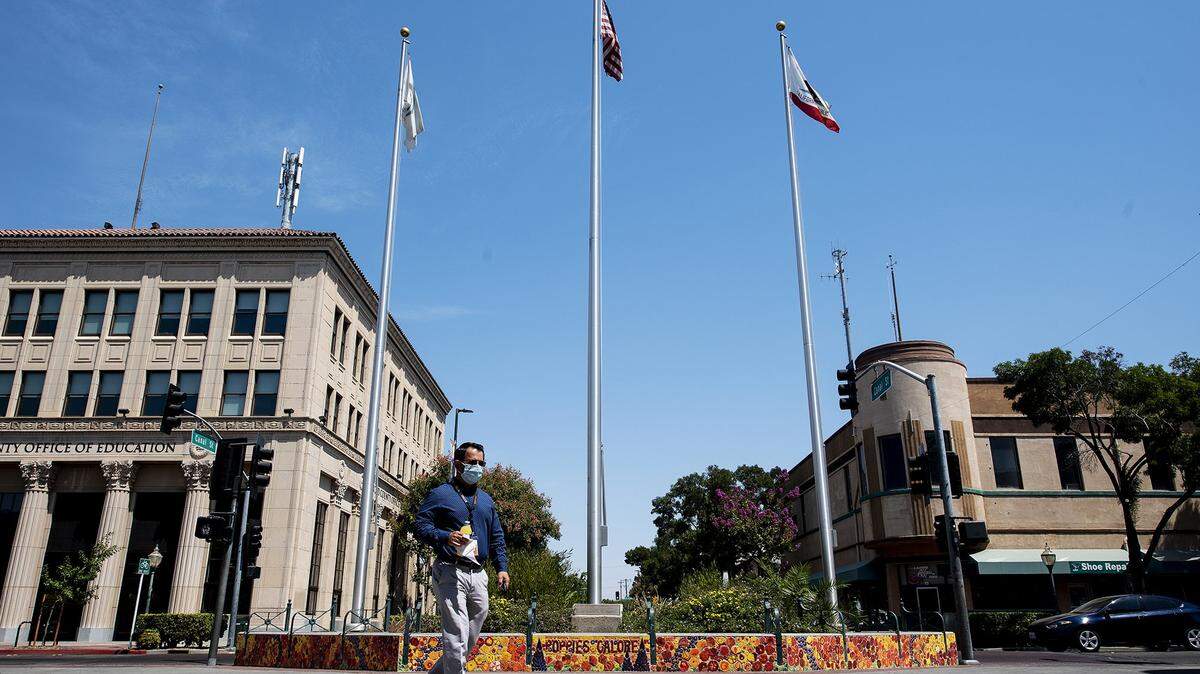
The City of Merced recently accepted more than $27 million in federal funds via the American Rescue Plan Act (ARPA). Now, officials are parsing out how best to spend the large sum.
“This is unprecedented, it’s never been done before by the federal government,” Merced Finance Officer Venus Rodriguez told City Council on Monday.
Merced’ elected officials during Monday’s meeting engaged with residents and city staff about how to allocate funds in a way that addresses the community’s various needs. Council members agreed that the city should refrain from appropriating dollars until going through a thorough public engagement process.
Officials discussed holding a public study session meeting or interactive town hall followed by multiple public hearings, as well as putting out a text blast notifying residents of the opportunity to give input. Councilmember Kevin Blake suggested contracting with The Bus to provide residents with free transportation to the meeting.
“With this amount of money, I think we need to hit as many avenues as we possibly can,” said Councilmember Sarah Boyle.
An outreach plan will be outlined at the next City Council meeting on Aug. 2.
How Merced can spend the funds
The city received the first half of its $27 million on June 28 and will get the remaining half in another year’s time. Dollars can be used to cover costs incurred through Dec. 31, 2024 and must be entirely spent by the end of 2026. But certain guidelines dictate what Merced can — and cannot — use the funds for.
ARPA funds are meant to assist governments with efforts to contain the pandemic and respond to the many COVID-19-caused impacts felt locally. To that end, cities are restricted from allocating the dollars toward uses like rainy day funds, fiscal reserves, pension deposits and paying off outstanding debt or settlement agreements.
Even with the restrictions, the ways Merced can choose to spend its millions are numerous and broad.
A few acceptable uses include responding to costs incurred by the COVID-19 emergency or its economic impacts, such as household, nonprofit or small business assistance. Spending the funds on vaccination programs and personal protective equipment is allowed as well.
The city could also provide premium pay to essential workers or aid industries especially impacted by the pandemic like tourism, travel and hospitality.
Investments in infrastructure improvements like water, sewer and internet are permitted, as is investing in communities hit hardest by COVID-19. Community violence intervention, homeless assistance and affordable housing are just some of many services that dollars could go toward.
How Merced residents and officials say funds should be allocated
Merced residents weighing in on Monday largely said that the money should prioritize the city’s most vulnerable.
“Though the issues are seemingly endless, the American Rescue Plan funds offer a unique and incredibly important opportunity to invest in the needs of Merced residents, especially in low-income communities and communities of color which have been historically excluded,” said a letter sent to City Council members by advocacy group Leadership Counsel for Justice and Accountability.
The public conversation again returned to affordable housing, which has come up frequently during City Council meetings this year. No new affordable housing developments have been completed in Merced since 2014.
While city officials agree that this is a problem, how to tackle the issue is a matter of debate. Council members have been divided in their opinions over adopting inclusionary zoning policies and creating an affordable housing trust fund.
An attempt to set Merced’s surplus 2021-22 budget funds aside for an affordable housing trust fund failed last month due to an even split vote by City Council. Mayor Matt Serratto at the time said that he was hesitant to use city dollars for affordable housing because it is traditionally a job for the private market, but instead suggested leveraging ARPA funds.
Several residents on Monday reminded City Council of that suggestion.
Leadership Counsel for Justice and Accountability’s letter urged city leaders to allocate $5 million toward affordable housing tools like a trust fund, inclusionary zoning, housing rehabilitation and tenant assistance.
While refraining from allocating dollar amounts to specific programs until after the community engagement process takes place, council members appeared to agree with many of the residents who spoke on Monday. People are suffering, and it’s pretty blatant in our face,” Councilmember Jesse Ornelas said.
Council members also voiced support for using the funds for homeless programs, youth jobs and mentorship, aiding local businesses, improving parks and water conservation and drought resistance.
Given the large amount of funds and the extent of permitted uses, council members said they hoped to engage more members of the public than usual once it comes time to discuss spending the dollars. Councilmember Delray Shelton even urged his colleagues to walk precincts and notify residents of the opportunity to give input.
“If we want to engage with the community, we need to reach more people,” Councilmember Bertha Perez said.