City of Merced budget talks kick off with a housing debate. Were local leaders receptive?
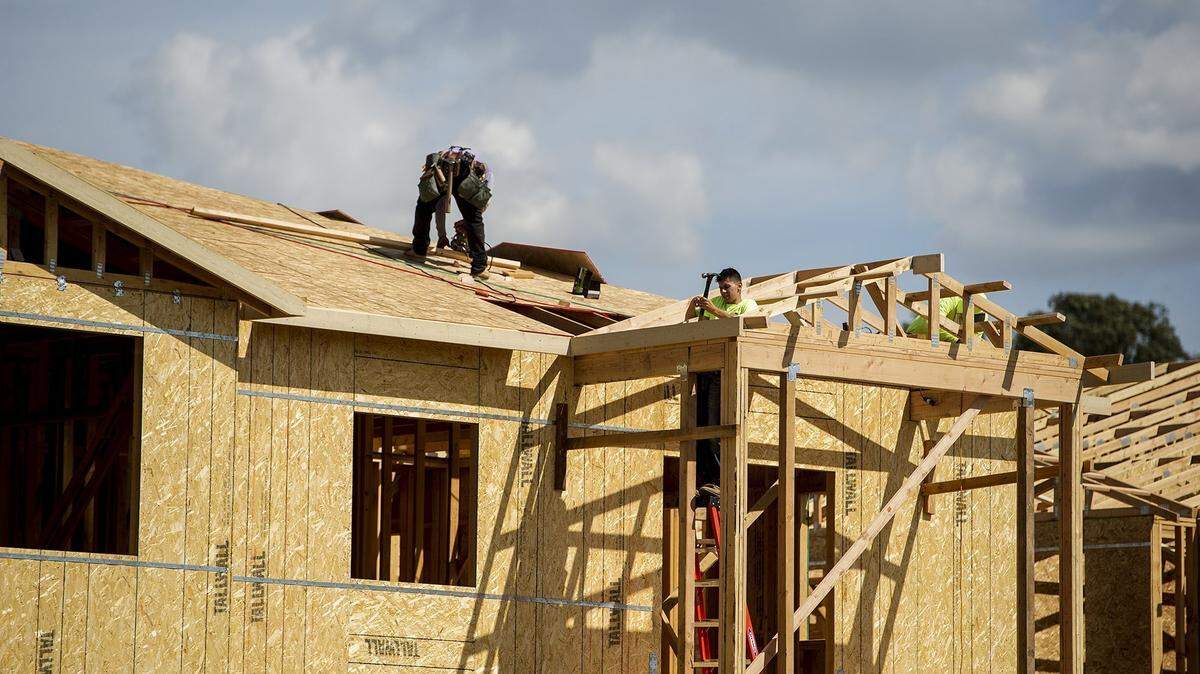
The first of what is shaping up to be several debates kicked off Monday night in City Hall, as Merced officials and community members discussed funding priorities for the city’s 2022-23 budget.
“A budget is a big statement of our priorities. It’s very important... we recognize that,” Merced Mayor Matt Serratto said while addressing a crowd of attendees notably larger than most City Council meetings.
This fiscal year’s recommended budget totals $383.4 million, with the general fund, which covers essential municipal services like public safety and public works, tallying $53.2 million. That’s up from last year’s $320.1 million budget and $51.3 million general fund.
The 2022-23 budget won’t be finalized by elected officials until mid-summer. Until then, the public can weigh in on the proposed financial plan.
Merced leaders craft each fiscal year’s objectives by engaging with the community and adopting a list of goals and priorities. Making this year’s list is downtown and economic development, city beautification, parks and recreation, public safety and housing and homelessness.
While the budget aims to address each issue, City Manager Stephanie Dietz said the priority staff has heard most about is affordable housing. Affordable homes have costs fixed so that lower-income occupants spend no more than 30% of their income on housing.
That priority was clear Monday night when, as it has during many meetings for over a year, the scarcity of housing and lack of affordable homes dominated much of the long conversation.
Advocates’ requests for a significantly larger financial commitment to housing went mostly unanswered, but elected leaders were persuaded to allocate more funds toward affordable housing than originally set aside in the budget.
The proposed 2022-23 budget includes $7.7 million for affordable housing projects and related community services.
The city’s budget message also noted that upwards of $30 million in grants are being leveraged to build more housing in conjunction with the $6.5 million in American Rescue Plan Act funds for affordable housing.
Merced leaders respond to affordable housing request
Many speakers Monday night urged elected leaders to invest more city dollars in affordable housing. Community members renewed calls for an affordable housing trust fund, asking that the budget include $5 million to promote the development of affordable units.
The push for an affordable housing trust fund has been one of the most rallied-behind causes by advocates during the last year.
Although the city has been evaluating options for a county-wide or local fund, proponents pleaded with Merced officials to expedite the process and establish a housing trust fund this budget cycle.
Several residents noted the mayor’s assertion that the budget is a statement of priorities. They called on Serratto and his colleagues to recognize housing as a bigger priority by allocating more of the budget toward it.
“I want to see you all put money where the talk has been the last two years, with housing,” resident Noelle Anderson said to city leaders during public comment.
Advocates like Sheng Xiong, a Merced resident and policy advocate for Leadership Counsel for Justice and Accountability, said the injection of local dollars is necessary because state and federal funding for housing has proven insufficient.
Xiong and other proponents likened a local investment in affordable housing to the city investing in public safety.
“When we talk about public safety, we cannot just mean police and fire,” Xiong said. “People cannot feel safe if they can’t afford to live here.”
Merced County Health Officer Dr. Salvador Sandoval echoed Xiong’s comments about housing being a safety issue. He relayed his experience overseeing the local response to the COVID-19 pandemic, recalling how residents living in crowded homes were especially vulnerable to contracting the highly contagious virus.
“Merced is growing significantly,” Sandoval said. “I think the city has a responsibility to all of its citizens.”
Some residents shared their own Merced housing struggles. Stories ranged from families with children experiencing homelessness to students living with as many as eight roommates to couples working full time and still struggling to pay rent.
Similar experiences have been relayed frequently over the past couple of years, as Merced’s housing woes became the most discussed issue. Merced’s low vacancy rate, cited by officials at less than 1%, coupled with its rapid growth pose a challenge for renters and low-income residents competing for a place to live.
“Housing, it’s not just the biggest issue here, it’s the biggest issue throughout the state,” Serratto said Monday in recognition of attendees’ concerns.
While some City Council members reiterated their support for a housing trust fund, as they have during past meetings, where to source those dollars proved difficult.
Ultimately, requests for a $5 million housing trust fund weren’t met, but city leaders did vote to set aside an additional $500,000 from the general fund surplus for affordable housing. What those funds will be specifically used for has yet to be decided.
Only Councilmember Kevin Blake voted against the $500,000 boost. He cited wariness over current economic trends as reason for his hesitancy to spend additional general funds.
More on the budget
Another matter of debate Monday was community groups’ funding proposals for local projects, which are submitted during the budget process.
Several City Council members said they felt the list of 10 proposals, which include festivals, literacy initiatives, anti-bullying programs and more, didn’t adequately reflect the community’s wants and needs.
The Council voted to reopen the request for project proposals. The new batch of projects will be considered alongside the original submissions. Funding will be capped at $30,000.
Elected leaders also directed Merced staff to reevaluate whether the six additional staffing positions recommended for various city departments are necessary before the budget is finalized.
Although the 2022-23 budget is balanced, for the first time in several years general fund expenses are expected to slightly exceed revenues. This is largely on account of Merced recently hiring a new city attorney, Finance Officer Venus Rodriguez said.
Rising expenses were also due in part to negotiated labor increases and rising costs of maintenance and services, she said.
Other Merced priorities addressed in the budget are the city’s goal to foster a business-friendly culture that welcomes new investment. The proposed budget sets aside $50,000 to examine future industrial and technology park areas.
Another $3 million is recommended for street rehabilitation and quiet zone enhancements Measure V and SB1. The creation of a new safe streets project with $1 million from Measure C to replace neighborhood streetlights with brighter LED lights is also included.
More about the proposed 2022-23 budget can be found on the City of Merced’s website.
This story was originally published May 17, 2022 at 2:26 PM.