Homelessness in Merced under spotlight as city moves toward public camping ordinance
With the City of Merced moving toward passing an ordinance that would provide stricter penalties for unlawful camping on public property the homeless community is once again in the spotlight.
There were 837 unhoused individuals counted in Merced County in the 2024 Homeless Count Report, which was conducted in January of 2024 by Merced City and County Continuum of Care.
That is 53 more people or a 6.8% increase from the 784 homeless individuals counted in 2023.
The number of sheltered and unsheltered people are added into the homeless count. The 2024 numbers include 428 unsheltered and 409 sheltered.
The City of Merced led the way with a homeless population of 573 people, including 197 living in unsheltered environments. The number of unsheltered people living in Merced is actually down 30 individuals, 1a 3% decrease from 2023. However, the number of sheltered individuals rose from 344 to 376 people or a 9% increase.
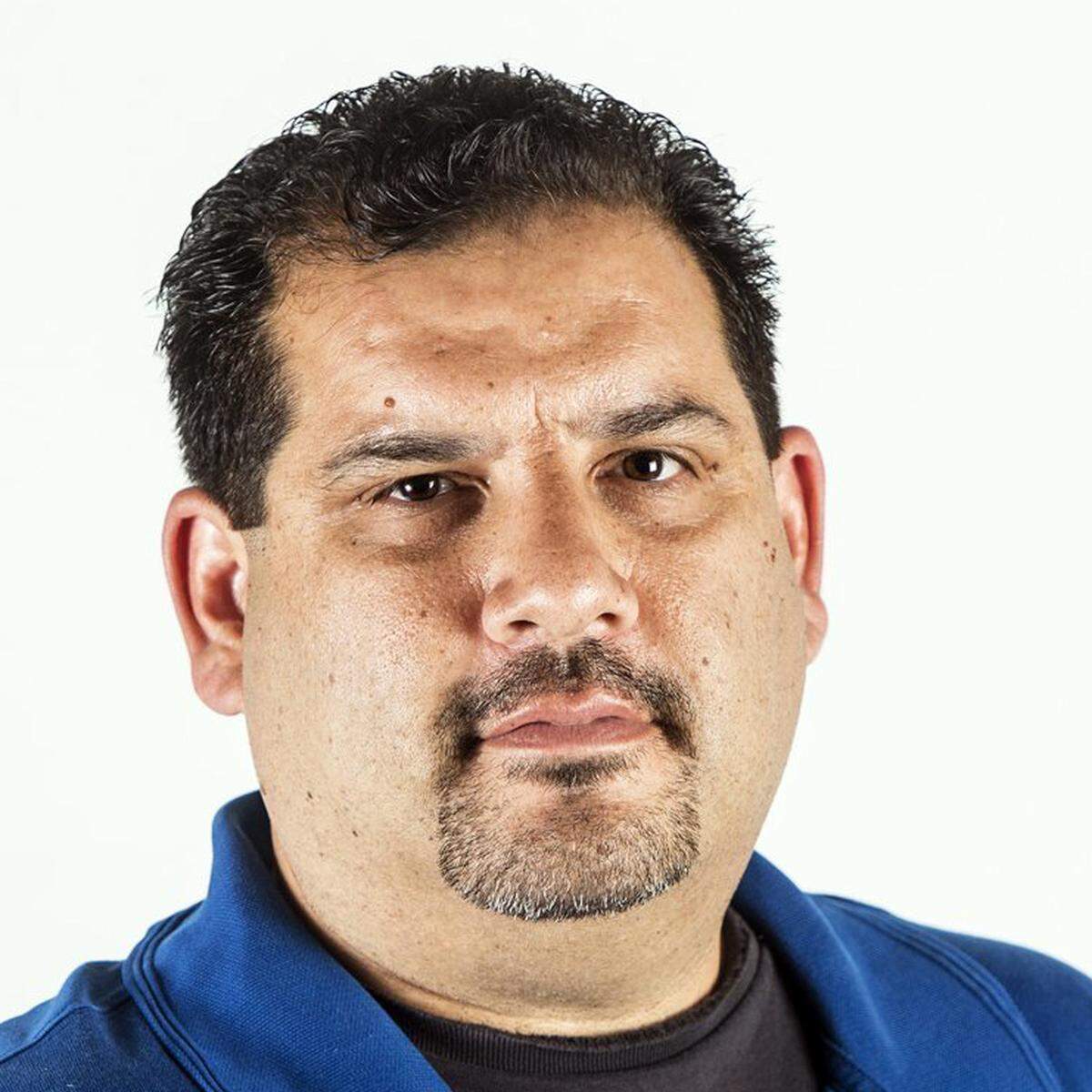
“We’ve been increasing in population in the city pretty quickly but it’s still a very significant issue,” said Merced Mayor Matthew Serratto. “Given the size of our town, it’s very, very visible, and it affects a lot of people.”
The ordinance to be reviewed by council Monday, prohibits anyone from camping in public spaces and using their belongings, such as tarps or blankets as camping gear or storing their belongings on public property. This ban includes parks, streets, sidewalks, parking lots and within 1,000 feet of a school.
Penalties include fines of $50 first offense, $150 second offense within 12 months of the first offense and $300 for each additional violation within 12-months of a first offense.
Repeat offenders also may be banned from certain areas for up to 30 days of a violation, charged with criminal trespassing and jailed for up to 30 days.
“It’s one thing to have those laws on the books, but you need to be able to have the capacity and the bodies to enforce it,” Serratto said. “It takes a proactive, dedicated police team.
Serratto says the goal is then for social workers and outreach workers to help get the homeless people off the street.
“It’s getting them in the shelter, and then finding out what the issues are,whether it’s drugs or mental health, or is it simply finding job training,” he said. “Then it’s getting them into the programs that work on them, getting them stabilized and hopefully finding them permanent housing.”
According to the statistics provided in the Homeless Count Report, 43.3% of the homeless population in Merced County fall between the ages of 35 to 54 years old. People over 65 years old only make up 7.8% of the unhoused population in the county.
According to Healthcare for the Homeless, the life expectancy for a person experiencing homelessness is 48 years. Serratto said Social Security benefits also kick in for the older population and some seek programs and services.
“Being out on the street, ages you fast, and people’s life expectancy drops dramatically,” Serratto said. “It’s really hard to be over 60 and on the street, especially over 65, that is really hard.”
In the City of Merced, the number of men (148) more than triples the amount of women (46) experiencing homelessness.
“It’s really hard to be a woman on the street,” Serratto said. “I mean, you’re subject to all the dangers of the street, plus, you’re much more vulnerable to violence, much more vulnerable to sexual assault.”
The City of Merced has been aggressive when it comes to offer the homeless housing, he said. Merced received $11.2 million from the state this summer for the Homekey Project to be used for permanent supportive housing to go along with the 1213 D Street project. Merced County opened up the Navigation Center in 2021 in Merced that created a facility that offered beds and services to help transition people off the street.
“There’s a lot of political will and emphasis on providing housing,” Serratto said. “You need to have units. You need to have housing, but also there are a lot of really good programs out there. These programs provide a lot of services that get people off of drugs, address mental health issues, provide job training and just get people back to being productive citizens and self sufficient.”