New eviction moratorium issued by CDC as delta variant spreads. Here’s what to know
READ MORE
Evictions in Kansas City
A new federal eviction moratorium was issued through Oct. 3 after housing activists and some politicians demanded the government do more to help more renter across the country as the pandemic grinds on. The previous moratorium ended July 31. Here’s what Kansas Citians need to know.
Expand All
The Centers for Disease Control and Prevention on Tuesday issued a new temporary eviction moratorium for areas with high or substantial levels of COVID-19 transmission.
The order comes after the CDC’s previous moratorium expired over the weekend — putting millions at risk of eviction — and as concerns are rising about the highly contagious delta variant, which is spreading rapidly throughout the U.S. and spurring coronavirus outbreaks.
But the new moratorium is more narrowly targeted than the previous ban in that it covers only areas experiencing certain levels of coronavirus spread. Here’s how it works.
What the order does
The new order temporarily halts evictions in counties with “heightened levels” of COVID-19 spread until Oct. 3.
Landlords and others with a “legal right to pursue eviction or possessory action” may not evict anyone covered under the order if the area they live in is experiencing high or substantial coronavirus transmission levels.
Those who violate the order could face fines, jail time or both.
Who is covered
The order covers tenants or residents who indicate to their landlord that they have “used best efforts” to obtain rental or housing assistance from the government and who either made no more than $99,000 in 2020 or expect to make no more than $99,000 in 2021, according to the CDC.
Where it applies
The new order applies only to areas that are experiencing substantial or high COVID-19 transmission levels.
Health officials define substantial transmission as when 50 to 99.99 new COVID-19 cases per 100,000 people have been reported in the past seven days, while high transmission indicates 100 or more new cases per 100,000 people have been reported in the past seven days.
Each county’s transmission level can be found here.
As of Wednesday, the moratorium applies in the vast majority of counties — with roughly 61% experiencing high transmission levels and nearly 20% experiencing substantial transmission levels, according to the CDC.
Why it matters
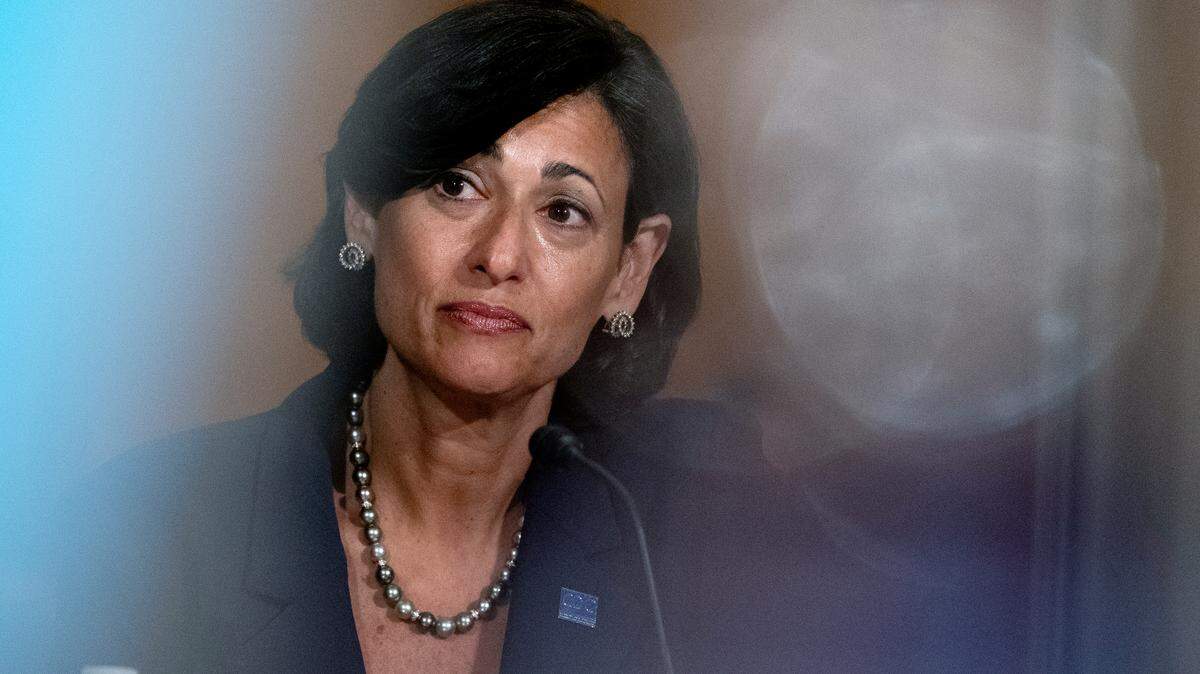
The moratorium comes as the delta variant has “led to a rapid acceleration of community transmission” in the U.S. and put more people — especially those who are not vaccinated against COVID-19 — at an increased risk, CDC Director Dr. Rochelle Walensky said in a statement.
“The eviction moratorium allows additional time for rent relief to reach renters and to further increase vaccination rates,” the CDC said. “In the context of a pandemic, eviction moratoria — like quarantine, isolation, and social distancing — can be an effective public health measure utilized to prevent the spread of communicable disease.”
Additionally, 3.6 million people in the U.S. said as of July 5 that they face being evicted within the next two months, the Associated Press reported based on U.S. Census Bureau data.
“Today is a day of extraordinary relief,” House Speaker Nancy Pelosi said in a statement Tuesday. “Thanks to the leadership of President Biden, the imminent fear of eviction and being put out on the street has been lifted for countless families across America. Help is Here!”
How we got here
President Joe Biden’s administration previously said it did not have the authority to again extend a national moratorium on evictions after a Supreme Court opinion by Justice Brett Kavanaugh in June said any further extensions would need approval from Congress.
Biden’s administration instead called on Congress to take action on preventing evictions. But top Democratic lawmakers said doing so on short notice would not be possible and instead called on the administration to take action.
The moratorium — which had been extended several times since the beginning of the pandemic — was allowed to expire Saturday. But Walensky then signed an order Tuesday creating the new moratorium.
Biden said Tuesday ahead of the new order that any extension to the moratorium was likely to face legal challenges.
“Any call for a moratorium based on the Supreme Court recent decision is likely to face obstacles,” he said. “I’ve indicated to the CDC I’d like them to look at other alternatives than the one that is in existence, which the (Supreme) Court has declared they’re not going to allow to continue.”
This story was originally published August 4, 2021 at 8:18 AM with the headline "New eviction moratorium issued by CDC as delta variant spreads. Here’s what to know."