
California’s plan to update its 911 system took a costly wrong turn | Opinion
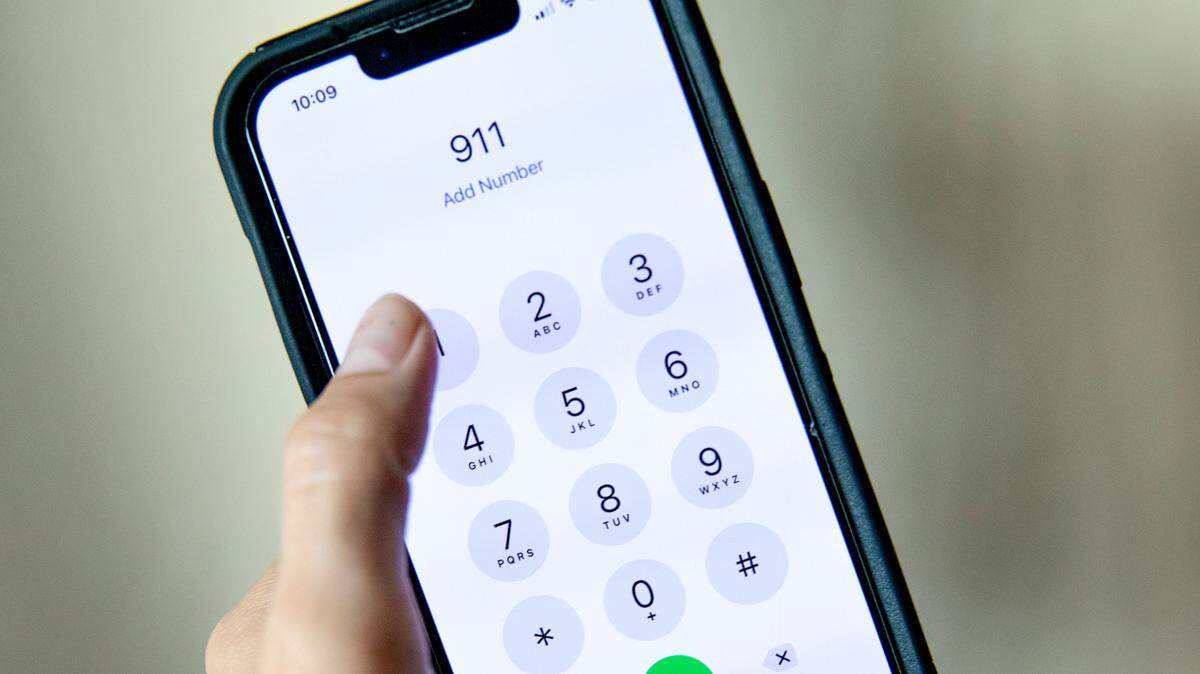
When you dial 911, you expect your call to go through and for help to arrive quickly. But California’s 50-year-old emergency notification network is outdated; lacks modern capabilities like text, video and precise caller location; and sometimes, it outright fails.
The state office in charge of coordinating emergency response has long recognized these weaknesses and has spent more than $500 million of taxpayer money building a better system. But now, it has needlessly abandoned this system in pursuit of another upgrade.
All this is at the expense of taxpayers who are having their money wasted by a state agency that is botching the much-needed update of our 911 system.
The job of updating 911 has fallen to the California Office of Emergency Services (Cal OES), the agency that coordinates and plans for emergency responses in the state. Cal OES has been working on this for years.
The new network, called Next Generation 911, was designed with built-in backups. Different vendors manage different regions, and those regions are connected to each other, so if one has a problem, another can instantly takeover. This “multi-vendor” design spreads the risk and prevents an outage from taking down service across an entire region, or worse, the entire state.
In the Central and Los Angeles regions of California, Next Generation 911 is fully built and ready to go. But instead of moving forward with, it the California Office of Emergency Services plans to scrap it, and in its place, build a new single-vendor network that will keep the outdated legacy network running for another five to seven years, cost hundreds of millions more, and strip away the regional back-ups that make Next Generation 911 so secure. One outage on a single-vendor network could take down the entire state’s 911 service at once, just like Pennsylvania experienced during a recent, statewide 911 blackout.
The financial implications of this plan by Cal OES are staggering: Instead of using what taxpayers have already funded, the state will need to spend an estimated $700 million more to maintain the existing system until a fully new system is built. This additional $700 million taxpayer investment does not include the still unknown cost of designing and building the new NG911 single-vendor network, but on the low end, California is looking at a nearly billion dollar do over; throwing away what taxpayers have already paid for and paying even more for something less effective. All this amounts to an insult to every taxpayer who believed their investment was going toward a safer future.
In cities like Fresno, Modesto and Stockton, and in the farming towns and rural counties that make up the heart of our economy, we cannot afford delays in emergency response. Many Central Valley residents already face longer wait times for first responders. Without Next Generation 911’s built in back-ups and improved location accuracy, a call from a rural road, farm or small-town neighborhood could mean precious time lost before help arrives.
The only claim Cal OES has made for the change is that the built and paid for Next Generation 911 system is too complex. But in a state as large and diverse as California, complexity is not a flaw, it’s a feature that keeps people safe.
Next Generation 911’s current build was meant to replace the failing legacy network, eliminate the possibility of statewide outages, and give every Californian equal access to modern emergency communications. Walking away now wastes taxpayer dollars, breaks the state’s promise and leaves Central Valley residents more vulnerable.
The Central Valley Taxpayers Association has always fought to protect public investments and demand accountability from government. This decision fails both tests. We already paid for a system that works. It should be delivered, not dismantled.
The Central Valley deserves better, better governance, better accountability for taxpayer funding and a modern 911 system that is ready now, not years from now. We urge our state legislators, county leaders and public safety officials to push back against this wasteful and dangerous decision.
Eric Eisenhammer is executive director of the Central Valley Taxpayers Association.
This story was originally published September 18, 2025 at 5:00 AM with the headline "California’s plan to update its 911 system took a costly wrong turn | Opinion."