Northern California earthquake causes gas hazards. Here’s how to check for leaks
READ MORE
Humboldt County Earthquake
Click the arrow below to read more about the earthquake that shook Northern California.
Expand All
As the dust settles from Northern California’s early Tuesday morning magnitude-6.4 earthquake, your building’s gas supply should be your next priority.
Earthquakes can damage gas piping and appliances, according to Earthquake Country Alliance, causing gas leaks and in worst cases, building fires.
Earthquakes are more likely to induce gas leaks if:
- There are structural weaknesses
- Gas appliances are not anchored
- Flexible pipe connections are not used.
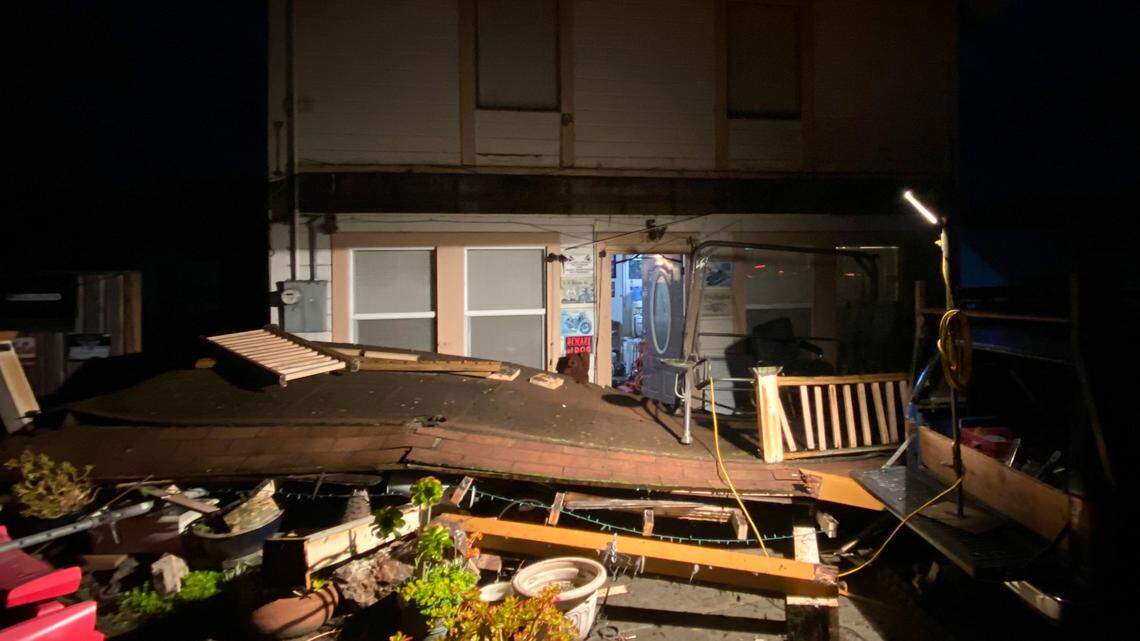
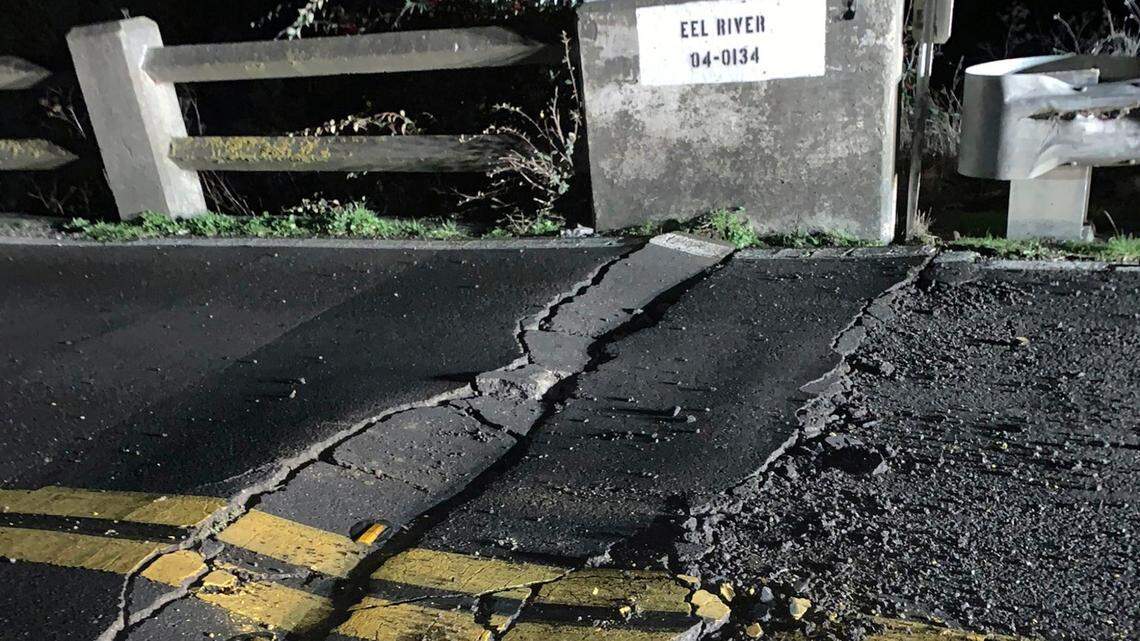
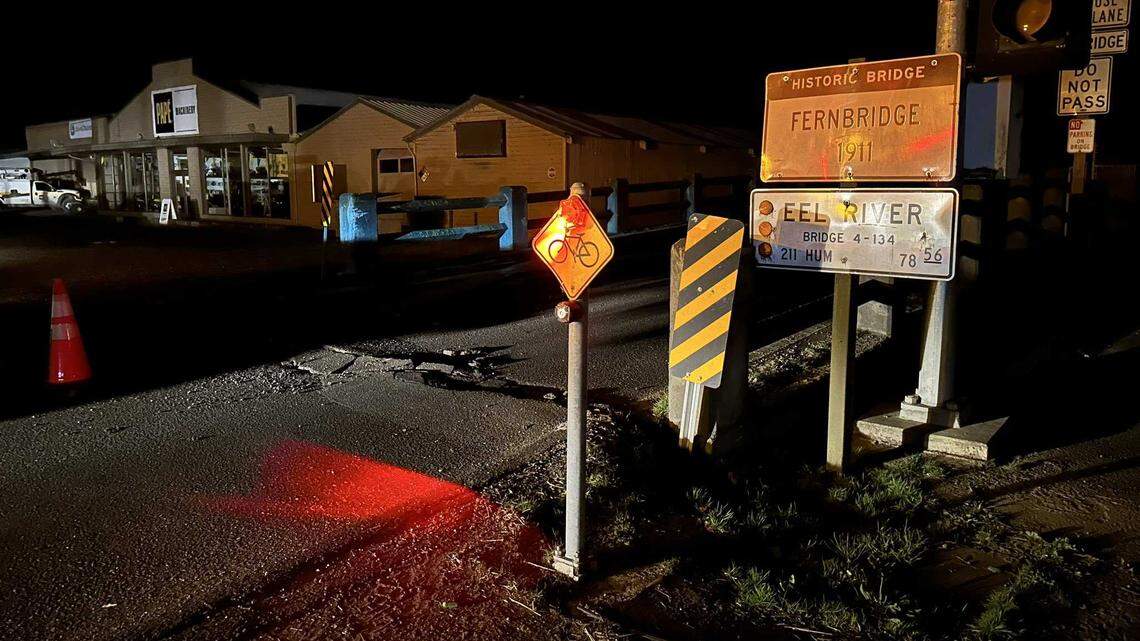
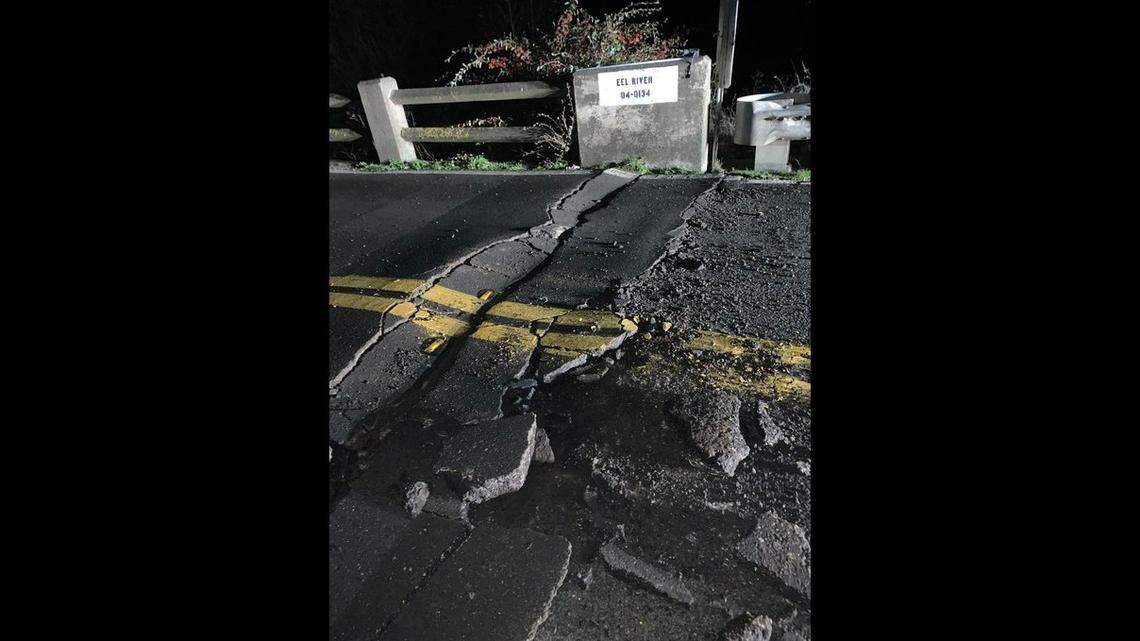
Residents and journalists in Northern California reported scattered gas leaks and burst water pipes in the Humboldt County area, with one gas leak sparking a residential fire in Rio Dell where a 4.6-magnitude aftershock hit.
More than 40 aftershocks were reported and smaller ones are expected in the next couple days, according to the U.S. Geological Survey.
Here’s what you need to know about which gas appliances to check inside your home, what to be on the lookout for after an earthquake, how to shut your home’s gas supply off and how to prepare your pipes for future earthquakes.
How to check your pipes
The first step in checking for gas leaks after an earthquake, according to Earthquake Country Alliance, is to examine all natural gas appliances. Here a few common household gas machines:
- Water heaters
- Dryers
- Stoves
- Ovens
- furnaces
Next, check if each appliance remains connected to the floor or walls and its flexible pipe connectors are in tact. If you don’t smell gas, hear it escaping or suspect the appliance is broken — you’re good to go.
If you’re concerned your home is at risk for a gas leak, the best thing to do is to manually shut the gas off at the gas meter.
Just remember: Once you shut the gas off, it can only be turned back on by an expert. You could be waiting a while to use your gas appliances if your area is in high demand for qualified workers.
Where is my gas meter located?
The location of your home’s gas meter, according to Pacific Gas and Electric Company, depends on both the type of building and when it was installed.
Traditionally, the system is situated on the side or in the front of the building. In other cases, the meter is installed in a designated cabinet.
Once you locate your gas meter, Use a wrench tool to turn off the manual valve.
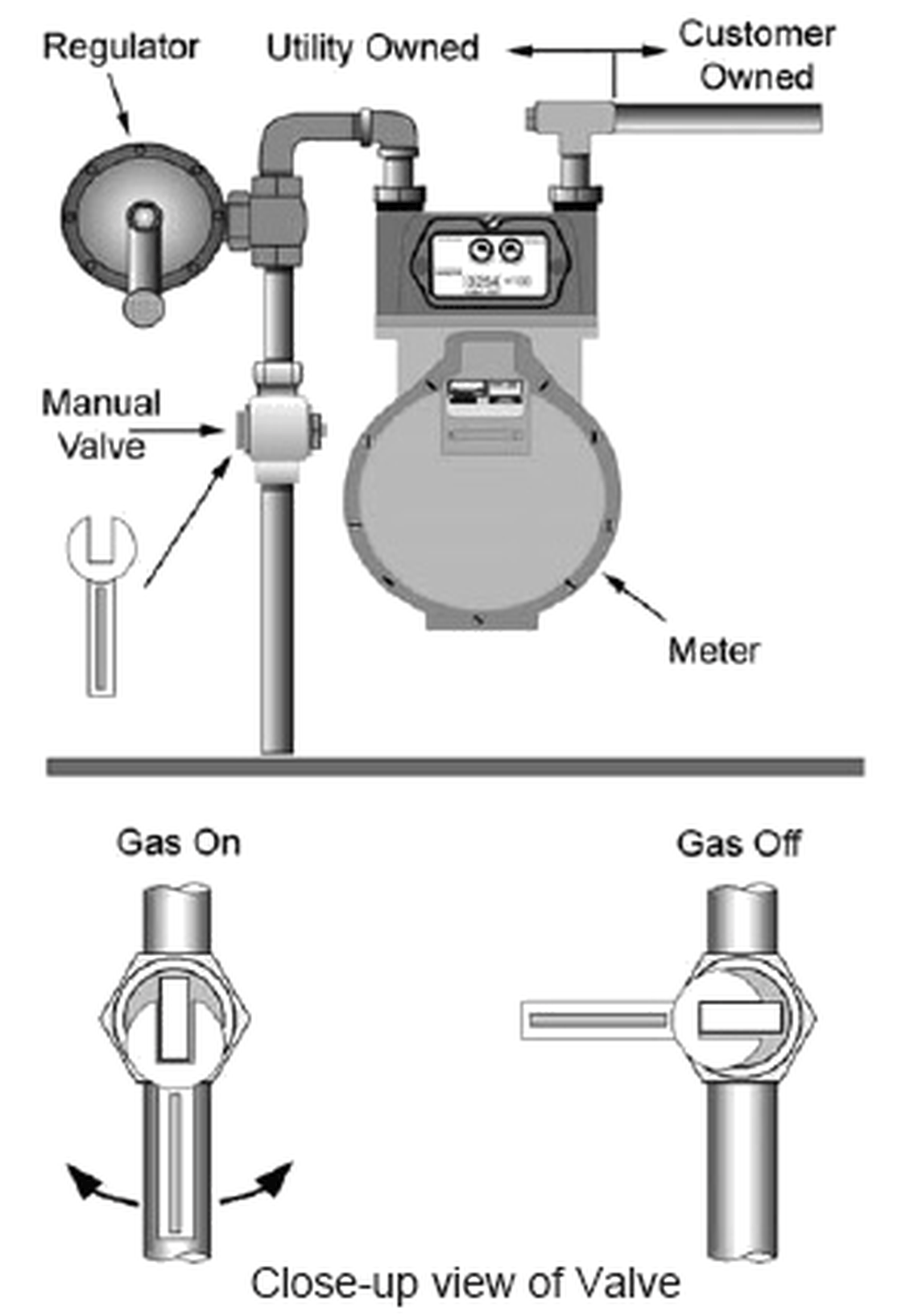
How to prepare your gas pipes for an earthquake
The best way to prepare for an emergency is to think ahead.
Knowing the location of your main gas service is the first step in being able to act quickly in an emergency. Once you know exactly where your both the gas meter and the shutoff valve is, make sure that you have access to it.
Another tip: Keep a wrench tool in the home in case of an gas emergency.
This story was originally published December 20, 2022 at 9:48 AM with the headline "Northern California earthquake causes gas hazards. Here’s how to check for leaks."