What triggers an earthquake and how are they measured? A California physicist answers
READ MORE
Humboldt County Earthquake
Click the arrow below to read more about the earthquake that shook Northern California.
Expand All
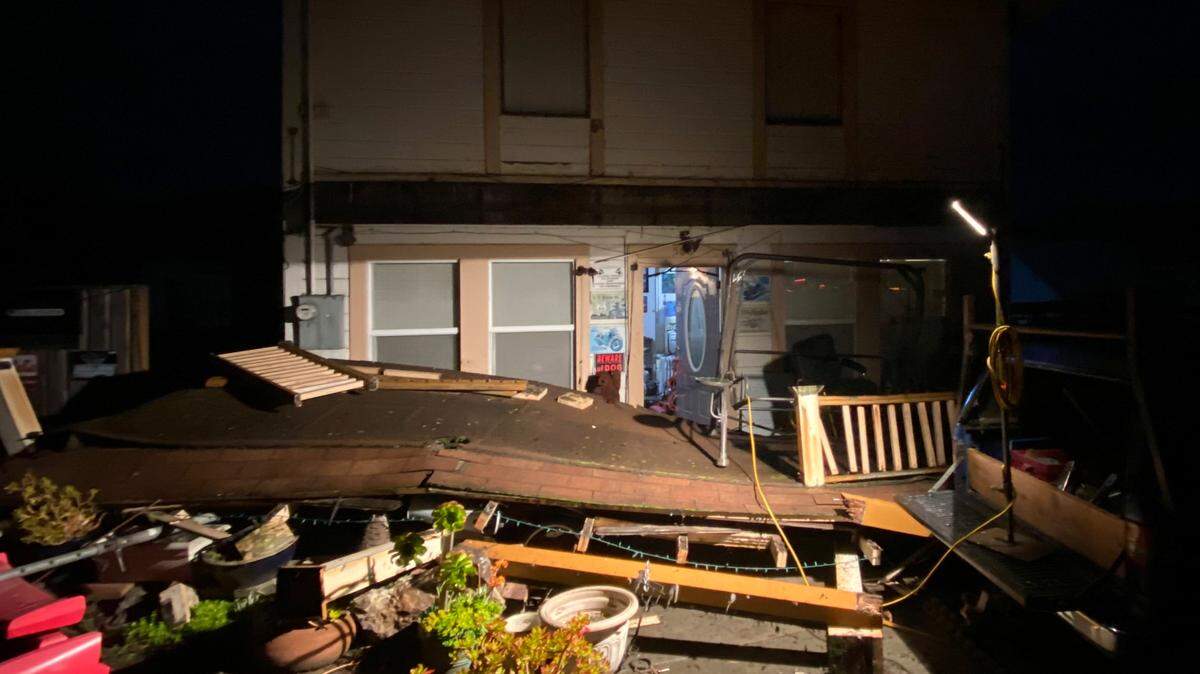
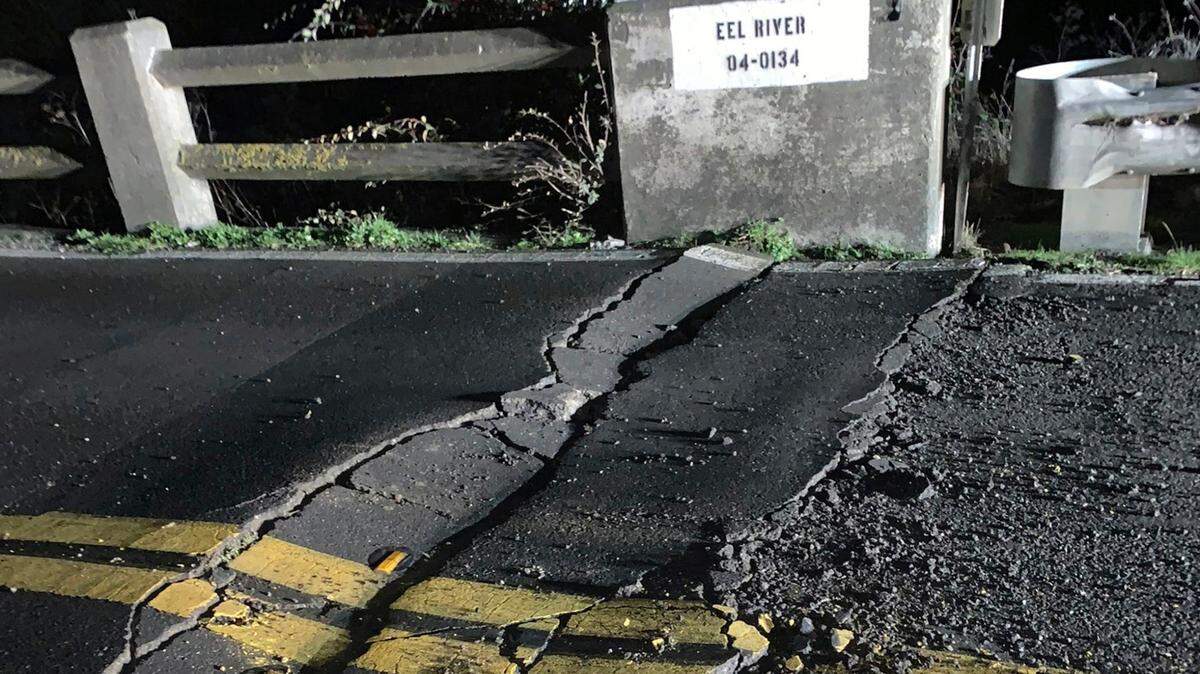
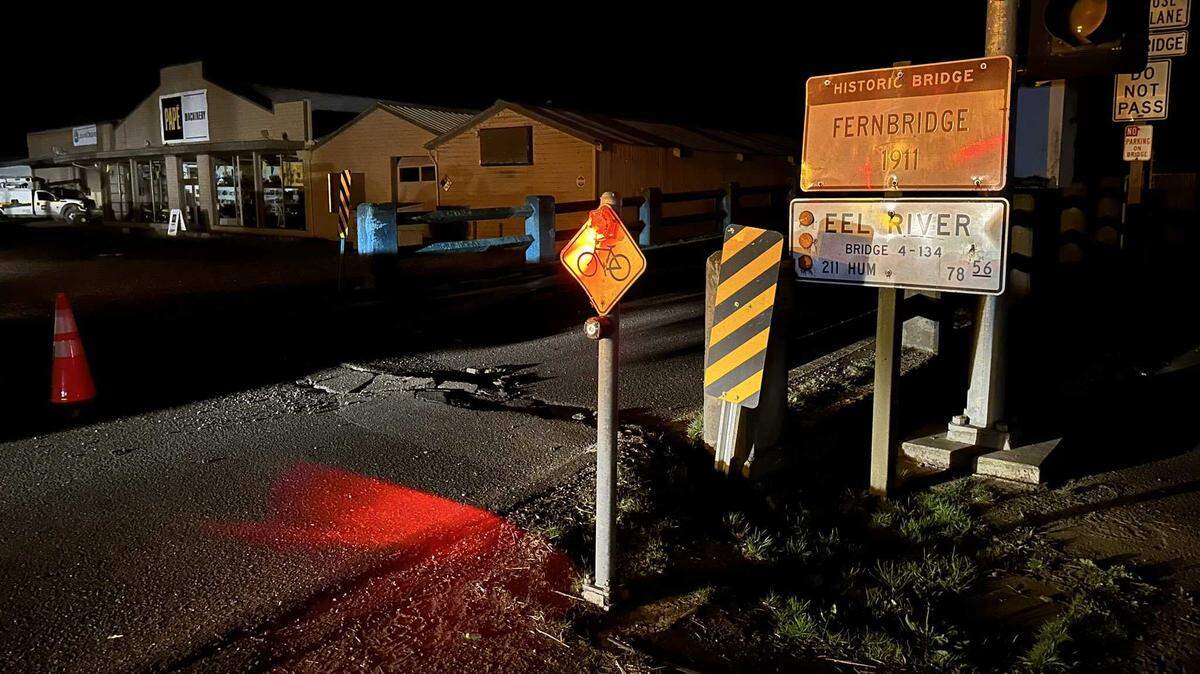
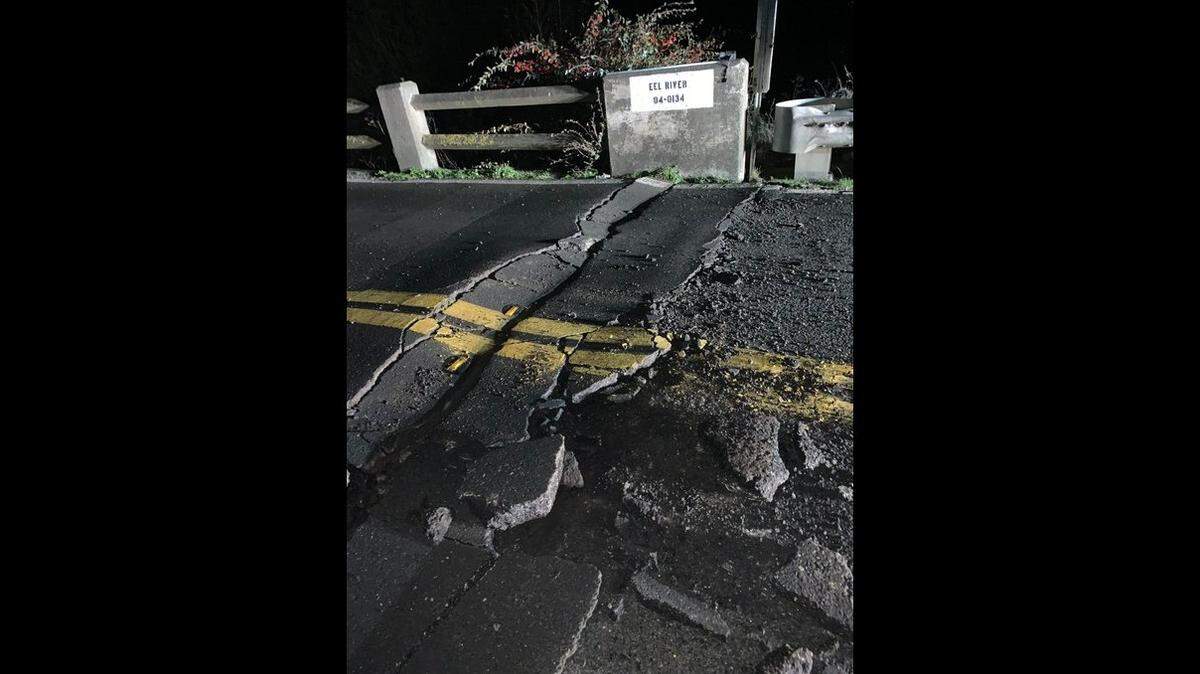
On Tuesday morning, a 6.4-magnitude earthquake rattled Northern California — but just how common are earthquakes of that magnitude and what triggers them in California?
The Bee spoke to seismologist Dr. Julian Lozos, an earthquake physicist and associate professor at California State University Northridge, on California’s shaky history: What triggers an earthquake, how they are measured, what happened in Humboldt County and how common this is.
What triggers an earthquake?
An earthquake is triggered when there is a sudden release of energy which then causes seismic waves and causes the ground to shake.
Lozos refers to earthquakes much like a human when they hold stress. They can have their coping mechanisms but at some point that stress will catch-up and there will be a breaking point.
With earthquakes “the stress comes from plates trying to move and the faults are holding themselves together with friction,” which he says is like a coping mechanism for the fault.
“At a certain point a fault cant take it anymore, it’s not strong enough to withstand all the stress coming from plate and movement and the friction gives way and at that point the fault unzips like a zipper,” Lozos said which creates an earthquake.
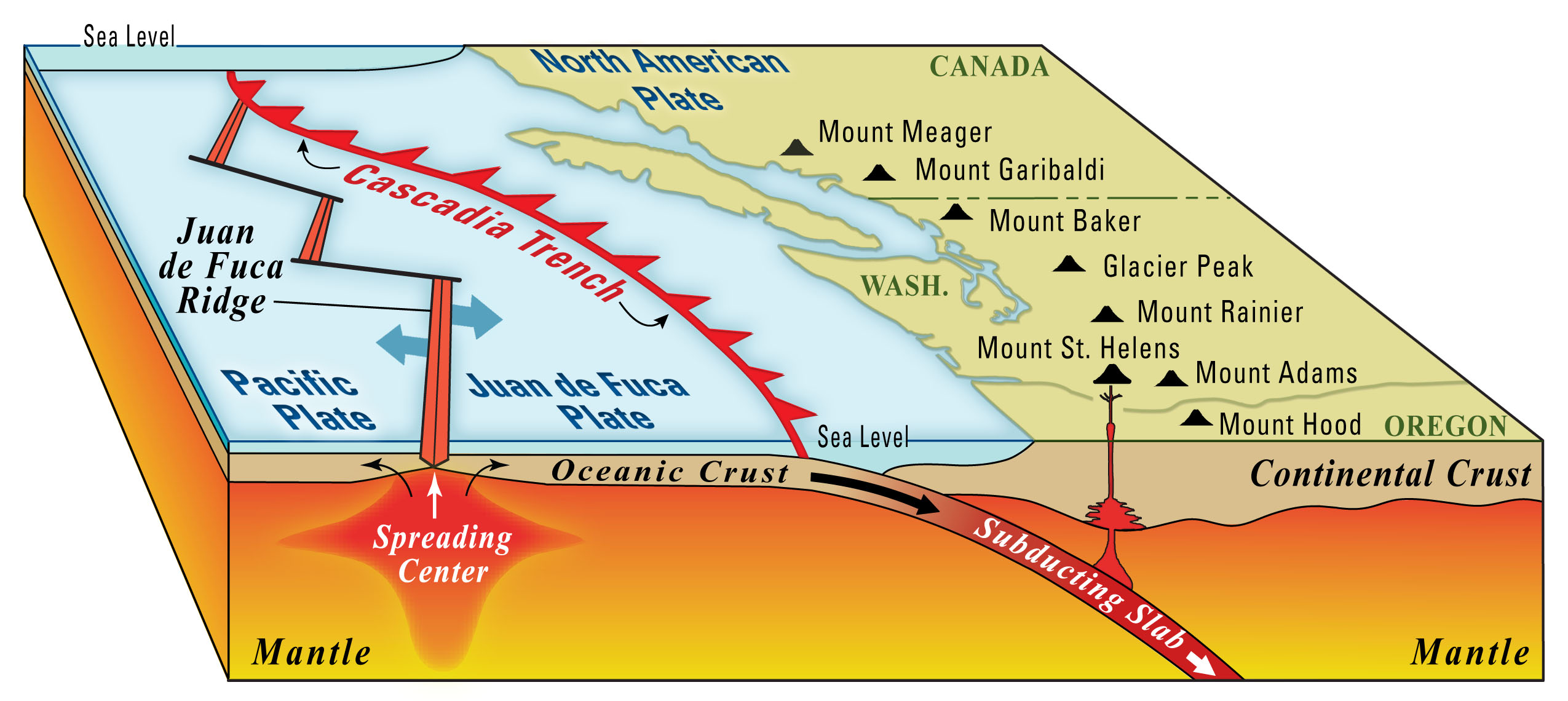
The North American plate, Pacific plate and Juan de Fuca plate were the culprits in Tuesday’s earthquake, triggering the faults to move.
How are earthquake magnitudes measured?
In the United States, the Modified Mercalli (MM) Intensity Scale is used to determine the magnitude of earthquakes.
The scale classifies the intensity and the observed structural damages of an earthquake.

Are earthquakes in Northern California common?
Ferndale — a city near the epicenter of the earthquake three miles off the coast — sits in the Mendocino Triple Junction, which means three plates are coming together in that area.
“The reason of Ferndale has so many earthquakes — it has kind of moderately large earthquakes pretty regularly — because you have those three plates coming together and they’re moving in different directions from each other and they’re just going pretty fast,” said Lozos.
Ferndale also experienced a 6.2 magnitude earthquake a year ago.
Since 1981, there have been 45 earthquakes in the area magnitude 5.9 or greater according to United States Geological Survey.
Earthquakes are common in California and experiencing a 5.9 earthquake is equally as common for a Californian, Lozos said.
“It’s pretty normal to have an earthquake of that size every three to five years in California” Lozos said.
Active faults in California
In California, there are hundreds of active faults, Lozos said.
For a geologist to classify hazardous faults, they must first determine if a fault was active since the last ice age — 11,000 years ago. Once they assess if the fault has been active, they can determine which represent the most hazards.
Sometimes the biggest faults aren’t necessarily the biggest problems.
“Some are really small, some of them are really big,” said Lozos. “But the thing about hazard is that often it’s not necessarily the biggest one that’s the biggest problem so much as the one that is closest to you.”
If you’re curious if your home sits on a fault, the California Department of Conservation has an online map where you can search fault activity throughout California.
Is a 9.0 earthquake possible?
Yes, but the chances of an earthquake of that magnitude happening any time soon are unlikely.
Earthquakes of a 9 magnitude happen every 400 to 600 years, Lozos said. The last one that occurred and was recorded was in 1700.
This story was originally published December 20, 2022 at 1:24 PM with the headline "What triggers an earthquake and how are they measured? A California physicist answers."