‘Another reason to lose sleep’: California fires are growing more intense at night, study shows
READ MORE
Wildfire Risk in California
Click the arrow below for more coverage on the wildfire risks in the Sacramento region and California.
Expand All
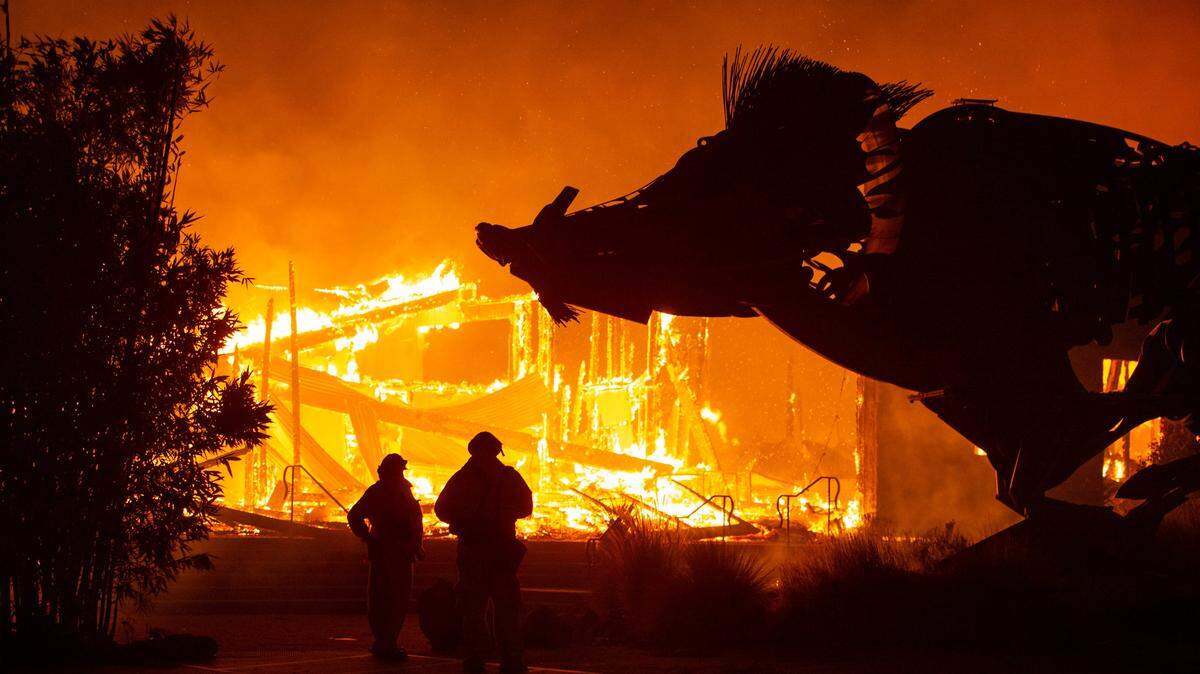
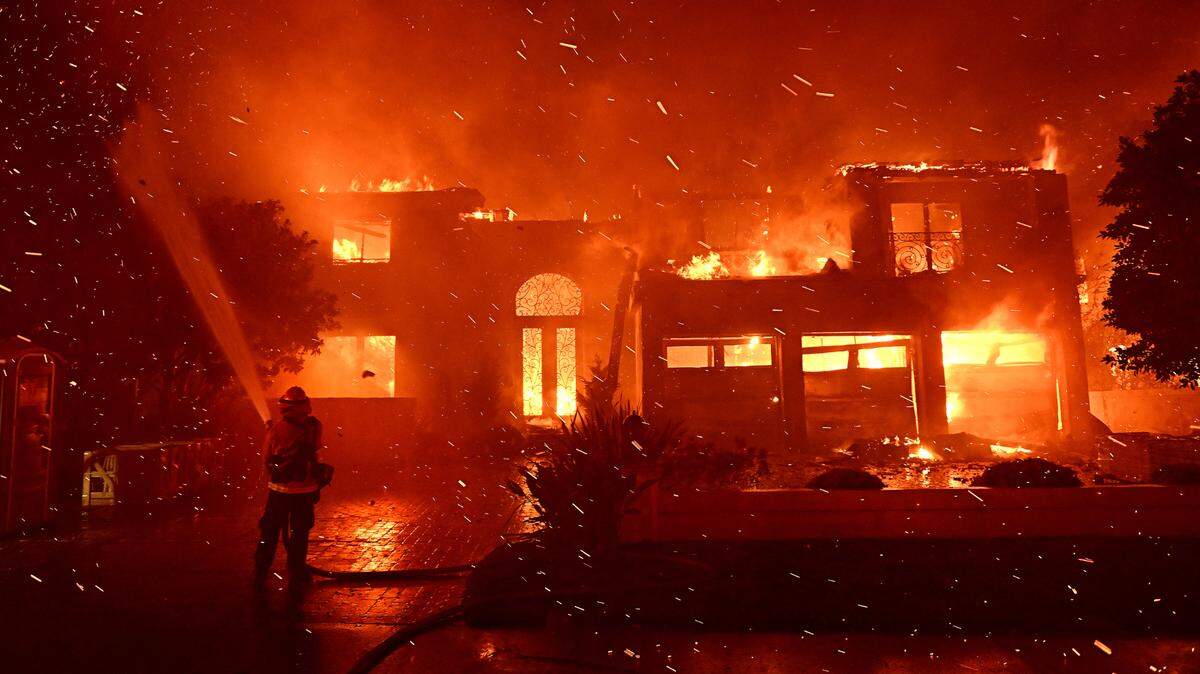
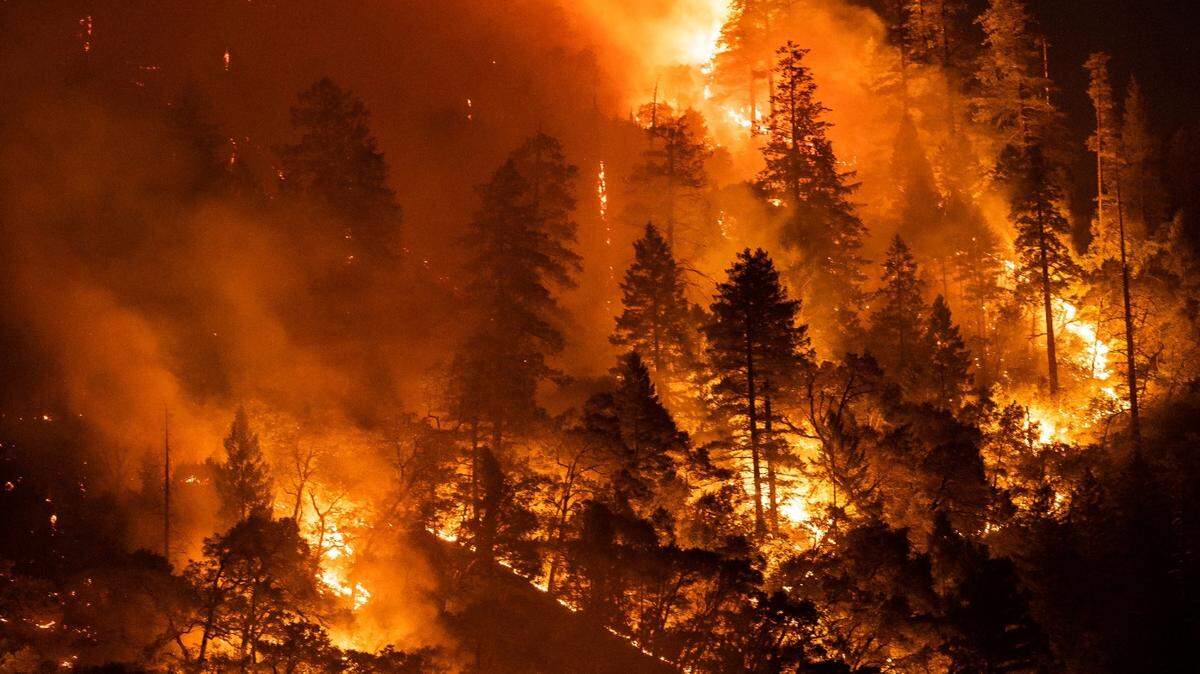
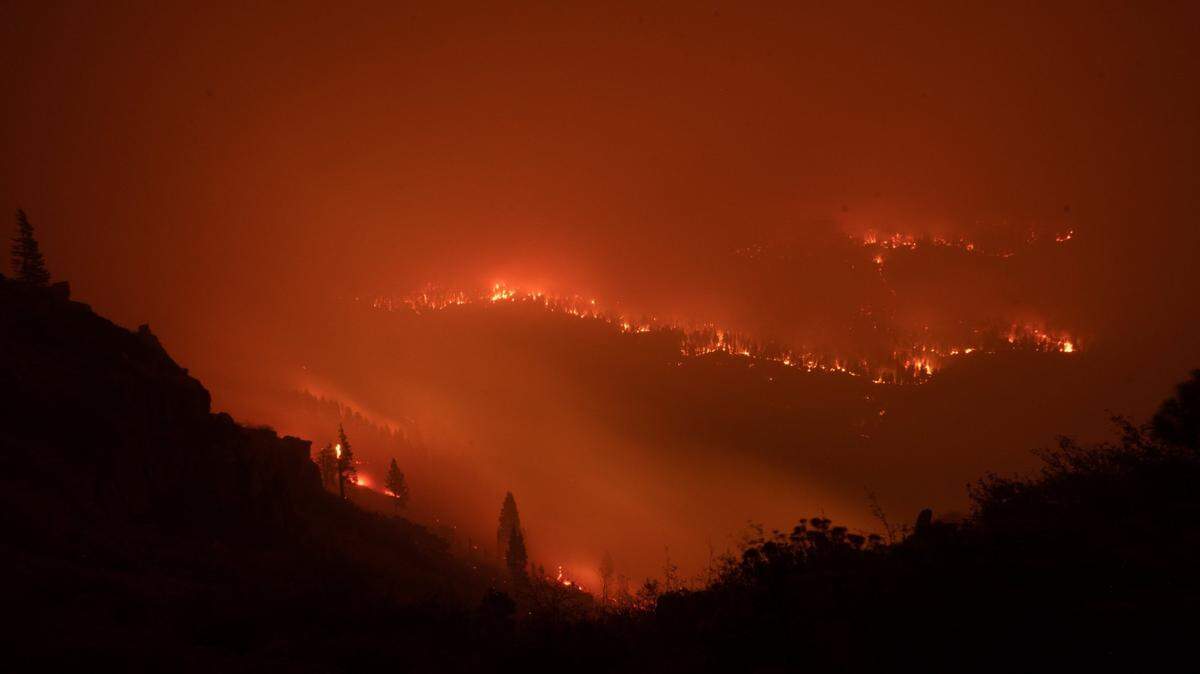
Wildfires grew more intense at night over the past two decades, especially in California and the western United States, as climate change produced hotter, drier conditions during what had traditionally been prime hours for fire suppression.
Night fires grew about 7% more intense worldwide between 2003 and 2020, according to a recent study by climate researchers from University of Colorado, Boulder, and University of California, Merced.
But they’ve grown 28% more intense in the U.S. West over the same period, the researchers determined using satellite and climatological data.
John Abatzoglou, one of the study’s co-authors, said this dramatic increase over the global trend is largely due to ongoing drought and dry fuel conditions persisting in California and the rest of the West, which is itself a product of climate change.
It’s an alarming development, climate experts say.
“This is another reason to lose sleep at night if you’re living near flammable land in California,” Abatzoglou, a professor and climatologist at UC Merced, said in an interview.
Climate scientists calculate differences in air moisture levels using a measurement called vapor-pressure deficit, which is more precise than relative humidity.
The researchers determined that the global daily minimum vapor-pressure deficit increased by 25% between 1979 and 2020, according to the study. That means nights are becoming significantly drier on average.
The climate scientists used vapor-pressure deficit to determine when conditions in a given area were considered flammable.
“Across burnable lands, the annual number of flammable night-time hours … increased by 110 hours (since 1979), allowing five additional nights when flammability never ceases,” the study said.
That’s at the global level.
The study concluded there are now 11 more flammable nights per year than in 1979 across the western United States, a 45% increase for the region.
Though it wasn’t included in the study, Abatzoglou said research from the project indicates California may now be seeing about 18 more flammable nights per year than it did four decades ago.
“It’s just more opportunities for fires to continue burning into the overnight hours,” he said. “That allows them to get an earlier jump-start to daytime burning conditions in subsequent days.”
It’s not a surprise that California’s mammoth wildfires in recent years involved heightened levels of nighttime growth. In daily situation reports for the Dixie Fire, Caldor Fire and other large blazes in 2021, Cal Fire and U.S Forest Service officials frequently wrote that the fires remained active overnight due to poor humidity recovery.
But the recent study highlights just how substantial the increase in nighttime fire behavior has been.
“We just didn’t really have an idea how large of a change it was,” Abatzoglou said. “I’d say it was eye-opening … but it’s sort of hard to shock me at this point.”
The study, titled “Warming weakens the night-time barrier to global fire” and published in the Feb. 16 edition of the scientific journal Nature, was led by the Cooperative Institute for Research in Environmental Sciences Earth Lab at University of California, Boulder.
The study contends that “fire danger is most often assessed based on daytime condition(s), capturing what promotes fire spread rather than what impedes fire.”
“It sort of begets this cycle where fires are sort of losing the brakes,” Abatzoglou said. “The brakes are still there, but they’re fading.”
The researchers wrote that they “expect that continued night-time warming owing to anthropogenic climate change will promote more intense, longer-lasting and larger fires.”
Deadly night fires in recent years
Some of Northern California’s most dangerous and destructive wildfire runs in recent years have come at night or during early morning.
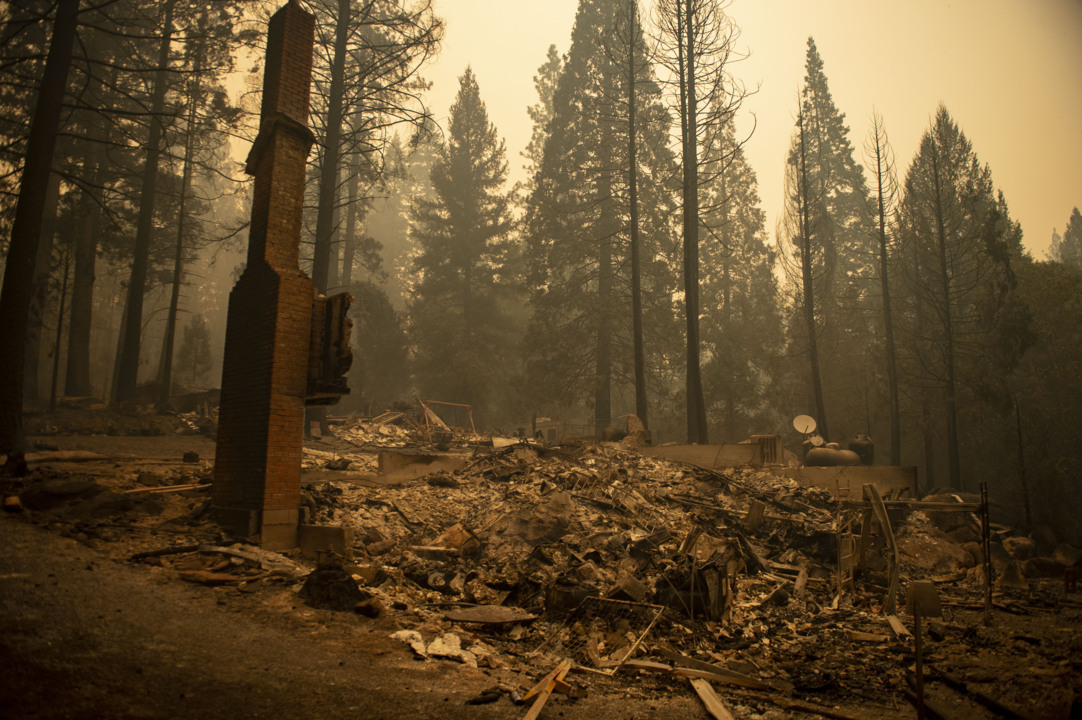
The West Zone of the North Complex Fire, which killed 16 people in the Butte County communities of Berry Creek and Feather Falls in September 2020, erupted into those towns starting around midnight. Mandatory evacuation orders for Grizzly Flats, a town of about 1,000 people leveled by last year’s Caldor Fire, began around 9 p.m. on Aug. 16 and continued late into the night and early the following morning.
There are also fewer resources available after sunset. Last year’s Caldor Fire in El Dorado County marked the first time the U.S. Forest Service and Cal Fire deployed helicopters at night to battle a Northern California wildfire, but those operations remain rare and require specialized training and equipment.
“Fire suppression operations are sort of designed around the idea that fires generally quell at night,” Abatzoglou said. “What we’re seeing in this study is that that is no longer the case.”
This story was originally published February 24, 2022 at 3:00 AM with the headline "‘Another reason to lose sleep’: California fires are growing more intense at night, study shows."

.JPG)