Merced County’s 2020 highs and lows: Keeping hope amid a pandemic’s extreme challenges
The year 2020 will undoubtedly go down in Merced County history as one everyone will certainly remember — but many would rather forget.
It began with the first alarming news of the novel coronavirus in a country thousands of mile away, far from the daily reality of most Mercedians.
But as the virus spread and quickly became a global pandemic, Merced County residents too were impacted in countless ways.
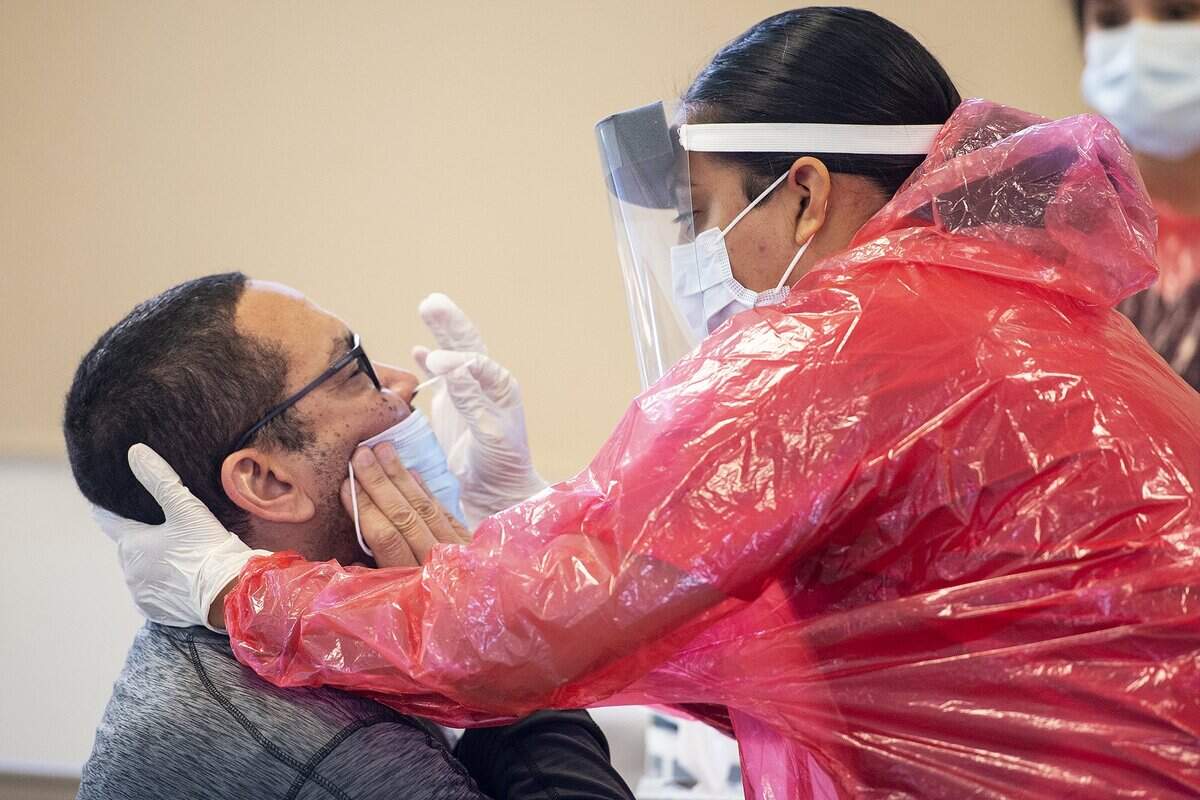
More than 19,000 Merced County residents have tested positive for the virus since March. Of those, 252 known residents died due to COVID-19.
It’s hard to recall any news in 2020 that was not impacted by COVID-19. Still, there were many changes, and many of them were positive. Case in point, the community welcomed new businesses, local activists demanded local and national change, and new leaders were chosen in every corner of Merced County.
From COVID-19 and beyond, here’s a look back at some of Merced County’s biggest stories of 2020.
COVID-19 reaches Merced County
As the extent of COVID-19 became clearer, Merced County residents began 2020 waiting for the inevitable confirmation of the first local case. The news came in March, and cases soon tallied higher each day.
Multiple rounds of state and county-mandated business shutdowns tried to control the highly contagious virus’s spread, but sent disruptive waves throughout the economy.
Some business owners and local leaders alike chafed at the limitations. Most prominently, Sheriff Vern Warnke took a stand against Gov. Gavin Newsom’s lockdown orders via a critical letter to the state. Warnke said in the letter his office would not enforce any rules pertaining to COVID-19 violations committed by businesses.
He later issued another statement reiterating that message, but took a stronger position urging residents to help mitigate COVID-19’s spread.
Students from preschool to the university level at Merced College and UC Merced saw classrooms turned upside down, with a quick pivot to online instruction at the pandemic’s beginning. Some schools were permitted to reopen, and others soon had to close again, as the state of the virus flip-flopped from peak to lull to new peak.
Merced County was marred by a rampant and deadly COVID-19 outbreak at Foster Farm’s Livingston facility — one of the worst workplace outbreaks in California, according to County Public Health officials.
At least 392 Foster Farms employees tested positive for COVID-19 and several died. After multiple rounds of rapid testing and robust precautions, the plant reopened less than two weeks after the outbreak was announced and was cleared from the county’s outbreak list. Another outbreak was reported at the facility in early December.
The most recent COVID-19 news has brought new hope to Merced County. Nine months after its first case was confirmed, the county received an initial round of Pfizer vaccines in December. The doses were allocated to protect Merced County’s frontline workers battling the virus.
Any region with less than 15% of ICUs available is subject to the strict closure order. The rules include ending in-person dining, closing bars and wineries, as well as shutting several other economic sectors.
Merced County economy shaken, but resilient
Even before COVID-19 rattled the economy, flagship businesses left the community.
The Merced Best Buy announced in January that it would close after 17 years in business because a lease agreement couldn’t be reached with the building’s landlord. A spokesperson said the store was resolute to return to Merced by the year’s end.
Later, in December the City of Merced confirmed Best Buy would reopen in a new location next to Planet Fitness on R Street — but not until sometime next year.
J.C. Penney’s Los Banos store was also on the chopping block, and its closure appears permanent. Chapter 11 bankruptcy and COVID-19 were cited as the impetus for closing up to 200 stores across the U.S.
As the scope of the pandemic’s impact began to take hold in the business community, Merced County’s adjusted unemployment launched to an alarming 18.7% in April. That’s about double April 2019’s rate of just under 9%.
Since then, the county has somewhat rebounded — although there’s still a long way to go before the economic situation returns to normal, and there’s much uncertainty in pandemic’s months ahead. The most recent Employment Development Department data showed 9% unemployment in November compared to just under 7% during the same period last year.
While bleak, local unemployment didn’t fare as poorly as some may have feared compared to the state overall — even though Merced County’s joblessness historically tends to double California’s.
Merced County at times boasted lower unemployment than the statewide average. Experts cited the resilient agricultural industry as buoying the local economy.
Highly-awaited restoration projects of downtown Merced gems soldiered on despite the pandemic, too, bringing with them new jobs.
The revamped Mainzer Theater, perched in the heart of Merced’s West Main Street since the 1930s, reopened after more than a decade of closed doors.
The theater’s restaurant was the first of its amenities to open, serving “unapologetically delish comfort food” for brunch and dinner. Dining is currently take-out only due to the most recent COVID-19 business shutdown orders.
The reopening of the historic El Capitan Hotel, also in downtown Merced, is nearing realization as well. An official date for the opening has not been advertised, but the job listings say employees could begin working as soon as January to staff the hotel’s rooms and restaurants.

UC Merced’s billion-dollar expansion complete, plus other milestones
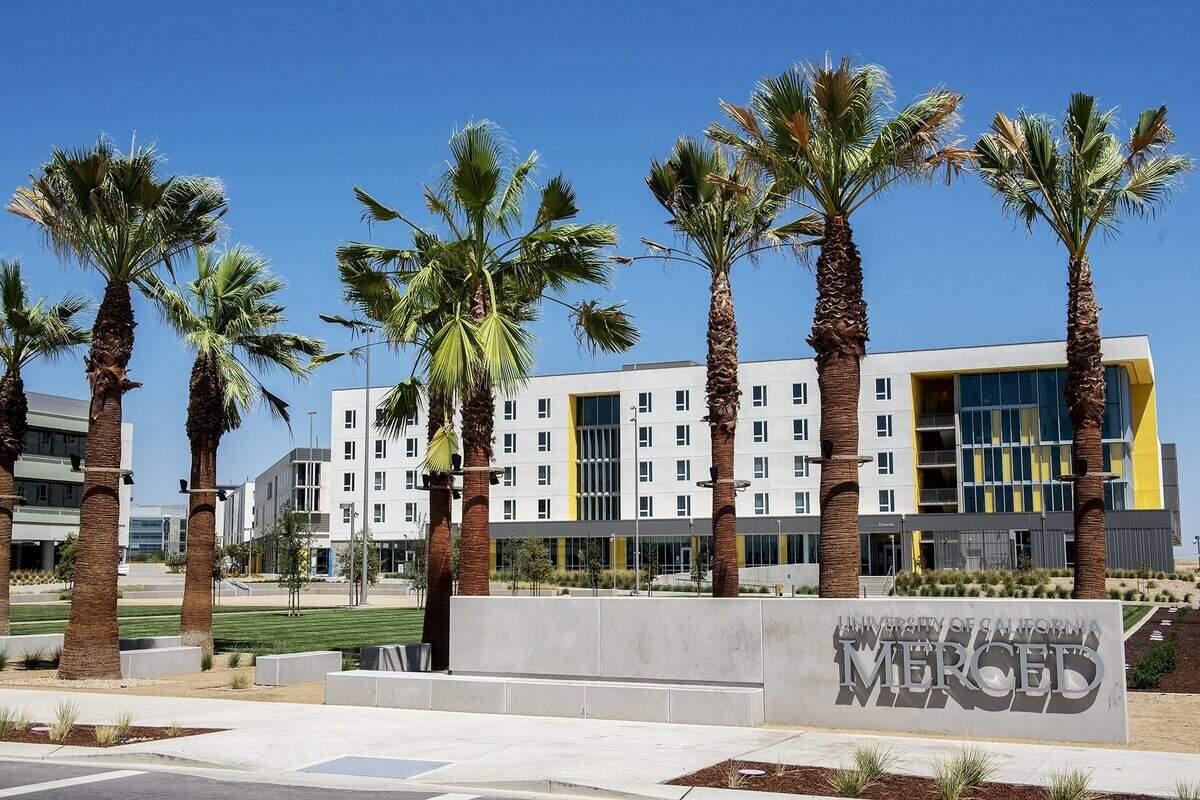
UC Merced’s long-awaited 2020 Project was completed this year after a $1.3 billion investment over four years that doubled the size of the campus and cleared the way for thousands of more students to enroll in the coming years.
California’s youngest university added 13 structures, including an eight-lane competitive swimming pool. There are new classrooms, student wellness, and counseling facilities, student housing, recreational areas, and more space for research, according to a statement from the school.
The project officially broke ground in 2016, and with the additional room will help the university get to its 2030 goal of 15,000 students, Muñoz said. There are about 8,800 currently enrolled at the 15-year-old university.
UC Merced this fall passed 9,000 enrolled students for the first time since its opening in 2005. The news comes at a a time when most U.S. colleges are watching enrollment drop.
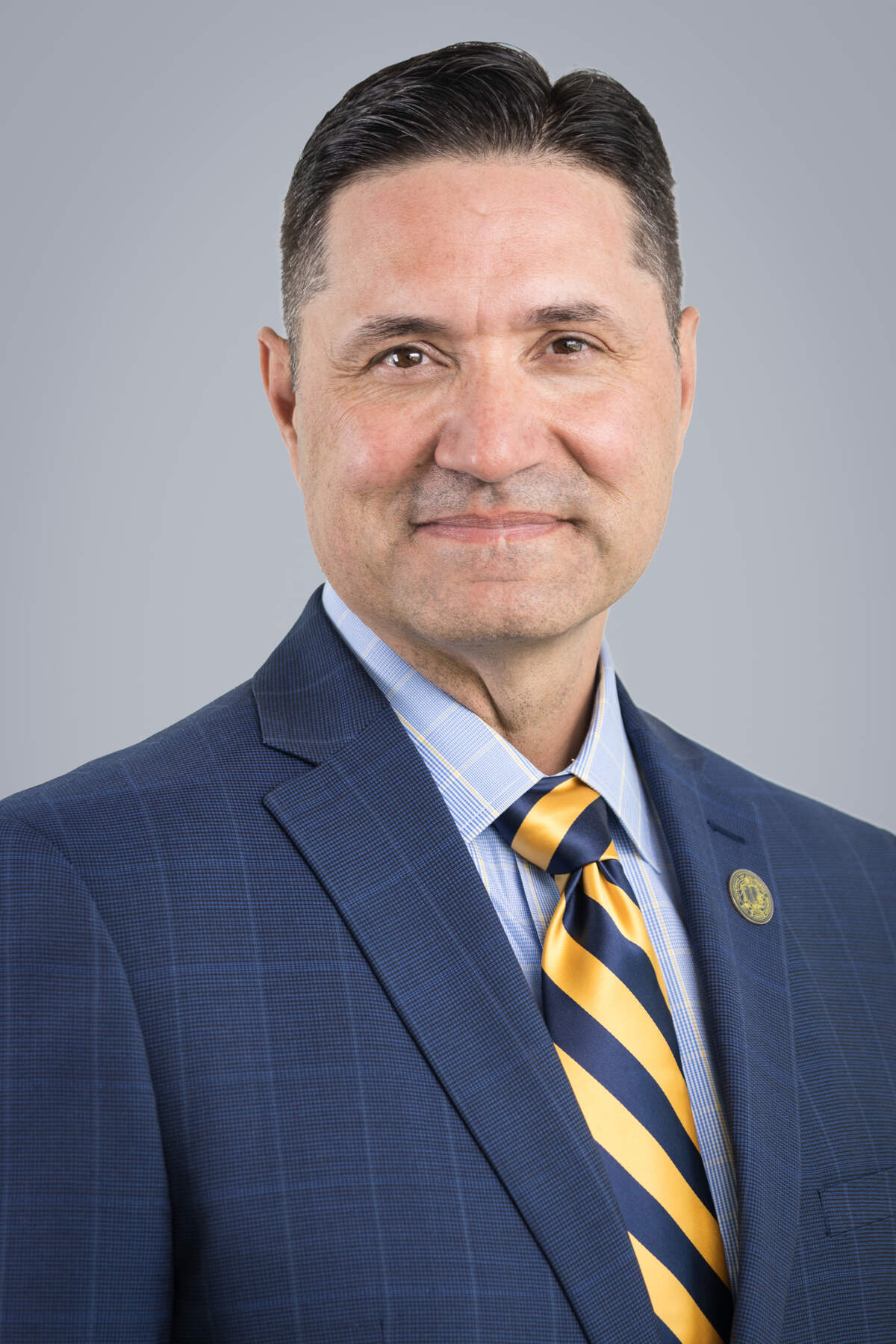
The university also welcomed Juan Sánchez Muñoz as its new chancellor, who was appointed by the UC Regents in May. He served as president of the University of Houston-Downtown since 2017.
Other UC Merced triumphs this year included becoming the first public research university in the country to achieve carbon neutrality — two years ahead of its goal. The university earlier this year also further solidified long-term plans for a San Joaquin Valley medical program.
With Merced offering more attractive amenities, a recent California Department of Finance report showed the county ranked fifth in the for the highest percent increase in population between July 2019-20.
Merced County joins in nationwide protests
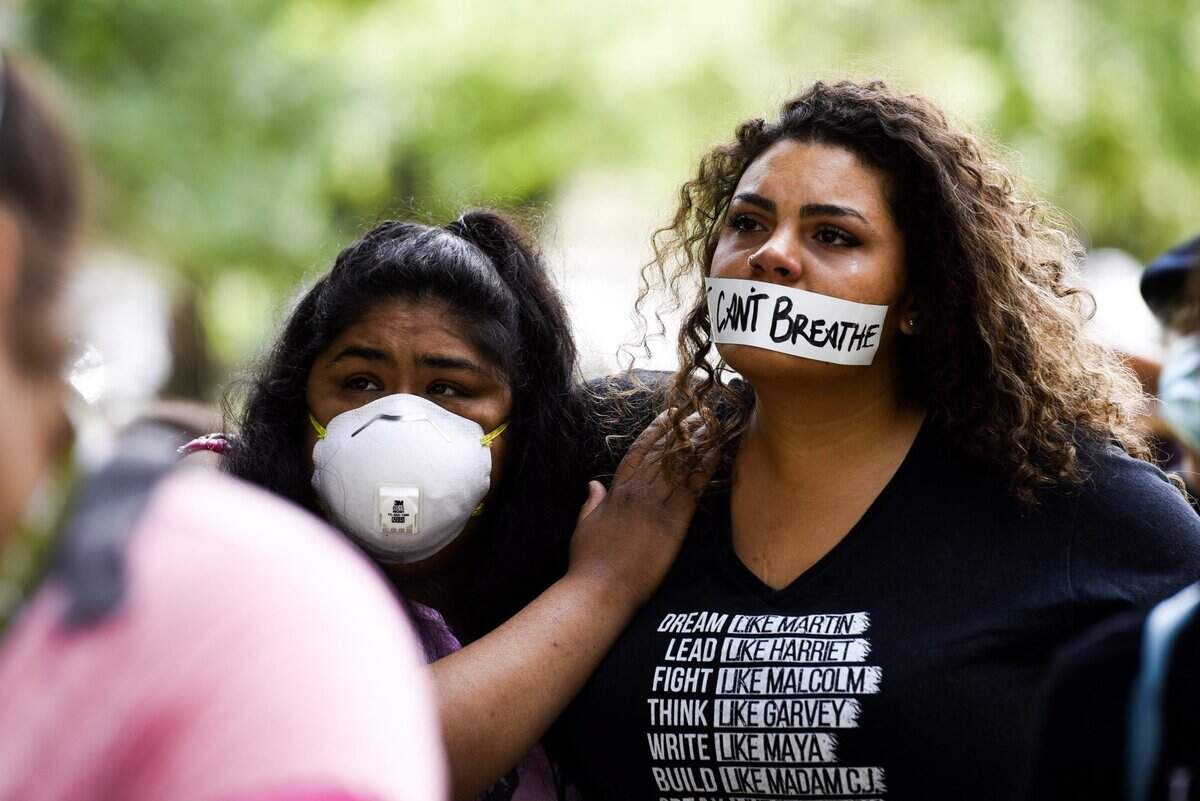
The killing of Black Americans like George Floyd, who died after an officer pinned him to the ground with a knee to the back of the neck, reignited protests against police use of force across the nation this year.
Merced County was no exception. Some residents took to the streets to voice their anger and pain toward a justice system they see as unjust, while others marched in solidarity with police officers. Some saw merit in each side’s cause.
Most protests, like those in Merced and Atwater, were largely peaceful — albeit tense — as opposing groups confronted each other.
There were some isolated exceptions. A confrontation caught on camera in Gustine showed a physical scuffle between two men — one supporting Black Lives Matter and the other endorsing Blue Lives Matter messages.
Police were called and a report was forwarded to the Merced County District Attorney’s Office. No arrests were reported at the time.
The City of Merced answered local calls for change by forming a community advisory committee to review the police department’s use-of-force policies and recommend revisions if needed. After meeting for two months and inspecting 17 police procedures, the committee found no need to change the department’s existing policies.
Merced City Council also considered a proposed Black Lives Matter street mural in downtown Merced. But after receiving 82 voicemails and 115 emails largely in opposition to the project, the council rejected the project on account of it being too politically charged.
The backers of the original mural said they would move forward with a project without the city’s involvement. The city is also working on alternative projects aimed at cultural inclusion that officials believe will be more widely accepted by the public.
Atwater makes waves
The City of Atwater this year made headlines not just locally, but across the state with its bold stance against Gov. Newsom’s COVID-19 restrictions. City Council in May unanimously voted to declare Atwater a sanctuary city for small businesses to reopen during the pandemic.
The defiant resolution drew both praise and criticism while the city remained resolute with its position. But the decision soon incurred consequences, as the state cut off Atwater from its $389,000 in Coronavirus Relief Fund dollars.
City leaders called the state’s withholding of the funds “criminal.”
Atwater’s finances also made news this year when the city accomplished a longtime priority of becoming debt-free by paying off its debts nine years ahead of schedule.
City leadership celebrated the triumph as a mark of the City Council trading the excesses of past councils for fiscally responsible choices, leadership said.
Once notorious for its economic issues and on the brink of bankruptcy, the feat positioned the city’s general fund to begin bolstering public safety, parks and recreation and other programs, as intended.
The city also passed a balanced budget for just the second year in a row, following an eight-year streak of living in the red. City leaders noted at the time that other budgets were not as fortunate, like the eight occupied jobs cut at the county level to trim expenses after economic stress from the pandemic.
Residents vote for new leaders
Two elections shook up Merced County leadership this year in spring and fall.
March’s primary election favored existing County Board of Supervisors, with the exception of a runoff for District 2 between incumbent Lee Lor and former Merced City Council member Josh Pedrozo.
The newcomer ultimately claimed victory in November’s general election as Pedrozo raked in more than 53% of votes.
The county leaned blue during the presidential election with over 53% of votes cast for President-elect Joe Biden. President Donald Trump claimed about 43% of votes.
Merced and Los Banos each voted this November to pass the torch of city leadership to a new top elected. Merced Mayor Matthew Serratto and Los Banos Mayor Tom Faria began their first terms guiding the cities amid unprecedented circumstances.
In Livingston, Juan Aguilar Jr. unseated incumbent Gurpal S. Samra.